Preparing For Increasing Care Needs
Preparing For Increasing Care Needs
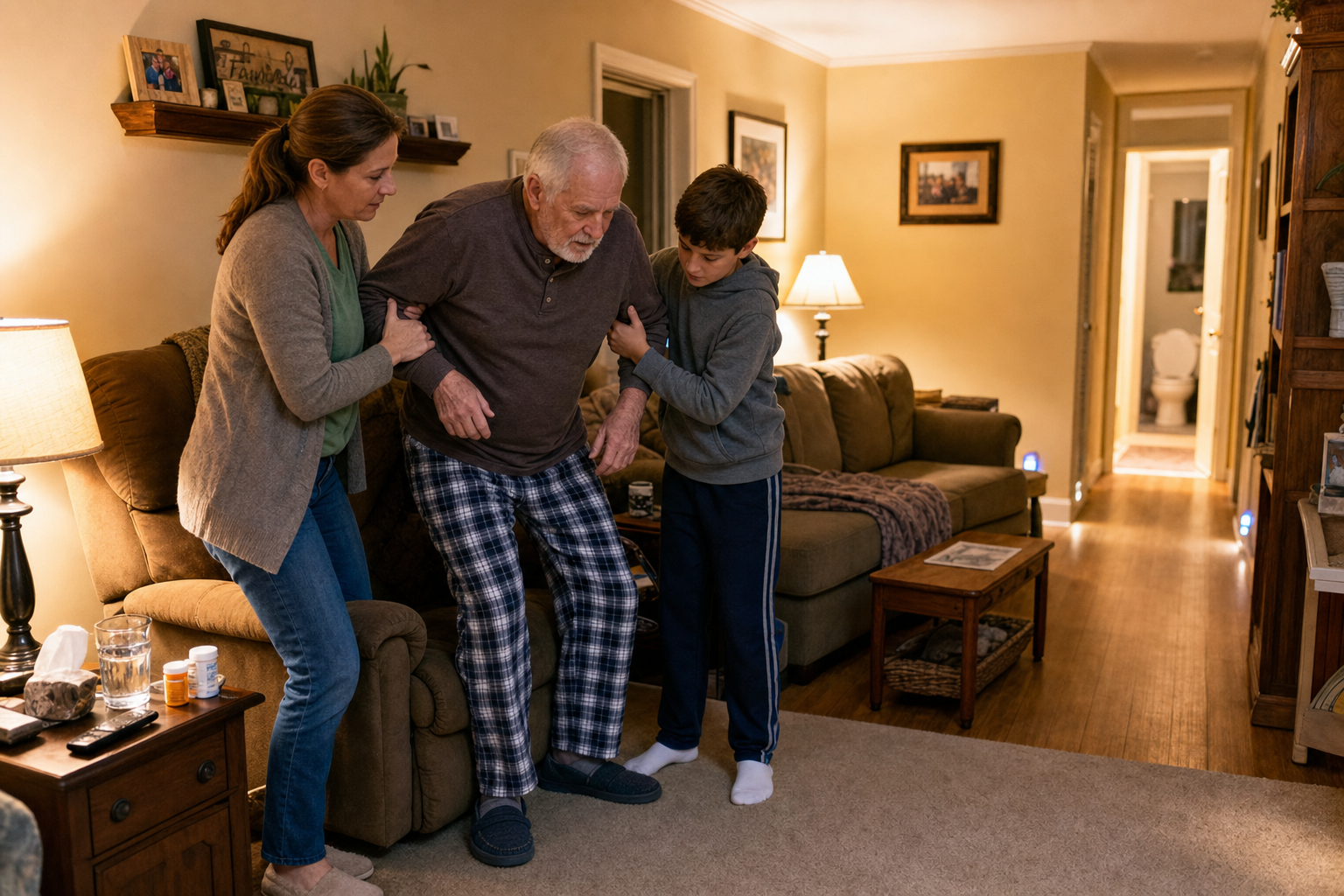
Preparing For Increasing Care Needs usually begins with small changes that slowly become impossible to ignore. A parent may start needing help getting out of a chair, avoid stairs more often, forget medications, or struggle to carry meals safely across the house. Many families adapt quietly for months before realizing daily life has become physically difficult and emotionally exhausting.
Problems often become obvious after a fall, illness, hospitalization, or frightening close call. A home that once worked reasonably well can suddenly feel unsafe, cluttered, tiring, or difficult to manage. Preparing For Increasing Care Needs early allows families to make calmer decisions before exhaustion and panic take over.
Most useful changes are practical and affordable. Better lighting, safer furniture placement, simplified routines, easier walking paths, and reduced physical strain can make daily life more manageable for everyone involved. The goal is not turning the home into a medical facility. The goal is keeping ordinary life workable as care needs gradually increase.
Preparing For Increasing Care Needs Before A Crisis
Preparing For Increasing Care Needs works best before the household reaches emergency conditions. Waiting until someone falls, wanders outside, becomes too weak to stand, or returns home from the hospital often creates rushed decisions and unnecessary stress.
Many warning signs appear gradually:
- Holding onto furniture while walking
- Sleeping in a recliner instead of using the bed
- Leaving laundry on stairs
- Wearing the same clothing repeatedly
- Skipping showers because entering the tub feels difficult
- Eating simpler meals because cooking feels exhausting
- Avoiding parts of the house that require extra effort
Families often normalize these changes because they happen slowly. Someone may still speak clearly and appear socially normal while struggling badly with daily movement inside the home.
Pay attention to physical patterns instead of verbal reassurances. If someone regularly pauses halfway across a room, uses walls for support, or avoids carrying objects, the environment probably needs adjustment.
Preparing For Increasing Care Needs also means recognizing caregiver fatigue early. Constant lifting, supervision, nighttime interruptions, and repeated physical assistance wear people down over time even when they care deeply about the person involved.
When conditions become clearly unsafe or unsustainable, many caregivers start second-guessing every earlier decision. That inner voice is often not very helpful. Practical decisions are usually better when approached as calmly and objectively as possible.
Reducing Physical Strain During Daily Movement
Daily movement inside the home becomes increasingly important as strength, balance, and endurance decline. Many falls and near-falls happen during ordinary activities rather than dramatic accidents.
Focus first on walking paths.
Clear routes should allow someone to move without weaving around furniture, baskets, cords, or decorative objects. A hallway that feels normal to a healthy adult may feel dangerously narrow to someone using a walker or shuffling slowly at night.
Common problem areas include:
- Small tables near recliners
- Pet bowls in traffic areas
- Loose rugs
- Extension cords
- Laundry baskets left on floors
- Narrow paths between furniture
- Poor nighttime lighting
Furniture used for support should remain stable. Lightweight folding chairs and rolling carts are unreliable when grabbed suddenly during a loss of balance.
Preparing For Increasing Care Needs often involves reducing unnecessary carrying. Repeated trips with laundry, meals, or supplies become exhausting surprisingly quickly. Keeping commonly used items closer to where they are needed can reduce both fatigue and fall risk.
Preparing For Increasing Care Needs With Better Room Layouts
Preparing For Increasing Care Needs sometimes requires changing how rooms are used. Many families resist this because it feels emotionally uncomfortable, but practical layouts often matter more than preserving the original purpose of a room.
My father became very angry after I moved the dining room furniture to the main level of the house. It had been in a room that was down a short stairway. It was a serious risk factor yet he was very angry. I believe he felt it was a loss of control. I moved the furniture without a discussion.
A downstairs office may eventually become a bedroom. A dining room corner may hold mobility equipment. A favorite chair may need to move closer to a bathroom or brighter lighting source.
These changes do not mean the household has failed. They usually mean the household is adapting realistically.
Look for opportunities to reduce difficult movement patterns:
- Limit repeated stair use
- Reduce long nighttime walks
- Move important items closer together
- Create wider walking paths
- Keep stable seating nearby
- Improve visibility in commonly used areas
Low furniture often becomes harder to use over time. Deep couches and soft recliners may feel comfortable initially but become difficult to stand from safely.
Many households also benefit from creating predictable resting points. Someone with limited endurance may move more safely when sturdy seating is available along longer walking routes inside the home.
Preparing For Increasing Care Needs is usually easier when changes happen gradually instead of all at once after an emergency.
Improving Lighting And Visibility Throughout The Home
Poor lighting quietly increases risk throughout the house. Many people adapt to dim conditions gradually and do not realize how difficult certain areas have become until a fall or near-fall occurs.
Good lighting matters especially in:
- Hallways
- Bathrooms
- Stair areas
- Entryways
- Bedside walking paths
- Kitchens used early in the morning or late at night
Preparing For Increasing Care Needs should include evaluating how the home looks after dark, not just during daylight hours.
Nighttime problems often develop because someone tries to avoid turning on lights. They may worry about disturbing others, feel confident they already know the route, or simply underestimate how unstable they have become.
Simple improvements help considerably:
- Brighter bulbs
- Plug-in nightlights
- Lamps positioned closer to chairs
- Light switches within easy reach
- Reduced glare
- Clear pathways without dark obstacles
Visibility also includes object placement. Important items should remain easy to see and reach. Constant searching for medications, glasses, hearing aids, or mobility devices increases frustration and unnecessary movement.
Home Lighting Safety For Seniors
Managing Bathroom And Bedtime Challenges Safely
Preparing For Increasing Care Needs becomes especially important around bedtime and bathroom routines. Fatigue, darkness, urgency, and reduced balance combine to create high-risk situations.
Many older adults become noticeably weaker at night. Walking speed slows, balance worsens, and decision-making may become less reliable after exhaustion sets in.
Reducing nighttime strain often helps more than people expect.
Possible adjustments include:
- Moving the bedroom closer to the bathroom
- Removing rugs near the bed
- Improving hallway lighting
- Keeping mobility aids within reach
- Raising low beds slightly
- Reducing clutter around nighttime walking paths
Some families eventually choose practical solutions they once resisted. A bedside commode, for example, may dramatically reduce dangerous nighttime walking.
These decisions are rarely emotionally simple. People often associate household changes with loss of independence even when the changes actually help preserve independence longer.
Preparing For Increasing Care Needs sometimes means accepting workable compromises instead of trying to preserve every old routine unchanged.
Using A Bedside Commode Safely At Home
Handling Transfers And Physical Assistance More Carefully
Transfers become one of the most physically demanding parts of caregiving as care needs increase. Many injuries happen during rushed attempts to help someone stand, pivot, or recover from a loss of balance.
Common high-risk situations include:
- Toilet transfers
- Entering showers
- Standing from low chairs
- Getting into vehicles
- Recovering after slips
- Moving in and out of bed
Avoid hurried pulling or twisting. Many older adults have weak joints, arthritis, fragile bones, or limited balance reactions. A sudden movement can injure both people.
Instead:
- Allow extra time
- Encourage slow standing
- Keep feet stable before movement
- Remove obstacles beforehand
- Use sturdy support surfaces
- Avoid awkward reaching angles
Fatigue changes transfer safety significantly. Someone who manages adequately in the morning may become extremely unstable later in the day.
Preparing For Increasing Care Needs also means recognizing physical limits honestly. Caregivers sometimes continue unsafe lifting patterns because they feel responsible for handling everything themselves. Eventually exhaustion, back strain, or injury catches up.
The CDC provides practical information on reducing fall risks and improving safety for older adults at home.
Creating Predictable Daily Routines
Predictable routines reduce confusion, physical strain, and household stress. Constant improvisation wears people down surprisingly fast.
Preparing For Increasing Care Needs usually becomes easier when daily activities follow simple repeatable patterns.
Helpful examples include:
- Consistent meal times
- Medications stored in one visible location
- Regular hydration reminders
- Stable furniture placement
- Predictable walking routes
- Evening lighting routines
- Designated places for important items
The goal is reducing unnecessary effort and confusion.
A household does not need to look perfect to function well. Many successful caregiving homes look ordinary, slightly crowded, and heavily used. What matters is whether movement remains manageable and predictable.
Repeated searching creates frustration and fatigue. If glasses, medications, walkers, hearing aids, or phones constantly disappear under clutter, daily stress increases quickly.
Some people experiencing cognitive decline also become overwhelmed when routines change too often. Familiar placement and repetition may help reduce agitation and wandering behavior.
Preparing For Increasing Care Needs works better when the environment supports memory and routine instead of constantly fighting against them.
Signs Dementia Care At Home Is Becoming Unsafe
Maintaining Independence Through Practical Adaptation
Preparing For Increasing Care Needs is ultimately about preserving workable independence as long as realistically possible. That usually depends less on expensive remodeling and more on reducing unnecessary physical strain throughout the home.
Small adjustments often produce meaningful improvements:
- Better lighting
- Safer walking paths
- Stable seating
- Reduced clutter
- Simpler routines
- Easier bathroom access
- Less carrying
- More predictable room layouts
Some days will still feel difficult. Caregiving decisions are often made while people are tired, uncertain, frustrated, or short on time. Families rarely receive perfect warning before needs increase.
Preparing gradually allows the household to adapt before problems become overwhelming. A calmer environment with simpler movement patterns can reduce stress for both the older adult and the caregiver.
Most families are not trying to create an idealized living arrangement. They are trying to keep daily life workable, safe, and reasonably stable while preserving as much independence as possible.
Here is a list of links for further guidance:
Assessment And Decision Making
- Aging in Place Home Safety Assessment
- Senior Home Safety Checklist
- How Adult Children Can Assess The Home of Aging Parents
- How To Prepare For Cognitive Decline
- Signs an Older Adult Should Not Live Alone
- When Aging in Place Is No Longer Safe
- Fall Risk Assessment For Seniors
Planning And Preparation
- Planning For Aging in Place
- Aging in Place Financial Planning
- Aging in Place on a Budget
- Housing Choices For Later In Life
- Transportation Options After Driving
- Emergency Preparedness For Seniors
- Emergency Preparedness For Seniors At Home
Home Modification Strategies
- Home Modifications For Aging in Place
- Low-Cost Home Modifications For Seniors
- How to Make a Home Safer Without Remodeling
- How to Make Stairs Safer For Seniors Without Remodeling
Room-By-Room Safety
- Bathroom Safety For Seniors
- Bedroom Safety For Seniors
- Kitchen Safety For Seniors
- Entryway Safety For Seniors
- Stair Safety For Seniors
- Small Bathroom Safety For Seniors
- Small Bedroom Safety For Seniors
Home Environment
- Flooring Safety For Seniors
- Furniture Safety For Seniors
- Safe Furniture Layout For Seniors
- Home Lighting Safety For Seniors
- Senior Vision Changes and Home Safety
Mobility And Accessibility
- Cane Safety For Seniors
- Walker Safety At Home
- Wheelchair Safety At Home
- Mobility Aids For Seniors
- Daily Living Aids For Seniors
- Bathroom Grab Bar Placement
Family And Independence
© 2026 Mark Fomenko. All rights reserved.
AgingInPlaceResource.com
Privacy Policy | Terms of Use | Disclaimer | Contact | Newsletter
Recent Articles


-
Aging In Place Resource Library
Sep 04, 26 08:30 AM
Aging In Place Resource Library -
Aging in Place Resource Newsletter
Aug 30, 26 11:16 AM
Aging in Place Resource Newsletter -
Aging in Place Resource: Simple Strategies for Living Safely at Home
Jul 28, 26 12:43 PM
 Aging in Place Resource provides practical guidance for aging in place. Learn how to live safely and independently at home with strategies for home safety, caregiving, planning, and long-term support.