Fall Risks In Small Homes
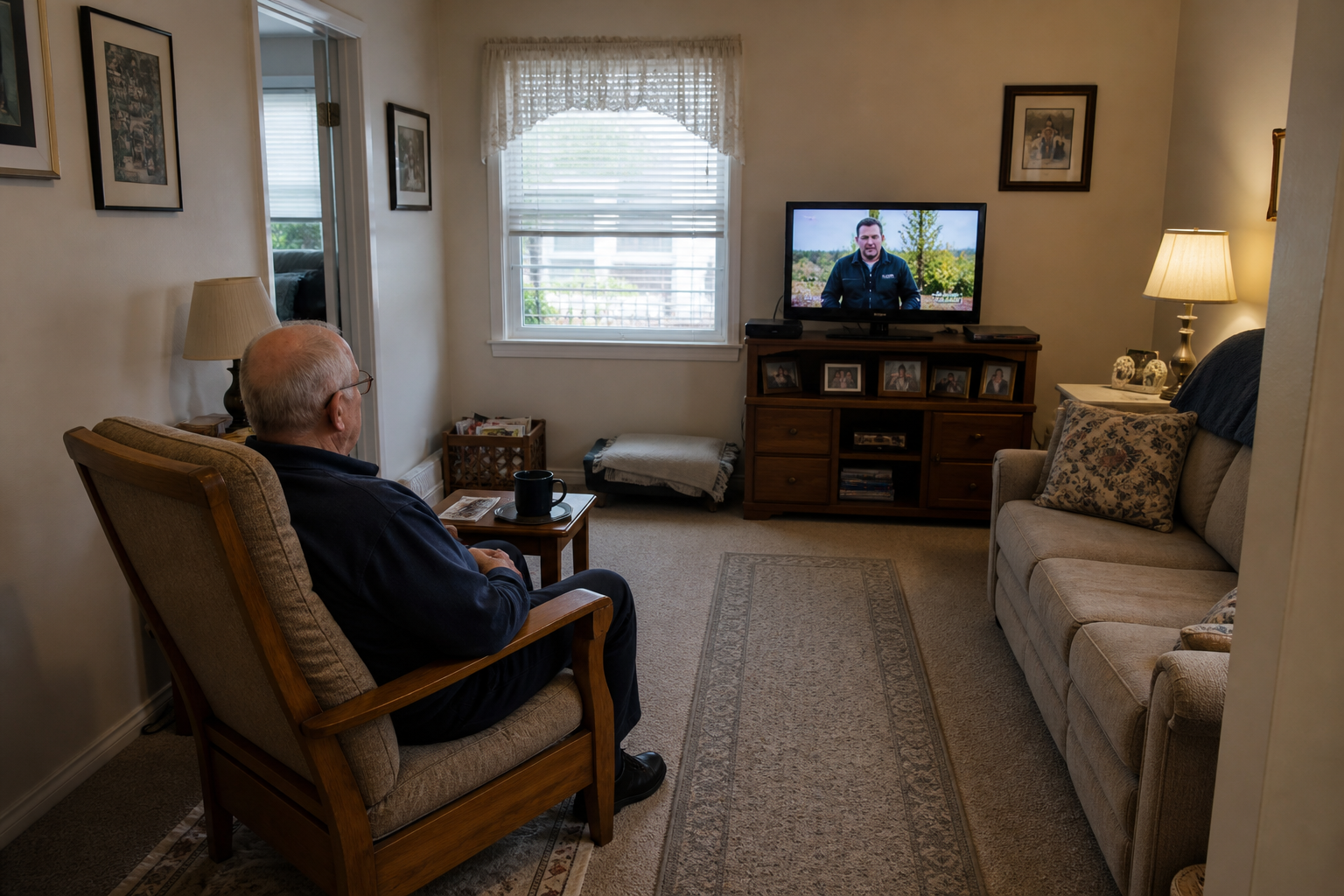
Fall Risks in Small Homes often come from limited space, not obvious danger. A small home may feel easy to manage because everything is close by, but tight rooms, narrow walking paths, crowded furniture, and poor storage can make everyday movement less predictable.
The problem is usually not one single hazard. It is the way several small problems combine. A chair is slightly too close to a table. A laundry basket sits in the hallway. A cord crosses a walking path. A person turns sideways to get through a tight spot while carrying a cup of coffee. That is where fall risk increases.
Small homes can still work very well for aging in place. The goal is not to make the home look empty or clinical. The goal is to make walking, turning, reaching, sitting, and standing easier to do every day.
Why Fall Risks In Small Homes Are Easy To Miss
Fall Risks In Small Homes are often overlooked because the space feels familiar. A person may know every corner of the home and still trip over something that has been in the same place for years.
Familiarity can hide risk. People step around the same obstacle so often that it becomes normal. They squeeze past a coffee table, angle around a recliner, or reach over cluttered counters without thinking about it. Those movements may be fine for years. Then balance, vision, strength, or reaction time changes slightly.
Small homes also have less margin for error. In a larger room, a person may have space to recover from a stumble. In a tight room, a hip may hit a table, a foot may catch a rug, or a hand may not reach a steady surface in time.
Watch for daily movement patterns, not just obvious hazards. Notice where someone:
- Turns sideways to pass through
- Steps over items on the floor
- Uses furniture for balance
- Bumps into corners
- Carries objects through narrow spaces
- Avoids certain areas because they feel awkward
These are useful clues. They show where the home is asking the person to adapt too much.
Clear Walking Paths In Small Homes
A clear walking path matters more in a small home because every inch is used more often. The safest path is usually the simplest path. It should let a person walk forward without twisting, shuffling sideways, or stepping around loose items.
Start with the routes used most often. These usually include the path from the bed to the bathroom, the path from the main chair to the kitchen, and the path from the entry door to the living area.
A good walking path should be wide enough for normal steps. It should also allow room for a cane, walker, laundry basket, or grocery bag if those are part of daily life. The path does not need to be perfect. It does need to be predictable.
Common small-home problems include:
- Shoes near the door
- Pet bowls in walking areas
- Small tables placed too close to chairs
- Magazine baskets beside recliners
- Laundry baskets left in halls
- Extension cords across the open floor
- Decorative items on low stands
The fix is usually simple. Move items to the edges of the room. Remove furniture that is rarely used. Choose one clear route and protect it from daily clutter.
Furniture Placement That Reduces Fall Risks In Small Homes
Furniture placement is one of the biggest causes of Fall Risks In Small Homes. The issue is not whether furniture is attractive or expensive. The issue is whether it supports safe movement.
A small home often collects furniture that once made sense but no longer fits the way the person moves. Extra chairs, small tables, storage ottomans, plant stands, and footstools can quietly shrink the walking space.
The most important question is practical: Can someone stand up, turn, and walk away without bumping into anything?
Chairs should have enough space around them for a clean standing motion. A person should not have to push off, twist, and immediately dodge a table. Recliners need special attention because they often sit close to side tables, cords, blankets, and footrests.
Coffee tables are another common problem. In a small living room, a coffee table may force people to walk in a curved path. A narrower table, a round table, or no coffee table at all may be safer.
Look for furniture that causes awkward movement:
- A table that requires sidestepping
- A chair that blocks a doorway
- A footstool that moves when bumped
- A storage piece placed at knee height
- A low bench near a walking path
- A plant stand near a turn
The best small-home layout often has fewer pieces, not smaller versions of every piece. Fewer obstacles usually matter more than matching furniture.
Lighting And Visibility In Tight Spaces
Poor lighting makes Fall Risks In Small Homes worse because tight spaces already require more precise movement. A person needs to see edges, corners, floor changes, pet toys, cords, and dropped items before stepping.
Small homes sometimes have shadowed corners because furniture, shelves, or curtains block light. A hallway may look fine during the day, but become risky at night. A living room may have one bright lamp near a chair, but poor light near the walking path.
Lighting should support movement, not just mood. Soft lighting may be pleasant, but walking areas need enough light to show the floor clearly.
Useful lighting improvements include:
- Plug-in night lights
- Motion-sensor lights
- Brighter bulbs where safe for the fixture
- Lamps placed near walking routes
- Light switches that are easy to reach
- Open curtains during the day
- Removing objects that block light
Glare also matters. Shiny floors, glass tables, and bright light aimed at the eyes can make depth harder to judge. The goal is even, useful lighting that shows where the floor begins and ends.
Home Lighting Safety For Seniors
Floor Surfaces, Rugs, And Small Changes In Height
Small homes often have several floor surfaces close together. A few steps may take someone from carpet to vinyl, from a rug to tile, or across a raised threshold. These changes can create tripping points, especially when space is tight.
Loose rugs are a major concern. In a small room, a rug may seem harmless because people know where it is. But rug corners curl, edges lift, and backing wears down. A foot, a cane, a walker, or a slipper can catch on the edge.
Rugs are not automatically unsafe, but they must stay flat and stable. If a rug slides, bunches, curls, or creates a raised edge, it should be removed or replaced.
Pay attention to:
- Rug corners
- Bathmats
- Door thresholds
- Floor transitions
- Uneven vinyl
- Frayed carpet edges
- Raised mats near sinks
- Small step-ups between rooms
A small change in height can be easy to miss when someone is tired, distracted, or carrying something. Marking an edge with better contrast may help. Removing the obstacle is better when possible.
Storage Habits That Keep Small Homes Safer
Storage habits can either reduce or increase Fall Risks In Small Homes. When storage is limited, everyday items tend to land on chairs, floors, counters, and stairs. That creates clutter in the exact places people need to move.
The solution is not perfect organization. The solution is giving important items a predictable place that does not block movement.
Items used every day should be easy to reach without bending deeply, climbing, or stretching. Heavy items should be stored between knee and shoulder height when possible. Rarely used items can go higher or lower, but daily items should not require risky movement.
A small home needs simple storage rules:
- Keep floors clear first
- Store daily items within easy reach
- Avoid stacking unstable piles
- Use baskets only where they do not block paths
- Keep pet supplies out of walking routes
- Do not store things beside toilets, chairs, or beds if they crowd movement
Entry areas deserve special attention. Shoes, umbrellas, bags, packages, and walkers often collect near the door. A small bench, wall hooks, or a narrow shelf can help, but only if it does not narrow the walking path.
Transfers, Turns, And Everyday Movement
Many falls in small homes happen during transitions. Sitting down. Standing up. Turning around. Reaching for a light switch. Carrying a plate. These movements require more balance than simple walking.
Small homes can make these transitions harder because furniture and walls are close together. A person may stand from a chair and immediately need to turn. They may get out of bed and step around a nightstand. They may leave the bathroom and pivot in a tight hallway.
The safest setup gives the body room to complete one movement before starting the next. Stand first. Balance first. Then turn. Then walk.
Helpful adjustments include:
- Leave space beside favorite chairs
- Keep nightstands from crowding bed exits
- Place frequently used items on the stronger side if needed
- Avoid low, soft chairs that are hard to rise from
- Use stable chairs with arms when possible
- Keep floors clear near sitting areas
Do not rely on lightweight furniture for balance. Small tables, rolling carts, and folding chairs can slide or tip when grabbed suddenly. If someone regularly touches or leans on furniture while walking, the route itself may need to be cleared or rearranged.
Everyday Habits That Reduce Fall Risk
Pets, Laundry, Cords, And Daily Obstacles
Fall Risks In Small Homes often come from ordinary household life. Pets move underfoot. Laundry is carried through narrow paths. Charging cords stretch across rooms. Delivery boxes sit near the door. None of these feels dramatic, but all can create near-misses.
Pets are especially important in small homes because they share the same narrow routes. A dog that follows closely or a cat that darts near the feet can be a real hazard. Food and water bowls should be placed away from main walking paths. Toys should be picked up before bedtime.
Cords also need attention. Small homes often depend on extension cords, phone chargers, lamp cords, and power strips. A cord across the floor should be treated as a temporary problem to solve, not a normal part of the room.
Laundry is another common issue. A full basket can block the vision of the floor. It can also force a person to walk with both hands occupied. Smaller loads are often safer than fewer large loads.
For general fall prevention guidance, the CDC provides useful information on reducing fall risk among older adults.
Making Small Homes Safer Without Overcorrecting
Reducing Fall Risks In Small Homes does not require turning the home into an empty box. People still need comfort, privacy, favorite objects, and a sense that the home belongs to them. Overcorrecting can create resistance and frustration.
The best changes are usually quiet changes. Move one table. Remove one rug. Improve one light. Clear one walking path. Put one daily item within easier reach. These changes are more likely to last because they fit real life.
A small home should support predictable movement. The person should know where to step, where to turn, where to place a hand, and where important items belong. That predictability reduces strain and helps preserve independence.
A good review can be simple:
- Walk the most-used routes
- Notice tight turns
- Look for objects on the floor
- Check the lighting at night
- Watch how someone rises from a chair
- Remove items that cause sidestepping
- Keep the safest path clear every day
Fall Risks In Small Homes are manageable when the focus stays practical. Clear the paths. Improve the light. Reduce awkward turns. Keep daily items within reach. Make the home easier to move through without making it feel unfamiliar.
© 2026 Mark Fomenko. All rights reserved.
AgingInPlaceResource.com
Privacy Policy | Terms of Use | Disclaimer | Contact | Newsletter
Recent Articles


-
Aging In Place Resource Library
Sep 04, 26 08:30 AM
Aging In Place Resource Library -
Aging in Place Resource Newsletter
Aug 30, 26 11:16 AM
Aging in Place Resource Newsletter -
Aging in Place Resource: Simple Strategies for Living Safely at Home
Jul 28, 26 12:43 PM
 Aging in Place Resource provides practical guidance for aging in place. Learn how to live safely and independently at home with strategies for home safety, caregiving, planning, and long-term support.