Everyday Habits That Reduce Fall Risk
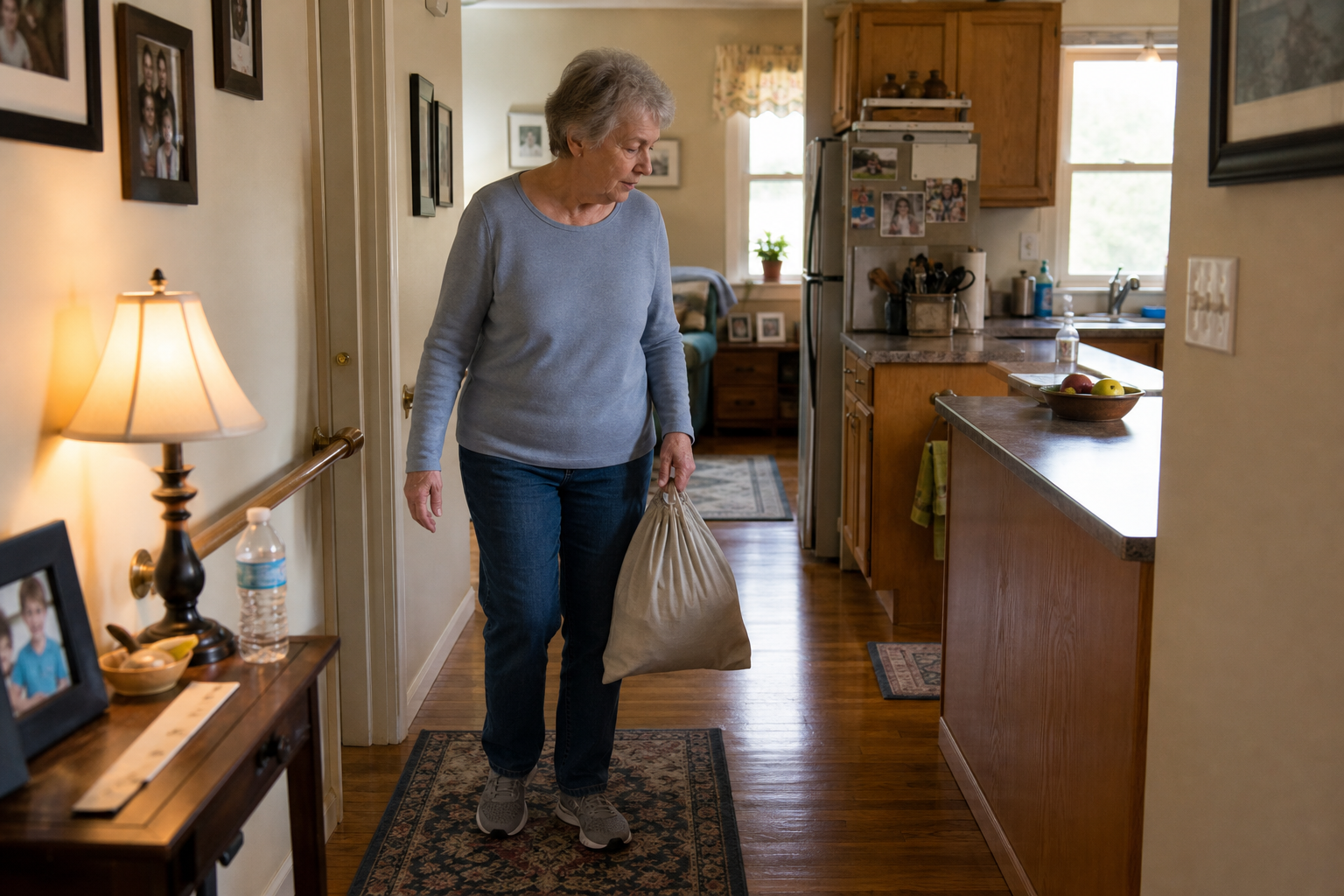
Everyday Habits That Reduce Fall Risk are small routines that make ordinary movement safer at home. Falls often happen during common moments: getting up too fast, carrying laundry, walking in socks, reaching into a cabinet, or hurrying to the bathroom at night.
The goal is not to make home life rigid or fearful. The goal is to make safer movement automatic. Low-cost habits can protect independence, reduce avoidable risks, and make aging in place more realistic without turning the home into a medical setting.
Everyday Habits That Reduce Fall Risk Start With Safer Movement
Safer movement begins before a person takes a step.
Many falls happen because the body is moving before balance, vision, and attention have caught up. Standing quickly from a chair, turning too sharply, or stepping around an object while distracted can create more risk than the object itself.
A useful habit is to pause before movement. This is especially important when getting out of bed, rising from a recliner, standing after a meal, or stepping away from a counter. The pause gives the body a moment to settle.
Practical habits include:
• Sit upright for a few seconds before standing from bed
• Place both feet flat before pushing up from a chair
• Stand still briefly before walking
• Turn the whole body instead of twisting at the waist
• Keep one hand free when moving through narrow spaces
• Slow down before crossing thresholds or changing floor surfaces
Everyday Habits That Reduce Fall Risk work best when they become ordinary routines rather than special precautions.
Reduce Rushing During Daily Tasks
Rushing turns simple movement into risky movement.
Older adults may hurry for many reasons: answering the phone, reaching the bathroom, checking the stove, opening the door, or trying not to inconvenience someone else. The problem is that rushed movement often combines quick turns, poor foot placement, distraction, and divided attention.
A practical home rule is simple: nothing in the house should require running, lunging, or sudden movement. Phones can be placed where they are easy to reach. Common items can be moved closer. Bathroom routes can be kept clear. Clothing, shoes, glasses, and walking aids should be positioned before they are urgently needed.
Better routines include:
• Let unknown phone calls go to voicemail
• Keep a phone within reach of the favorite chair
• Start bathroom trips before urgency becomes severe
• Turn off burners before answering the door
• Place keys, glasses, and wallets in one consistent location
• Leave extra time before appointments or family pickups
Carry Fewer Items At One Time
Carrying too much changes balance immediately.
Laundry baskets, grocery bags, stacks of mail, plates, coffee mugs, and household supplies can obstruct vision, occupy both hands, and cause uneven weight distribution. A person may still be strong enough to lift the load but not steady enough to carry it safely while walking.
The safer habit is to make more trips with lighter loads. This may feel inefficient, but it often prevents the awkward half-stumble that happens when someone cannot see the floor or cannot use a hand for support.
Useful adjustments include:
• Carry one small bag in each hand instead of one heavy bag
• Use a lightweight laundry bag instead of a tall basket
• Move dishes in several short trips
• Keep both hands free when using stairs
• Slide items along a counter instead of carrying them across the room
• Use a small rolling cart only on smooth, uncluttered floors.
Wear Safer Footwear Inside The Home
Footwear matters even inside the house.
Many people think of shoes as an outdoor issue, but indoor falls often happen in socks, loose slippers, backless sandals, or shoes with worn soles. A familiar home can still contain slick floors, small thresholds, rugs, stairs, and bathroom surfaces that require traction.
A good indoor shoe should stay on the foot, grip the floor, and allow normal walking. It should not flop, slide, twist, or catch on carpets. The safest option is often simple: a comfortable closed-back shoe with a firm sole and good tread.
Safer footwear habits include:
• Put shoes on before walking around in the morning
• Avoid walking in socks on smooth floors
• Replace slippers that stretch, sag, or slide
• Keep shoes near the bed for nighttime use
• Check soles for worn smooth spots
• Avoid long robe hems that can catch underfoot
Everyday Habits That Reduce Fall Risk should include what is worn on the feet, not just what is changed in the room.
Manage Fatigue Before It Changes Balance
Tired movement is less precise.
Fatigue affects balance, attention, foot clearance, and decision-making. A person who moves safely at 10 in the morning may be much less steady at 8 in the evening. This is especially important during cooking, bathing, laundry, and stair use, as well as bedtime routines.
The practical habit is to do harder tasks earlier and simplify later parts of the day. Heavy chores, showering, grocery unloading, and stair trips should not be saved for the most tired hour.
Better fatigue habits include:
• Schedule laundry when energy is highest
• Sit while folding clothes or preparing simple food
• Break cleaning into short sessions
• Keep evening meals simple and easy to handle
• Move needed bedtime items before becoming tired
• Stop a task before the balance starts to feel uncertain
Stay Hydrated And Avoid Lightheaded Movement
Lightheadedness can turn ordinary walking into a fall risk.
Dehydration, skipped meals, heat, alcohol, and standing too quickly can all make movement less steady. The issue is not only thirst. A person may feel weak, foggy, or slightly off balance before recognizing a problem.
A practical routine is to keep water visible and easy to reach. A glass near the favorite chair, a bottle on the nightstand, and fluids with meals can help. The goal is not complicated tracking. The goal is to prevent long stretches with little fluid intake.
Helpful habits include:
• Drink water with morning medications or breakfast
• Keep a lightweight water bottle near the main sitting area
• Avoid standing quickly after long sitting
• Eat something before long errands
• Use extra caution after hot weather or heavy sweating
• Sit down if dizziness begins instead of trying to push through it
https://magazine.medlineplus.gov/article/h20-for-healthy-aging
Make Nighttime Movement Predictable
Nighttime falls often happen because the body is half-awake.
A person may get up quickly, forget slippers, miss a light switch, or take a slightly different route than usual. Darkness, urgency, confusion, and fatigue can combine quickly. The safest nighttime habit is predictability.
The path from bed to bathroom should stay the same every night. Nothing should be placed on the floor “just for now.” Shoes, glasses, a cane, a walker, or a robe should be in the same spot every time. A small light should make the route visible without creating glare.
Useful nighttime habits include:
• Turn on a bedside lamp before standing
• Keep glasses in the same reachable place
• Move cords away from the walking path
• Keep pets out of the nighttime route when possible
• Use a clear path to the bathroom every night
• Avoid rearranging bedroom furniture casually
Everyday Habits That Reduce Fall Risk are closely tied to aging in place because they make safe movement a part of everyday life. The Aging in Place Checklist can help families notice which routines, rooms, and walking paths need attention before a fall forces rushed decisions.
Avoid Unsafe Reaching And Climbing
Reaching too far creates avoidable risk.
Many falls happen when someone stretches for a high shelf, stands on a chair, reaches behind furniture, or climbs a small ladder for a quick task. The danger is often underestimated because the task seems minor. Changing a bulb, retrieving a pan, adjusting curtains, or reaching holiday decorations can be enough to cause a fall.
The better habit is to bring frequently used items down to easy reach. The safest storage zone is between shoulder height and knee height. Heavy items should not be stored overhead. Rarely used items can be placed higher, but they should not be retrieved casually by someone with balance concerns.
Practical changes include:
• Move daily dishes to lower shelves
• Store heavy pans at waist level
• Keep cleaning supplies where they can be reached without bending deeply
• Use a sturdy step stool only when another adult is nearby
• Do not stand on chairs, buckets, or rolling furniture
• Ask for help with attic, garage, or high closet items
Everyday Habits That Reduce Fall Risk depend on reducing unnecessary challenges. Safer homes are not perfect homes. They are homes where common routines are arranged so walking, reaching, turning, carrying, and resting happen with less strain and fewer surprises.
© 2026 Mark Fomenko. All rights reserved.
AgingInPlaceResource.com
Privacy Policy | Terms of Use | Disclaimer | Contact | Newsletter
Recent Articles


-
Aging In Place Resource Library
Sep 04, 26 08:30 AM
Aging In Place Resource Library -
Aging in Place Resource Newsletter
Aug 30, 26 11:16 AM
Aging in Place Resource Newsletter -
Aging in Place Resource: Simple Strategies for Living Safely at Home
Jul 28, 26 12:43 PM
 Aging in Place Resource provides practical guidance for aging in place. Learn how to live safely and independently at home with strategies for home safety, caregiving, planning, and long-term support.