Signs Dementia Care At Home Is Becoming Unsafe
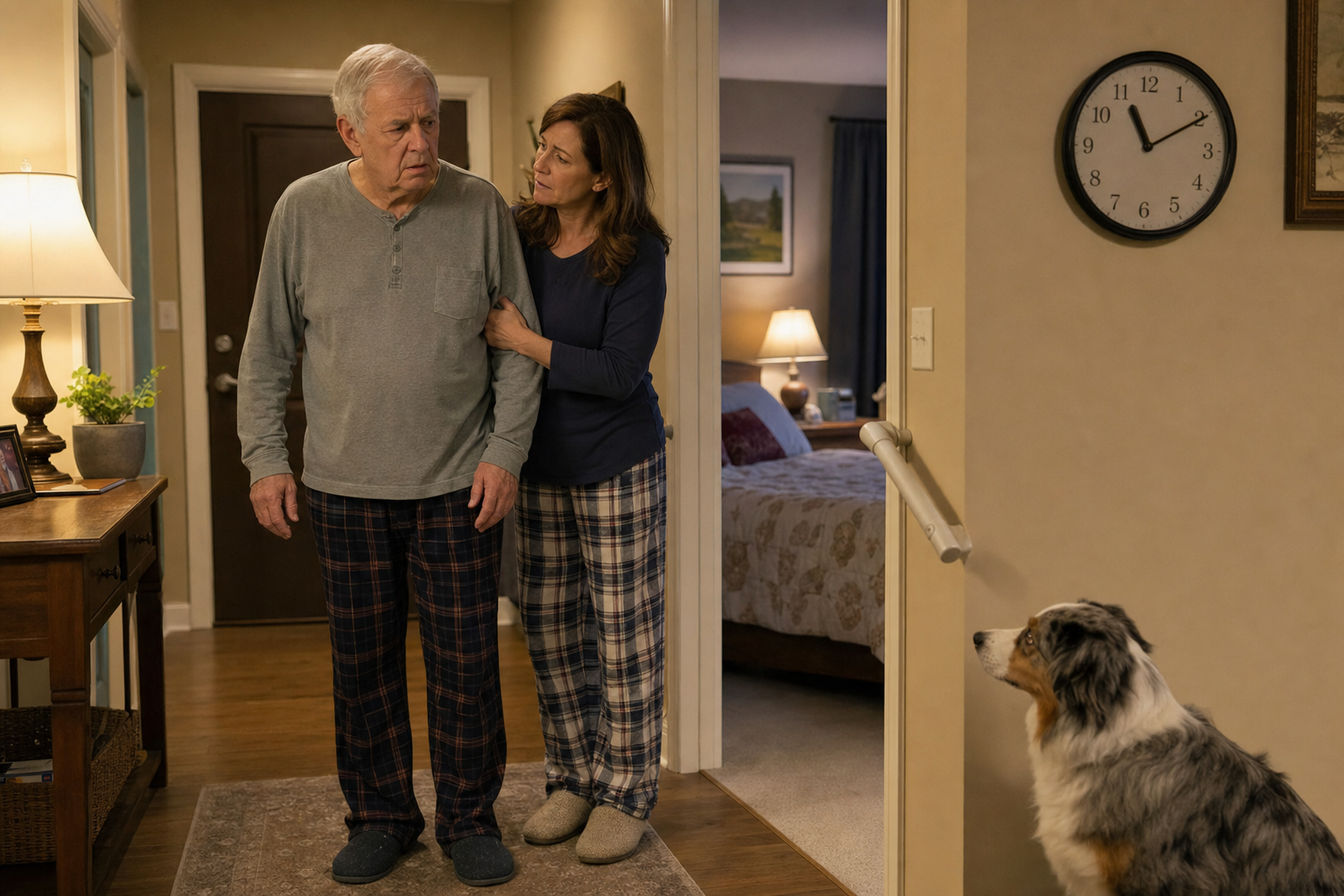
Signs Dementia Care at Home is Becoming Unsafe are often noticed slowly rather than all at once. Families may adapt to one small problem after another until daily life starts feeling unpredictable, exhausting, or physically risky. A parent who once managed well alone may suddenly forget meals, wander outside at night, leave water running, fall repeatedly, or become unable to recognize dangerous situations inside the home.
Many adult children first notice the problem during a visit. The house may appear mostly normal at first glance, yet daily functioning has quietly deteriorated. Food spoils in the refrigerator. Burned pans pile up near the stove. Medication schedules become confused. Bills go unpaid. A parent may insist everything is fine while simultaneously forgetting conversations from ten minutes earlier.
This creates difficult decisions because dementia does not decline in a perfectly straight line. Some days seem surprisingly normal. Other days become chaotic and unsafe. Recognizing the practical warning signs early can help families reduce injury risks, simplify caregiving, and maintain independence longer before a crisis forces rushed decisions.
Repeated Wandering And Unsafe Movement Patterns
One of the clearest Signs Dementia Care At Home Is Becoming Unsafe is frequent wandering or confused movement through the home and neighborhood. This often becomes worse during late afternoon and nighttime hours.
Common warning signs include:
- Leaving the house without appropriate clothing
- Attempting to go to former workplaces or childhood homes
- Walking outside at night
- Becoming lost in familiar neighborhoods
- Pacing continuously
- Trying to use stairs unsafely
- Entering cluttered or dangerous areas of the house
Families sometimes underestimate the danger because the individual may still walk well physically. The problem is often impaired judgment rather than poor mobility alone.
One caregiver described her husband calmly dressing in a business suit at midnight because he believed he needed to catch a train in Kansas City. They lived in a rural area many miles away from any train station. He spoke confidently and sounded rational until the conversation continued longer.
Simple changes can reduce risk substantially:
- Install inexpensive door alarms
- Improve nighttime lighting
- Remove loose rugs
- Keep walking paths clear
- Lock basement or garage access if necessary
- Place commonly used items in predictable locations
Large furniture changes can create confusion at first, but safer layouts often become necessary as dementia progresses.
Signs Dementia Care At Home Is Becoming Unsafe During Daily Routines
Daily routines often deteriorate long before families fully recognize that dementia care at home is becoming unsafe. The individual may appear functional during short conversations while quietly losing the ability to manage ordinary tasks consistently.
Warning signs include:
- Wearing the same clothing repeatedly
- Forgetting meals
- Drinking very little water
- Inability to prepare simple food
- Confusing day and night
- Leaving food unrefrigerated
- Failure to bathe regularly
- Missing medications
- Taking duplicate medications
A parent may insist they already ate lunch while untouched food sits on the counter. Coffee may be made repeatedly throughout the morning because earlier attempts were forgotten. Sandwich ingredients may be scattered around the kitchen with no completed meal.
These situations create cumulative risk. Dehydration, weakness, poor nutrition, medication confusion, and sleep disruption often accelerate decline and increase fall risk.
Simple visual systems often help more than complicated organizational systems. Large clocks, visible calendars, labeled cabinets, and consistent meal routines can reduce confusion.
Medication Management For Seniors
Unsafe Cooking And Kitchen Hazards
Kitchen problems are among the most serious Signs Dementia Care At Home Is Becoming Unsafe because fire and injury risks increase quickly once judgment declines.
Common examples include:
- Leaving burners on
- Forgetting food while cooking
- Putting metal in microwaves
- Attempting to cook with spoiled food
- Using appliances incorrectly
- Storing items near burners
- Forgetting water running in sinks
Many families first discover problems after smelling burned food or finding scorched cookware. Others notice stacks of expired food or half-prepared meals abandoned in the kitchen.
A person with dementia may continue attempting familiar routines long after the ability to perform them safely has declined. This creates emotional tension because removing cooking independence can feel humiliating or controlling.
Practical adaptations may include:
- Disconnecting stove controls
- Using microwave-only meal systems
- Providing prepared meals
- Using automatic shutoff devices
- Simplifying cookware and utensils
- Removing unnecessary appliances
These decisions are rarely emotionally clean. A parent may become angry when the environment changes. In many cases, the anger reflects fear, confusion, or loss of control more than stubbornness.
My mother had been an excellent cook for many years. After work one day I came into the kitchen, and she showed me a failed attempt to bake a cake from a boxed mix. She said it had taken all day. The finished cake looked like a brick. Around the same time, she ruined a Teflon pan by scrubbing it with steel wool.
Those were some of the first clear signs that something was seriously changing cognitively. Eventually coffee and scrambled eggs became the only things she could reliably prepare. Helping her cope with that loss was similar to helping someone mourn the death of a dear friend.
Increasing Falls And Transfer Problems
Frequent falls are one of the strongest indicators that dementia care at home is becoming unsafe. Dementia affects judgment, balance awareness, reaction time, and the ability to recognize physical limitations.
The risk becomes much higher when mobility decline combines with confusion.
Warning signs include:
- Attempting to stand without assistance
- Forgetting to use walkers
- Leaning on unstable furniture
- Falling during nighttime bathroom trips
- Poor footwear choices
- Unsafe transfers from bed or chairs
- Reaching for objects while walking
One major problem is that some individuals remain fully convinced they can move safely even after repeated falls. A parent may insist they do not need assistance despite obvious weakness or instability.
Nighttime is especially dangerous because dementia can increase confusion in darkness or low light. Even familiar rooms may become disorienting.
Helpful changes often include:
- Motion-sensor lighting
- Stable chairs with armrests
- Removing clutter from walking paths
- Bedside commodes when appropriate
- Reducing unnecessary furniture
- Keeping frequently used items within reach
Transfer Safety And Aging In Place
Hallucinations, Delusions, And Severe Confusion
Some of the most emotionally difficult Signs Dementia Care At Home Is Becoming Unsafe involve hallucinations or fixed false beliefs.
A parent may:
- Speak to people who are not present
- Believe strangers are entering the house
- Hide objects repeatedly
- Accuse family members of theft
- Misinterpret television as reality
- Become frightened by reflections or shadows
- Confuse past events with current events
These situations can become dangerous when fear drives behavior. Someone may attempt to leave the house, barricade doors, or aggressively resist help because they believe a threat is real.
Arguing usually makes these situations worse. Logical explanations often fail because the emotional experience feels real to the person with dementia.
Families frequently exhaust themselves trying to reason through impossible conversations. Over time, many learn that calm redirection works better than confrontation.
The environment matters more than people often realize. Shadows, clutter, loud television, excessive noise, and overstimulation can increase confusion dramatically.
Consistent routines and calmer surroundings usually help more than constant correction.
For additional dementia safety information, visit the CDC dementia safety guidance
Caregiver Exhaustion And Constant Supervision
Sometimes the strongest Signs Dementia Care At Home Is Becoming Unsafe appear in the caregiver rather than the individual with dementia.
Warning signs include:
- Sleeping lightly due to nighttime wandering
- Fear of leaving the house briefly
- Constant interruption during meals or phone calls
- Physical exhaustion from transfers
- Repeated emergency situations
- Anxiety about falls
- Increasing frustration or resentment
- Difficulty maintaining employment
Many caregivers quietly adapt to extreme stress for long periods before recognizing how unsustainable the situation has become.
The emotional difficulty is complicated because moments of normal conversation still occur. A parent may sound entirely reasonable for thirty minutes and then become profoundly confused shortly afterward. This inconsistency causes many families to delay decisions longer than they otherwise would.
Exhausted caregivers also become more vulnerable to injury. Fatigue increases the chance of unsafe lifting, poor judgment, falls, and medication mistakes.
Realistic caregiving often involves simplifying expectations rather than trying to preserve every former routine exactly as it existed before dementia.
How To Cope With Dementia In A Parent
Signs Dementia Care At Home Is Becoming Unsafe After Hospitalization
Hospitalizations often accelerate dementia-related decline. A parent who previously managed reasonably well at home may return significantly weaker, more confused, or unable to follow routines safely.
Common post-hospital warning signs include:
- Increased confusion
- Difficulty walking
- New incontinence
- Sleep disruption
- Medication confusion
- Inability to follow transfer instructions
- Fear of falling
- Reduced strength and endurance
The home environment that previously worked may suddenly become unsafe.
This is especially true with:
- Multi-level homes
- Narrow walking paths
- Cluttered rooms
- Poor bathroom access
- Low seating
- Weak lighting
- Long distances between rooms
Families are often forced to make rapid decisions during these periods while emotionally exhausted and operating with incomplete information.
Temporary simplification usually helps. Consolidating living areas onto one floor, reducing furniture, shortening walking distances, and creating predictable daily routines can stabilize difficult situations considerably.
Making Practical Safety Changes Before Crisis Decisions
Many Signs Dementia Care At Home Is Becoming Unsafe emerge gradually enough that families normalize them over time. Waiting for a catastrophic event often removes the ability to make calm, practical decisions.
Small changes made early are usually easier than major emergency changes later.
Helpful priorities often include:
- Simplifying room layouts
- Improving lighting
- Removing trip hazards
- Reducing unnecessary stairs
- Creating visible routines
- Keeping important items easy to find
- Monitoring nighttime activity
- Reducing physical strain on caregivers
Not every problem requires immediate institutional care. Many families successfully extend safer home living through realistic environmental adaptation and routine simplification.
The goal is not perfection. The goal is reducing preventable risk while maintaining as much stability and independence as reasonably possible under changing conditions.
© 2026 Mark Fomenko. All rights reserved.
AgingInPlaceResource.com
Privacy Policy | Terms of Use | Disclaimer | Contact | Newsletter
Recent Articles


-
Aging In Place Resource Library
Sep 04, 26 08:30 AM
Aging In Place Resource Library -
Aging in Place Resource Newsletter
Aug 30, 26 11:16 AM
Aging in Place Resource Newsletter -
Aging in Place Resource: Simple Strategies for Living Safely at Home
Jul 28, 26 12:43 PM
 Aging in Place Resource provides practical guidance for aging in place. Learn how to live safely and independently at home with strategies for home safety, caregiving, planning, and long-term support.