Fall Prevention For Seniors With Arthritis
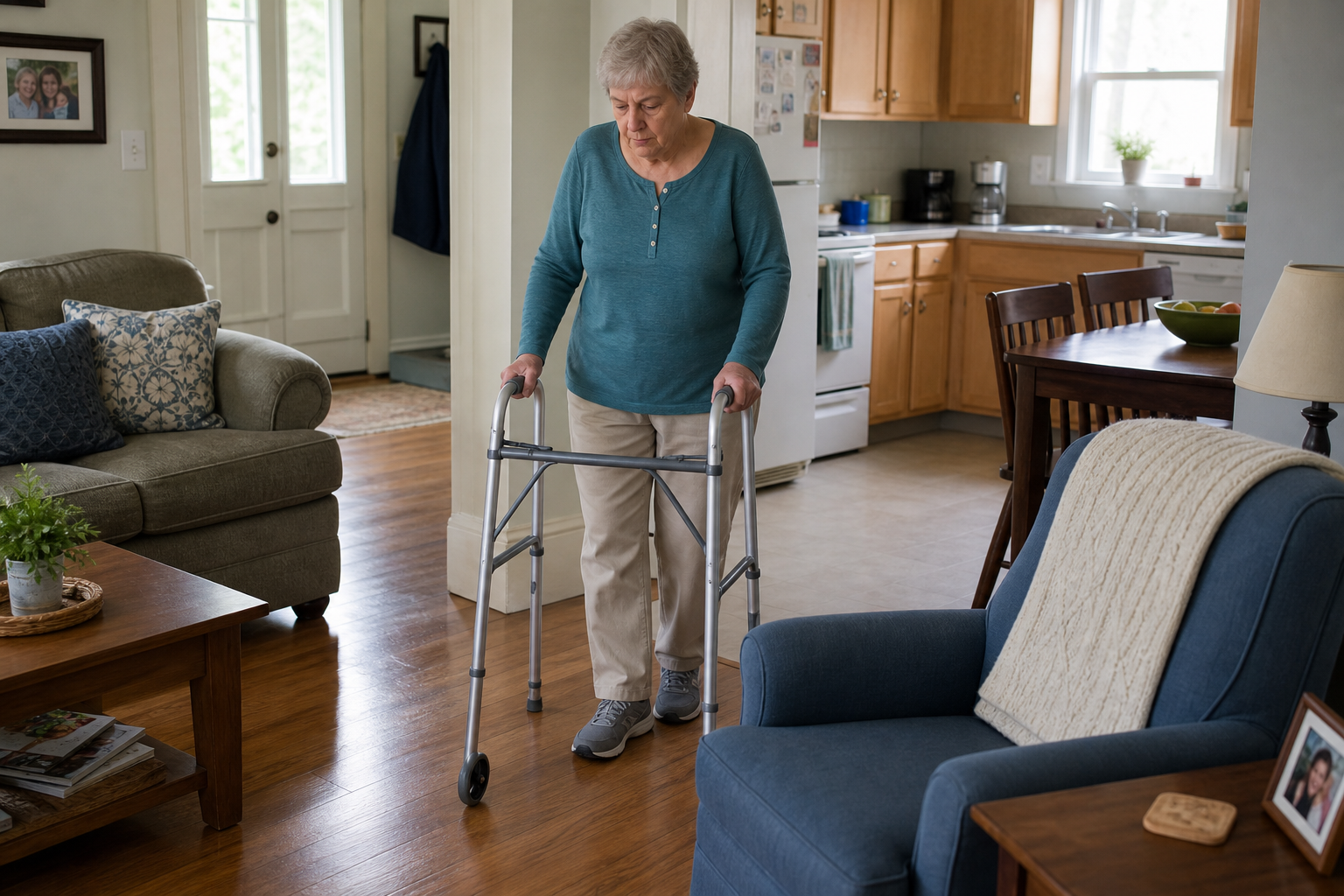
Fall Prevention For Seniors With Arthritis is important because arthritis often affects strength, flexibility, balance, and walking ability. Ordinary household activities such as getting out of a chair, climbing stairs, carrying groceries, or walking to the bathroom can become more difficult when joints are painful or stiff.
Many falls occur during routine activities rather than dramatic accidents. A sore knee may suddenly give way. A painful hip may make turning awkward. Stiff fingers may reduce grip strength when using a handrail. Small changes in movement patterns can increase fall risk without being immediately obvious.
Fortunately, many practical adjustments can reduce risk without expensive equipment or major remodeling. Fall Prevention For Seniors With Arthritis often starts with understanding how arthritis affects movement and making simple changes that support safer daily routines.
Why Arthritis Increases Fall Risk
Arthritis affects people differently, but several common problems can increase the likelihood of a fall.
These include:
- Joint pain
- Stiffness after sitting
- Reduced flexibility
- Muscle weakness
- Slower reaction times
- Difficulty climbing stairs
- Problems with balance
Many people develop compensating movement patterns without realizing it. They may lean heavily to one side, avoid bending a painful knee, or use furniture for support while walking.
Pain can also create hesitation. A person may pause unexpectedly while walking, move cautiously around obstacles, or rush through uncomfortable movements to get them over with quickly. Both hesitation and rushing can increase risk.
Recognizing these patterns is often the first step in Fall Prevention For Seniors With Arthritis.
Fall Prevention For Seniors With Arthritis Starts With Safer Movement
One of the most effective strategies for Fall Prevention For Seniors With Arthritis is moving more deliberately. Arthritis often affects balance indirectly by changing how people move. Pain, stiffness, weakness, and reduced flexibility can make ordinary movements less predictable and more physically demanding.
Many falls occur during transitions such as:
- Standing from a chair
- Getting out of bed
- Exiting a vehicle
- Rising from a toilet
- Stepping onto stairs
- Turning after standing
- Beginning to walk after sitting for a long period
These movements may seem routine, but they require coordination and stability. Arthritis can make joints feel stiff or unreliable, particularly after periods of inactivity.
Instead of standing immediately and walking away, pause briefly and allow your body time to adjust.
A simple routine may look like this:
- Move to the edge of the seat
- Place both feet firmly on the floor
- Stand slowly
- Stabilize your balance
- Begin walking
This process takes only a few seconds, but those few seconds can help prevent dizziness, instability, and sudden loss of balance.
Morning stiffness deserves special attention. Arthritis symptoms are often worse after sleeping or sitting for extended periods. Many people discover that their first few steps after waking are the least stable steps of the day.
Rather than rushing to the bathroom or kitchen, allow your joints a moment to loosen. Gentle movement before walking can make those first steps feel more controlled and comfortable.
Pain can also encourage unsafe movement patterns. Some people favor one leg, avoid bending a painful joint, or shift their weight unevenly without realizing it. Over time these habits can affect balance and increase fall risk.
Pay attention to situations where you feel unsteady, hesitate before moving, or reach for furniture to steady yourself. These moments often reveal where adjustments are needed.
Fall Prevention For Seniors With Arthritis is not about moving less. Maintaining activity helps preserve strength, mobility, and independence. The goal is moving in ways that reduce unnecessary risk while allowing you to continue performing everyday activities safely.
Creating Clear Walking Paths Throughout The Home
Arthritis can make quick adjustments difficult. When joints are painful or stiff, stepping around an obstacle is not always as simple as it sounds. A younger person may easily sidestep a laundry basket or change direction suddenly to avoid an object on the floor. Someone with arthritis may not be able to react as quickly or move as smoothly.
When a person cannot easily step around an obstacle, even minor clutter becomes more hazardous.
Walking routes should be:
- Direct
- Predictable
- Wide enough for comfortable movement
- Free of unnecessary objects
- Consistent from day to day
Pay particular attention to pathways between:
- Bedroom and bathroom
- Living room and kitchen
- Entryways and main living areas
- Recliners and frequently used rooms
- Dining areas and kitchens
These routes are often used multiple times each day and deserve special attention.
Common obstacles include:
- Decorative tables
- Plant stands
- Magazine racks
- Shoes
- Laundry baskets
- Electrical cords
- Storage containers
- Pet beds
- Small trash cans
- Exercise equipment
Furniture arrangements that worked well years ago may no longer fit current mobility needs. A narrow opening between a sofa and coffee table may not seem problematic until someone begins walking more slowly or requires additional space to maneuver comfortably.
Look carefully at the routes actually used every day rather than focusing only on how a room appears. A decorative item that adds character to a room may also create a tripping hazard if it sits along a frequently traveled path.
Pay attention to locations where hesitation occurs. If someone consistently slows down, turns awkwardly, reaches for furniture, or changes direction unexpectedly at a particular spot, that area may need adjustment.
It is also helpful to think about carrying objects. Walking while holding laundry, groceries, meals, or household supplies can reduce visibility and make balance more difficult. Wider, clearer pathways become even more important during these everyday tasks.
Fall Prevention For Seniors With Arthritis often involves removing obstacles rather than adding equipment. Creating clear walking paths costs little or nothing, yet it can significantly reduce the need for sudden movements, awkward turns, and last-second adjustments that increase fall risk.
Choosing Stable And Supportive Footwear
Footwear plays an important role in stability. The right shoes can improve traction, support balance, and reduce stress on painful joints. The wrong shoes can increase the risk of slipping, tripping, or losing footing during everyday activities.
Many falls occur while wearing:
- Loose slippers
- Worn-out shoes
- Socks on smooth floors
- Backless footwear
- Flip-flops
- Shoes with excessively soft or uneven soles
People with arthritis often spend more time thinking about comfort than stability, which is understandable. Painful feet, swollen joints, bunions, and stiffness can make finding comfortable shoes difficult. However, comfort and safety need to work together.
Good footwear should provide:
- Secure heel support
- Non-slip soles
- Adequate room for swollen joints
- Stable contact with the floor
- Low, broad heels
- Reliable traction on common household surfaces
Shoes that slide on easily may seem convenient, but they can also shift unexpectedly while walking. A loose heel or unstable fit may increase the risk of stumbling, especially when turning, climbing stairs, or stepping onto different flooring surfaces.
Pay attention to wear patterns as well. Soles that are smooth, unevenly worn, or separating from the shoe can reduce traction and affect balance. Replacing worn footwear is often a simple and inexpensive fall-prevention measure.
Swelling deserves special consideration. Many people with arthritis notice that their feet become larger later in the day. Footwear should accommodate these changes without becoming so loose that the foot moves excessively inside the shoe.
Indoor footwear matters just as much as outdoor footwear. Some people carefully select supportive walking shoes for errands but spend most of the day at home in loose slippers or socks. Since many falls occur inside the home, everyday indoor footwear should provide the same attention to stability.
Fall Prevention For Seniors With Arthritis often involves small practical decisions repeated every day. Wearing stable, supportive footwear may not seem dramatic, but it can help make walking more predictable, reduce strain on painful joints, and improve confidence when moving around the home.
Safe Shoe Choices For Seniors At Home
Improving Lighting For Better Visibility
Painful joints can make it difficult to react quickly to unexpected hazards. A younger person may recover from a stumble with a quick adjustment. Someone dealing with arthritis may not be able to move fast enough to regain balance before a fall occurs.
Good visibility becomes even more important when movement is slower, turning is more difficult, and stepping over obstacles requires additional effort.
Focus on improving lighting in:
- Hallways
- Stairways
- Entryways
- Bathrooms
- Laundry rooms
- Closets
- Garages
- Frequently used outdoor walkways
Many homes that seem adequately lit during the day become surprisingly dark after sunset. Aging eyes typically require more light, and arthritis often reduces the ability to react quickly when hazards appear unexpectedly.
Simple improvements may include:
- Replacing dim bulbs with brighter alternatives
- Adding lamps to dark corners
- Eliminating burned-out bulbs promptly
- Improving task lighting near chairs and work areas
- Installing lighting near stairs and entrances
- Reducing deep shadows that hide obstacles
Consistent lighting is often more effective than a single extremely bright fixture. Walking from a dim hallway into a brightly lit room can temporarily reduce visibility while the eyes adjust. The opposite transition can be equally problematic.
Pay particular attention to nighttime routes. The path between the bedroom and bathroom should be easy to see without requiring someone to navigate through dark areas. Night lights can help illuminate walking paths without creating glare.
Lighting should also reveal potential hazards clearly. Shoes left near a doorway, pet toys, electrical cords, uneven flooring, and small pieces of clutter are easier to avoid when they can be seen quickly.
Fall Prevention For Seniors With Arthritis often involves reducing the number of situations that require sudden movements or last-second corrections. Better lighting gives people more time to recognize obstacles and adjust safely.
Home Lighting Safety For Seniors
The National Institute on Aging provides additional information about fall prevention and home safety:
https://www.nia.nih.gov/health/falls-and-falls-prevention
Reducing Transfer Risks Around Chairs, Beds, And Toilets
Transfers are a common source of falls. Standing up from a chair, getting out of bed, or rising from a toilet requires balance, strength, coordination, and joint movement. Arthritis can make all of these actions more difficult.
Many people with arthritis experience pain when moving from sitting to standing positions. Stiff knees, painful hips, weak leg muscles, or reduced flexibility can turn a routine movement into a challenging task.
Furniture should support safe transfers rather than make them harder.
Look for chairs that:
- Have firm cushions
- Include sturdy armrests
- Sit at a comfortable height
- Allow both feet to rest flat on the floor
- Provide enough room to move without twisting awkwardly
Very soft furniture may feel comfortable initially, but it often causes people to sink into the seat. Standing then requires more effort, places additional strain on painful joints, and may increase the risk of losing balance.
When standing, avoid leaning forward suddenly or pushing up too quickly. A safer approach is to move to the front edge of the seat, place both feet firmly on the floor, push up using the armrests if available, and pause briefly before walking.
Beds that are excessively high or low can create similar problems. A bed that is too low may require deep bending of painful knees and hips. A bed that is too high can make it difficult to place both feet securely on the floor before standing.
Pay particular attention to nighttime transfers. Arthritis stiffness is often worse after lying down for several hours. Someone who gets out of bed quickly to use the bathroom may discover that their joints are not yet ready for immediate movement.
Bathrooms deserve special consideration because hard surfaces increase the likelihood of injury if a fall occurs. Getting on and off the toilet, stepping into a shower, and moving on wet floors can be challenging when joints are painful or unstable.
Many falls happen not while walking across a room but during these ordinary transitions between sitting, standing, and turning. Fall Prevention For Seniors With Arthritis often involves slowing down, using supportive furniture, and creating a more predictable environment for everyday movements.
Transfer Safety And Aging In Place
Managing Fatigue And Activity Levels
Arthritis often causes fatigue in addition to joint pain. Many people expect aching joints, but they are surprised by how tiring ordinary daily activities can become.
Pain itself requires energy. Poor sleep caused by discomfort can leave someone feeling tired before the day even begins. Simple tasks such as walking through a grocery store, carrying laundry, standing at a kitchen counter, or climbing a few stairs may require more effort than they once did.
As fatigue increases, people may:
- Shuffle their feet
- Drag their toes
- Lose concentration
- Misjudge distances
- Forget to use handrails
- Rush through tasks
- Make poor decisions about safety
Many falls occur late in the day when energy levels are lower and joints have become more painful or stiff from repeated use.
Pay attention to activities that consistently leave you exhausted. These often reveal situations where additional planning may help.
Examples include:
- Grocery shopping
- Household cleaning
- Laundry
- Yard work
- Cooking large meals
- Carrying supplies between rooms
Breaking larger tasks into smaller sessions can reduce both fatigue and fall risk. There is rarely a prize for finishing everything at once.
For example, carrying a full laundry basket across the house may seem efficient, but it can block visibility and place additional stress on painful joints. Taking several smaller trips may be slower but often proves safer.
Rest periods should be viewed as part of the task rather than a sign of failure. Sitting for a few minutes before continuing can prevent fatigue from reaching the point where balance, judgment, and coordination begin to decline.
Overconfidence can also become a problem. A person may feel capable when starting an activity but become noticeably fatigued halfway through. Many falls happen during the final stages of a task when someone is determined to finish despite increasing discomfort and exhaustion.
Fall Prevention For Seniors With Arthritis includes learning to recognize personal limits before fatigue begins affecting movement quality. Paying attention to energy levels throughout the day can help reduce unnecessary risk while preserving independence and activity.
Building Daily Habits That Support Long-Term Independence
Fall Prevention For Seniors With Arthritis is rarely about a single change. It is usually the result of multiple small adjustments working together.
Helpful habits include:
- Keeping walking routes clear
- Wearing stable footwear
- Moving slowly during transitions
- Improving household lighting
- Reducing unnecessary clutter
- Planning activities around energy levels
- Addressing new mobility challenges early
Adult children often notice subtle changes before an older parent does. A parent may begin using walls for support, avoid stairs, hesitate before standing, or stop participating in activities they once handled easily.
These observations can provide valuable warning signs.
The goal is not eliminating all activity. Remaining active helps preserve strength, mobility, and confidence. The goal is reducing unnecessary risk while making everyday movement safer and more predictable.
© 2026 Mark Fomenko. All rights reserved.
AgingInPlaceResource.com
Privacy Policy | Terms of Use | Disclaimer | Contact | Newsletter
Recent Articles


-
Aging In Place Resource Library
Sep 04, 26 08:30 AM
Aging In Place Resource Library -
Aging in Place Resource Newsletter
Aug 30, 26 11:16 AM
Aging in Place Resource Newsletter -
Aging in Place Resource: Simple Strategies for Living Safely at Home
Jul 28, 26 12:43 PM
 Aging in Place Resource provides practical guidance for aging in place. Learn how to live safely and independently at home with strategies for home safety, caregiving, planning, and long-term support.