How To Make A Home Safer Without Remodeling
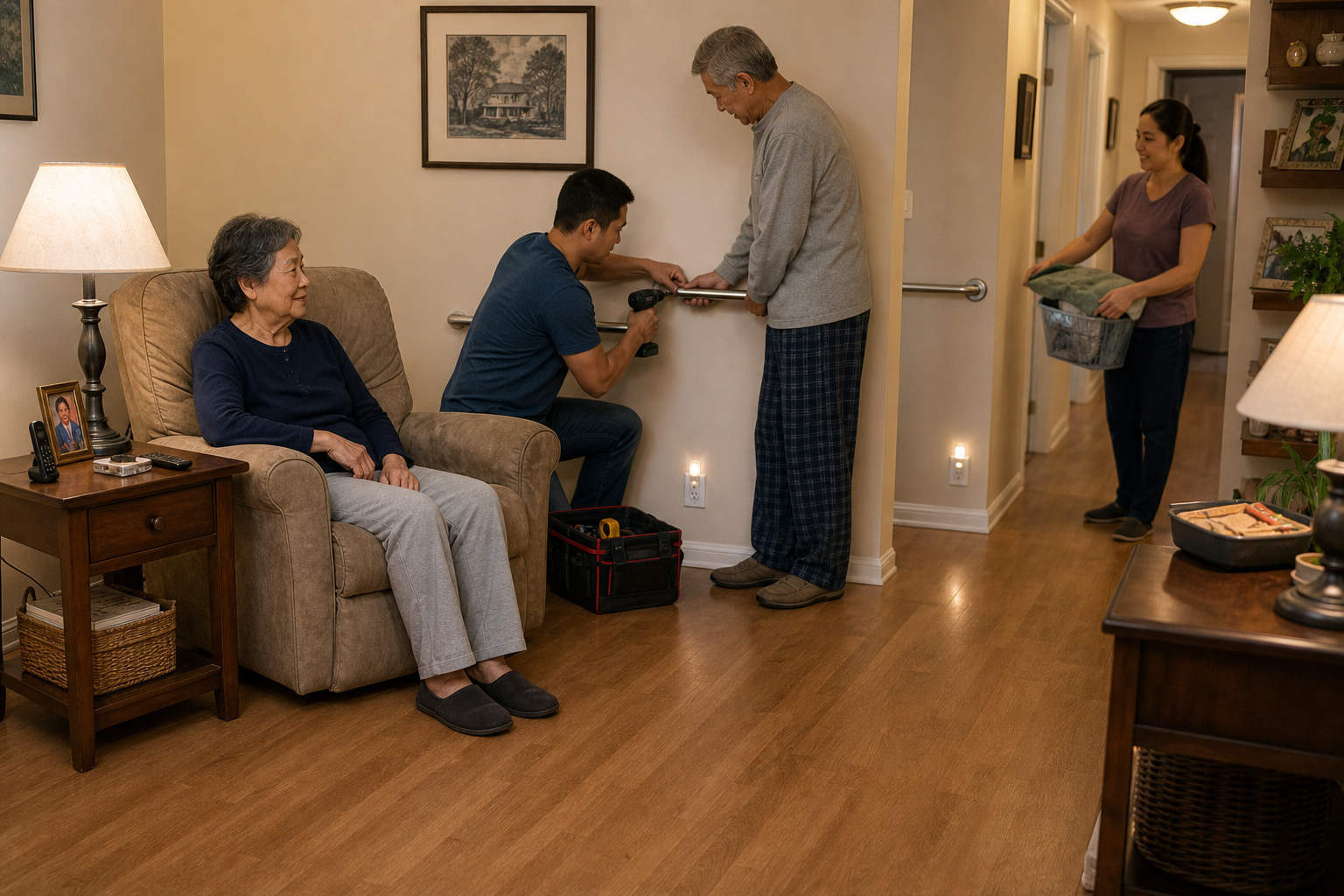
How To Make A Home Safer Without Remodeling starts with reducing the everyday hazards that make walking, reaching, turning, bending, and getting up more difficult than they need to be. Most home safety problems are not caused by the house itself. They come from clutter, poor lighting, loose items, awkward furniture placement, and daily routines that no longer fit the person using the space.
A safer home does not have to begin with contractors, permits, or expensive renovation plans. Small physical changes can reduce fall risk, make daily tasks easier, and help an older adult remain independent longer. The goal is to adjust the home to real movement patterns instead of forcing the person to keep working around avoidable hazards.
Start with the areas used every day. Walk the home slowly. Notice where feet catch, where hands reach for support, where lighting fails, and where frequently used items are stored too high, too low, or too far away.
How To Make A Home Safer Without Remodeling By Clearing Walking Paths
Clear walking paths first because most daily safety problems begin where people move.
The simplest way to begin How To Make A Home Safer Without Remodeling is to create wider, cleaner routes through the rooms used most often. A safe path should allow someone to walk without turning sideways, stepping over items, brushing against furniture, or navigating around small tables. This matters more when someone uses a cane, walker, furniture for balance, or slower, shorter steps.
Focus on the route from the bedroom to the bathroom, the path from the living room to the kitchen, and the area around the favorite chair. These are high-use movement zones. A beautiful room arrangement is less important than a predictable path that works during tired moments, rushed moments, and nighttime trips.
Practical actions include:
- Move small tables out of narrow walking routes.
- Remove baskets, shoes, cords, and decorative objects from the floor.
- Shift chairs so a walker or cane can pass without bumping furniture.
- Keep pet beds, food bowls, and toys away from common walking paths.
- Create a straight route from the bed to the bathroom door.
- Leave enough space beside favorite chairs for standing and turning.
Do not judge the home by how it looks in daylight when everyone is alert. Judge it by whether someone can move through it safely at 2 a.m., when tired, distracted, or carrying something.
Improve Lighting Where Movement Happens Most
Better lighting reduces guesswork.
Poor lighting makes ordinary home features more dangerous. A rug edge, step, shoe, cord, or change in flooring is easier to miss when shadows cover the floor. The goal is not bright lighting everywhere. The goal is to provide useful lighting in places where movement, reaching, standing, and turning occur.
Start with transition areas. Doorways, hallways, stair landings, bathroom entrances, and the space around the bed need clear visibility. Many older adults move more cautiously when the lighting is uneven, and that hesitation can create awkward steps or poor balance. A few inexpensive plug-in lights often do more good than a decorative lamp across the room.
Useful changes include:
- Add plug-in night lights from the bedroom to the bathroom.
- Place a lamp within easy reach of the bed.
- Use motion-sensor lights in hallways and near bathrooms.
- Replace dim bulbs in stairways and entry areas.
- Add task lighting near medication, reading, and food preparation areas.
- Keep light switches unobstructed by furniture or stacked items.
How To Make A Home Safer Without Remodeling often comes down to making the floor, corners, thresholds, and furniture edges easier to see before the person starts moving.
Home Lighting Safety for Seniors
Make Floors Safer Without Replacing Them
Floors should be stable, visible, and easy to cross.
A floor does not have to be new to be safer. The main issue is whether the walking surface creates sliding, catching, tripping, or hesitation. Loose rugs, curled rug corners, thick mats, slick flooring, and cluttered thresholds are common problems. These are usually cheaper to fix than people expect.
Look at floors from the perspective of feet, canes, walkers, and nighttime movement. A rug that seems harmless may catch a toe. A mat that looks useful may slide. A floor transition that feels minor to one person may be difficult for someone with weaker balance or reduced foot clearance.
Take these steps, room by room:
- Remove throw rugs from main walking paths.
- Tape down curled rug edges if the rug must stay.
- Use low-profile mats only where they do not bunch or slide.
- Keep cords off the floor and away from walking routes.
- Clean spills immediately, especially in kitchens and bathrooms.
- Check thresholds for raised edges that catch shoes or mobility aids.
The goal is not to make the home bare. The goal is to make walking surfaces predictable. For deeper room-by-room floor decisions, see Flooring Safety For Seniors.
Rearrange Furniture For Safer Standing And Turning
Furniture placement should support movement rather than block it.
Many homes become harder to use because furniture stays where it has always been, even after the person’s movement has changed. Sofas, end tables, ottomans, plant stands, magazine racks, and decorative pieces may create tight turns or unstable reaching. Rearranging what is already there can make the room safer without buying anything.
Pay close attention to the favorite chair. This is often where a person sits, stands, reaches for drinks, handles the phone, watches television, and may nap. The surrounding space should make standing easy. The person should not have to push off a rolling table, twist around an ottoman, or step over a footstool.
Practical furniture changes include:
- Move low ottomans away from walking paths.
- Place a sturdy side table within easy reach of the main chair.
- Remove unstable accent tables used for balance.
- Keep frequently used items on the stronger-hand side.
- Leave space for both feet to plant before standing.
- Arrange seating so the person can stand without twisting.
How To Make A Home Safer Without Remodeling is often a matter of removing one obstacle from each movement. One less awkward turn, one less reach, and one less trip hazard can change how safely a room works.
Make The Bathroom Safer With Low-Cost Adjustments
The bathroom deserves special attention because water, hard surfaces, and tight spaces combine quickly to create risk.
A full bathroom remodel is not the first step. Many safety improvements are simple, inexpensive, and immediate. The most useful changes reduce slipping, reaching, bending, and rushed movement. Start by looking at how the person enters, uses the toilet, steps into the shower, reaches for towels, and exits the room.
Do not overload the bathroom with extra storage furniture. That can make the space harder to use. Instead, remove what is not needed, relocate extra supplies, and keep daily items within easy reach. A bathroom should be easy to enter, use, and leave without stepping around clutter.
Consider these practical fixes:
- Use a non-slip bathmat that stays flat and does not bunch.
- Keep towels within reach before bathing begins.
- Move shampoo and soap to waist-height storage.
- Remove decorative baskets from the floor.
- Keep the bathroom floor dry after every use.
- Add a stable shower chair if standing to bathe has become difficult.
Grab bars can be helpful when properly installed, but suction grab bars should not be trusted for full body weight. For bathroom-specific safety planning, see Bathroom Safety For Seniors.
Store Everyday Items At Safer Heights
Storage should reduce bending, climbing, and awkward reaching.
Many home safety problems begin in cabinets, closets, pantries, and shelves. If everyday items are stored too high, someone may climb, stretch, or pull objects down from above shoulder level. If items are stored too low, the person may bend deeply, lose balance, or struggle to stand back up. Safer storage keeps daily items between waist and shoulder height whenever possible.
This is one of the most affordable ways to apply How To Make A Home Safer Without Remodeling as a practical home strategy. Rearranging cabinets costs nothing. The key is to store for current ability, not for old habits. The most-used items should get the safest locations.
Useful storage changes include:
- Move daily dishes to a lower cabinet shelf.
- Keep heavy pans at waist height instead of overhead.
- Place medications, glasses, and phone chargers in consistent locations.
- Store cleaning supplies where they do not require deep bending.
- Move seasonal items to harder-to-reach storage areas.
- Keep emergency supplies visible and easy to reach.
This matters beyond convenience. The MedlinePlus home safety guidance also emphasizes reducing fall hazards and keeping commonly used items within easy reach.
National Council on Aging in Place Homepage
Make Stairs, Steps, And Thresholds Easier To Navigate
Small elevation changes create large safety problems when attention is divided.
Stairs are obvious hazards, but single steps, raised thresholds, porch edges, garage entries, and uneven transitions can be just as important. These areas often cause trouble because the person does not treat them like stairs. They may carry groceries, talk while moving, rush to answer the door, or step down without looking carefully.
Begin by improving visibility and consistency. A step should be easy to see. The walking route should be clear before reaching it. Items should not be stored near the top or bottom of stairs. Shoes, packages, laundry baskets, and pet supplies should be kept away from these transition points.
Practical changes include:
- Keep stairways completely free of loose items.
- Add brighter lighting at the top and bottom of stairs.
- Use contrast tape on hard-to-see step edges.
- Keep one hand free when using stairs.
- Place deliveries away from door thresholds.
- Remove loose mats near entry steps.
How To Make A Home Safer Without Remodeling requires special attention to these small transition areas because they often get ignored until a fall happens.
Build Safer Daily Habits Into The Home Setup
The home should make safer choices easier to repeat.
A safer home is not only about objects. It is also about routines. The best low-cost changes support habits that happen every day: getting out of bed, using the bathroom, preparing food, taking medication, answering the phone, feeding pets, getting the mail, and moving between rooms. When the home is arranged around those habits, safety becomes less dependent on memory or willpower.
Set up the home so the safer action is the easiest action. Put the phone where it can be reached without rushing. Keep shoes near the chair where they are usually put on. Place glasses, hearing aids, medications, and water in consistent locations. Reduce the number of times someone has to hurry, search, bend, or carry too much.
Helpful routine-based changes include:
- Keep a phone within reach of the bed and main chair.
- Place a stable chair near the entry for putting on shoes.
- Use a tray or basket to carry light items in one trip.
- Keep pet supplies away from walking paths.
- Put frequently used clothing at easy reach.
- Create a clear landing spot for keys, mail, and glasses.
A safer aging-in-place setup links daily activities to fall prevention. The Aging in Place Checklist helps organize these changes so they are not handled randomly or forgotten after the most obvious hazards are removed.
Keep Safety Practical So Independence Lasts Longer
Practical safety changes are easier to keep using.
A home that becomes safer without feeling overbuilt is more likely to stay that way. Many people resist changes that make the house feel institutional, expensive, or embarrassing. Low-cost, sensible adjustments are easier to accept because they preserve normal daily life while removing unnecessary hazards.
Start with the changes that create the most immediate improvement. Clear the walking paths. Improve lighting. Remove loose floor hazards. Rearrange furniture. Move daily items to safer heights. Make the bathroom easier to use. Check steps and thresholds. Then repeat the process as needs change.
Use a simple maintenance rhythm:
- Walk through the home once a month, looking for new hazards.
- Recheck lighting after bulbs burn out or furniture is moved.
- Remove new clutter before it becomes part of the room.
- Adjust storage when strength, balance, or reach changes.
- Revisit bathroom and bedroom safety after any fall or near fall.
- Keep safety changes inexpensive, visible, and easy to maintain.
How To Make A Home Safer Without Remodeling works best when safety is treated as an ongoing household habit, not a one-time project. For broader room-by-room planning, see Home Safety For Seniors.
_____________________________________________________________________________________________________
Get clear, practical insights on aging in place sent occasionally, and only when useful.
No spam. No noise. Unsubscribe anytime.
______________________________________________________________________________________________________