Home Safety For Seniors
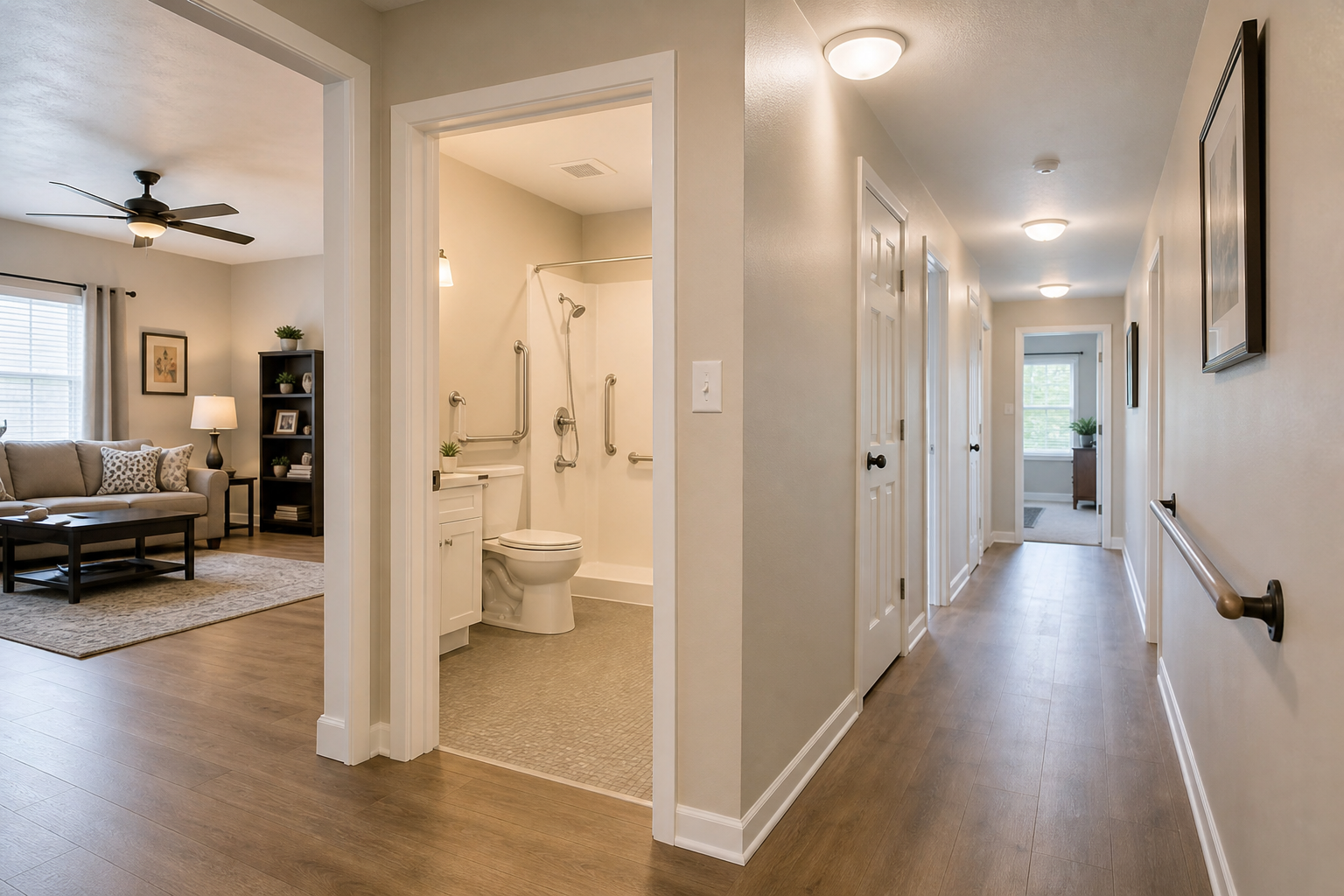
Home safety for seniors is not a theoretical concern. It shows up in small, daily moments that either go smoothly or turn into problems. A missed step, a dim hallway, a loose rug. These are not rare events. They are predictable risks that can be reduced with the right setup.
Most homes were not designed for aging bodies. Vision changes, balance shifts, and reaction time slows. What used to be convenient becomes hazardous. The goal is not perfection. The goal is to remove unnecessary risk and make daily movement safer and more predictable.
When home safety is handled correctly, people stay independent longer. When it is ignored, problems compound quickly and often lead to hospitalization or forced relocation.
Understanding Risk Inside The Home
Risk is not evenly distributed throughout the house. Certain areas create more problems because they combine movement, surfaces, and limited visibility.
Common high-risk conditions include:
- Uneven flooring between rooms
- Poor lighting, especially at night
- Cluttered walkways
- Loose rugs or unsecured mats
- Furniture used as support instead of stable handholds
A person may walk the same path every day without issue. Then one small change creates a fall. A misplaced object, a dim bulb, or fatigue can shift the outcome.
Risk increases when multiple factors combine. For example:
- Low light + stairs
- Wet floor + smooth tile
- Carrying objects + turning corners
The home safety for seniors solution is not to eliminate movement. It is to make movement safer.
At this stage, it helps to review a structured plan, such as the Aging in Place Checklist, to identify hidden risks throughout the home.
Helping a Parent Live Safely at Home
Entryways And Exterior Access
The entrance to the home is often overlooked, but it is one of the most common problem areas.
Steps, uneven surfaces, and weather exposure create unpredictable conditions.
Key improvements include:
- Install secure handrails on both sides of the steps
- Ensure outdoor lighting covers all entry points
- Use non-slip surfaces on stairs and walkways
- Eliminate height differences where possible
- Add a stable bench or surface for balance when unlocking doors
Weather adds another layer of risk. Rain, leaves, and debris quickly create slippery conditions.
A small change, such as improved lighting or a second handrail, can prevent a fall that would otherwise occur under normal conditions.
For a deeper breakdown of outdoor safety adjustments, review the page on How to Prevent Falls in the Home.
Living Areas And Daily Movement
Living rooms and common areas are where most time is spent, which increases exposure to risk.
The issue here is not extreme hazards. It is constant, low-level friction in movement.
Focus on:
- Clear walking paths between furniture
- Stable, non-moving furniture for support
- Removal of low or unstable tables
- Securing electrical cords along walls
- Chairs with firm arms for easier standing
A common mistake is relying on furniture for balance. Lightweight chairs or rolling tables shift under pressure, creating instability.
Lighting is critical in these spaces:
- Use layered lighting instead of a single overhead source
- Add lamps near seating areas
- Eliminate shadows in walking paths
Movement should feel predictable. If a person hesitates before walking across a room, something needs to be adjusted.
This is another area where the Aging in Place Checklist provides a structured way to identify issues without missing details.
Kitchen Safety And Functional Movement
The kitchen combines movement, heat, and sharp objects. Mistakes here tend to have more severe consequences.
The goal is to reduce the need to reach, bend, and carry.
Practical adjustments:
- Store frequently used items at waist height
- Avoid step stools whenever possible
- Use non-slip mats near sinks
- Keep counters clear of clutter
- Ensure strong lighting over work areas
Carrying items is a common problem. Moving hot liquids or heavy dishes increases fall risk.
Solutions include:
- Use smaller containers
- Move items in stages instead of all at once
- Keep pathways completely clear
Floor conditions matter more than most people expect. A small spill on tile can cause immediate loss of footing.
For additional kitchen-specific risk reduction, the Bathroom Safety for Seniors page also covers surface traction and moisture control principles that apply here.
Bathroom Risk And Moisture Control
Bathrooms are consistently one of the highest-risk areas in any home.
Water changes everything. Surfaces that feel stable become slippery with minimal moisture.
Core safety improvements:
- Install grab bars near the toilet and inside the shower
- Use non-slip mats both inside and outside the tub
- Ensure bright, shadow-free lighting
- Raise toilet height if needed
- Use a shower chair if balance is uncertain
One of the most common issues is stepping in and out of the tub. This single movement combines balance, elevation, and wet surfaces.
Simple changes reduce risk significantly:
- Replace tubs with walk-in showers if possible
- Add handheld shower heads
- Keep towels within immediate reach
Even small changes reduce risk. A single grab bar often prevents a fall during routine movement.
For a focused breakdown, review Bathroom Safety for Seniors.
Stairs And Level Changes
Stairs are not inherently unsafe, but they require consistent physical control.
Problems arise when vision, strength, or balance decline.
Essential safety measures:
- Install handrails on both sides
- Ensure consistent step height and depth
- Add high-contrast markings to step edges
- Improve lighting at both the top and bottom
- Remove any objects from stairways
Many falls occur not while climbing, but while transitioning onto or off of stairs.
Fatigue also plays a role. A person may manage stairs early in the day but struggle later.
If stairs are used frequently, consider reducing reliance on them by relocating essential activities to a single level.
The Aging in Place Checklist helps identify when stairs are becoming a limiting factor rather than a manageable feature.
Bedroom And Nighttime Movement
Nighttime movement introduces a different type of risk. Visibility is reduced, and reaction time is slower.
Common scenarios include:
- Getting up to use the bathroom
- Navigating in low light
- Waking up disoriented
Key safety adjustments:
- Install motion-activated night lights
- Keep a clear, direct path to the bathroom
- Place a stable lamp or switch within reach of the bed
- Use a firm mattress height for easier standing
Loose bedding or rugs near the bed can cause immediate problems during nighttime movement.
Consistency matters. The path from bed to bathroom should not change.
For a broader approach to nighttime risks, review How to Prevent Falls in the Home.
Lighting As A Core Safety System
Lighting is often treated as a comfort feature, but it is a primary safety system.
Poor lighting contributes to a large percentage of falls.
An effective lighting strategy includes:
- Bright, even lighting in all major areas
- Task lighting in work zones
- Night lighting in hallways and bathrooms
- Elimination of glare and shadows
A single overhead light is not enough. It creates contrast and shadow, which distorts depth perception.
Light should follow movement. Every path should be visible without hesitation.
For evidence-based guidance on fall prevention and environmental safety, refer to the Centers for Disease Control and Prevention resources on home safety and aging.
Creating A Safer Home Without Overcomplicating It
Home safety for seniors does not require a complete renovation. Most improvements are simple and targeted.
The key is consistency.
Focus on:
- Removing hazards rather than adding complexity
- Improving visibility and stability
- Reducing unnecessary movement
- Making daily actions predictable
Small adjustments produce measurable results. Better lighting, a secure rug, or a properly placed grab bar can change outcomes.
Home safety for seniors should not depend on memory or caution. It should be built into the environment.
A structured approach like the Aging in Place Checklist ensures nothing is missed and helps prioritize changes based on actual risk.
Home Safety For Seniors: Practical Action
Safety improves when action is taken in stages, not all at once.
Start with the highest-risk areas:
- Bathroom
- Stairs
- Entryways
Then move to daily-use spaces like the kitchen and living room.
Avoid overthinking. Walk through the home and identify where hesitation occurs. That hesitation usually points directly to a safety issue.
Consistency matters more than perfection. A safer home is built through steady, practical adjustments that reduce risk without adding complexity.
For more detailed guidance, see the following.
© 2026 Mark Fomenko. All rights reserved.
AgingInPlaceResource.com
Privacy Policy | Terms of Use | Disclaimer | Contact | Newsletter
Recent Articles


-
Aging In Place Resource Library
Sep 04, 26 08:30 AM
Aging In Place Resource Library -
Aging in Place Resource Newsletter
Aug 30, 26 11:16 AM
Aging in Place Resource Newsletter -
Aging in Place Resource: Simple Strategies for Living Safely at Home
Jul 28, 26 12:43 PM
 Aging in Place Resource provides practical guidance for aging in place. Learn how to live safely and independently at home with strategies for home safety, caregiving, planning, and long-term support.