Furniture Safety For Seniors
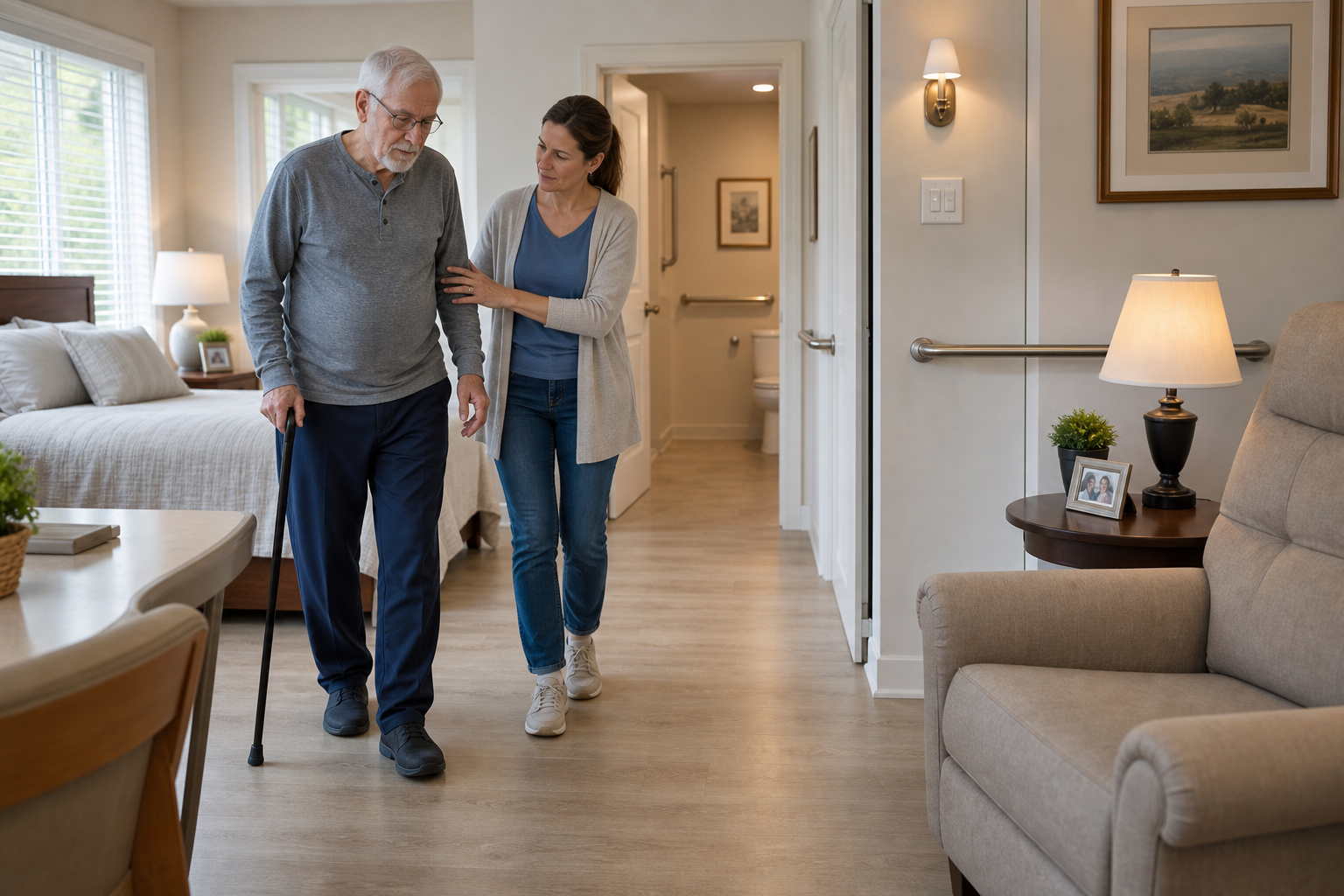
Furniture-related falls are a major concern in older adults because unstable seating, poor furniture placement, and unsafe walking paths can quickly create dangerous movement patterns inside the home. Furniture Safety For Seniors focuses on reducing these risks by improving stability, spacing, transfer support, and room organization.
Bedrooms are especially high-risk because many falls happen during nighttime movement, transfers in and out of bed, and navigation in low lighting conditions. Prevention starts with identifying unsafe furniture layouts before they create balance problems, trip hazards, or difficult transfer situations.
Small adjustments often produce significant improvements in safety. Stable chairs, secure tables, clear pathways, and properly positioned furniture can help support safer movement throughout the home.
Furniture Safety For Seniors Starts With Stable Seating
Stable seating is one of the most important parts of a safe home environment. Chairs that slide easily, recliners that tip unexpectedly, or soft couches that are difficult to stand up from can create serious balance problems. Older adults often use furniture for leverage during transfers, which means weak or unstable furniture can quickly contribute to falls.
Seat height matters because low cushions increase strain on the knees and hips during standing. Chairs with sturdy armrests usually provide better support during transfers than armless furniture. Lightweight chairs that shift under pressure should be removed from primary living areas.
Important seating improvements include:
• Replace unstable folding chairs with solid furniture
• Choose chairs with firm cushions and supportive backs
• Keep frequently used seating close to lighting controls
• Avoid deep couches that trap the hips below knee level
• Remove rolling chairs from bedrooms and living rooms
Furniture placement also affects transfer safety. Seating should allow direct standing movement without twisting around tables or decorative items.
Keep Furniture Pathways Open And Predictable
Walking paths should remain wide, direct, and free from unnecessary obstacles. Tight furniture arrangements often force older adults to turn sideways, step around objects, or walk through cluttered areas. These movement adjustments increase the likelihood of trips and loss of balance.
Many homes gradually become overcrowded over time. Extra side tables, decorative stands, storage baskets, and unused chairs can narrow pathways without the homeowner fully noticing the change. Rearranging furniture to support natural movement patterns is often one of the simplest fall-prevention improvements.
Useful pathway adjustments include:
• Keep primary walking areas at least several feet wide
• Remove decorative furniture from major walking routes
• Avoid placing tables directly beside bed exit areas
• Keep electrical cords behind furniture instead of across floors
• Position furniture to allow direct access to bathrooms
• Remove low furniture that blends into flooring at night
Clear pathways become even more important during nighttime movement when vision and reaction speed are reduced.
Aging in Place Checklist
Reduce Living Room Fall Risks From Low Or Unstable Furniture
Living rooms frequently contain some of the most dangerous furniture combinations in the home. Recliners, coffee tables, footrests, and decorative furniture can create difficult walking patterns that increase fall risk. Soft seating may also encourage unsafe leaning or awkward standing movements.
Furniture Safety For Seniors is particularly important in rooms where people spend long periods sitting and repeatedly transition between seated and standing positions throughout the day. Transfer fatigue can gradually affect balance, especially later in the evening.
Helpful living room improvements include:
• Replace glass coffee tables with stable, rounded-edge designs
• Remove movable footstools from major walking routes
• Keep remote controls within easy reach of seating
• Avoid oversized furniture that crowds the room
• Position lamps close to commonly used chairs
Heavy furniture should remain stable and not wobble under pressure. Chairs used daily should remain in fixed positions rather than be moved repeatedly around the room.
How to Prevent Falls in the Home
Arrange Bedroom Furniture To Support Safer Night Movement
Bedrooms require careful furniture placement because many falls occur during nighttime bathroom trips. Unsafe layouts can force people to walk around corners, squeeze between objects, or navigate in poor lighting conditions while partially awake.
The bed height should allow the feet to rest flat on the floor during sitting. Beds that are too high or too low increase the difficulty of transfers and reduce stability while standing. Nightstands should remain close enough for easy access without requiring stretching or twisting.
Bedroom safety improvements include:
• Keep direct walking paths between the bed and the doorway
• Remove decorative benches from bed exit areas
• Avoid placing rugs beside the bed
• Use stable nightstands with rounded corners
• Position lighting controls within easy reach of the bed
• Keep shoes and mobility devices in consistent locations
Closets should also remain organized so clothing or storage containers do not spill into walking areas.
Improve Dining Area Safety With Better Furniture Spacing
Dining areas are often overlooked during home safety planning, yet chairs, table legs, and crowded layouts can create significant movement problems. People carrying food or beverages may have reduced visibility while navigating around furniture.
Furniture Safety For Seniors also applies to dining chairs because many lightweight chairs slide unexpectedly while sitting or standing. Chairs with narrow legs or unstable frames can shift when weight is applied unevenly.
Safer dining area practices include:
• Keep enough space between chairs for mobility devices
• Use stable dining chairs with supportive backs
• Avoid rugs beneath dining tables
• Secure table extensions firmly before use
• Remove unnecessary decorative floor objects nearby
Table height should support a comfortable seated posture without excessive leaning. Good lighting around dining furniture improves visibility and helps reduce accidental collisions.
https://www.cdc.gov/vision-health/prevention/older-adult-falls.html
Prevent Trips From Decorative And Accent Furniture
Accent furniture can create hidden hazards because decorative pieces are often placed without considering movement patterns. Small tables, plant stands, magazine racks, and decorative trunks frequently occupy corners, hallways, and transition areas where visibility may already be limited.
Narrow hallways become especially dangerous when decorative furniture reduces usable walking space. Older adults may compensate by turning sideways or changing stride patterns, increasing instability.
Problematic decorative items commonly include:
• Low tables placed near doorways
• Narrow benches in hallways
• Decorative baskets stored on floors
• Plant stands beside stairs or entryways
• Magazine holders placed near seating exits
• Unsecured rolling carts used for storage
Lighting should clearly illuminate all edges of furniture, especially during nighttime movement. Furniture with sharp corners should be avoided in narrow walking areas.
Additional fall-prevention guidance is available through MedlinePlus:
https://medlineplus.gov/ency/patientinstructions/000493.htm
Create Safer Transfer Areas Around Beds And Chairs
Transfers involve moving from sitting to standing, standing to sitting, or repositioning during movement. These moments are common sources of falls because balance shifts rapidly while body weight changes direction.
Furniture Safety For Seniors should always consider how people physically move during transfers. Furniture positioned too close together may block natural standing motion, while unstable surfaces may slide unexpectedly during weight shifting.
Helpful transfer-area strategies include:
• Keep transfer areas free from clutter and cords
• Leave open standing space beside beds and chairs
• Use stable armrests for support during standing
• Avoid swivel chairs in primary living spaces
• Position walkers or canes within immediate reach
Lighting plays a major role in transfer safety because poor visibility increases hesitation and foot placement errors. Transfer areas should remain consistently arranged so movement patterns stay familiar.
System Context: Furniture safety directly supports broader aging in place planning because room layout, transfer stability, and walking clearance all influence fall risk inside the home. This page works together with the broader site structure to support safer daily movement and long-term independence.
Aging in Place Checklist
Review Furniture Placement As Needs Change Over Time
Home safety planning should remain flexible because mobility, strength, balance, and vision often change gradually over time. Furniture arrangements that once worked well may eventually become difficult or unsafe.
Periodic furniture reviews help identify developing problems before injuries occur. Small adjustments often make homes easier to navigate without requiring major renovations. Prevention usually works best when changes are made early rather than after a fall.
Useful long-term review strategies include:
• Reassess walking paths every few months
• Remove furniture that no longer serves a practical purpose
• Replace worn chairs that sink excessively
• Watch for new balance problems during transfers
• Improve lighting around furniture as vision changes
• Simplify crowded rooms to support easier navigation
Safer furniture placement supports independence by reducing unnecessary physical strain and improving confidence in movement throughout the home.
_____________________________________________________________________________________________________
Get clear, practical insights on aging in place sent occasionally, and only when useful.
No spam. No noise. Unsubscribe anytime.
______________________________________________________________________________________________________