Flooring Safety For Seniors
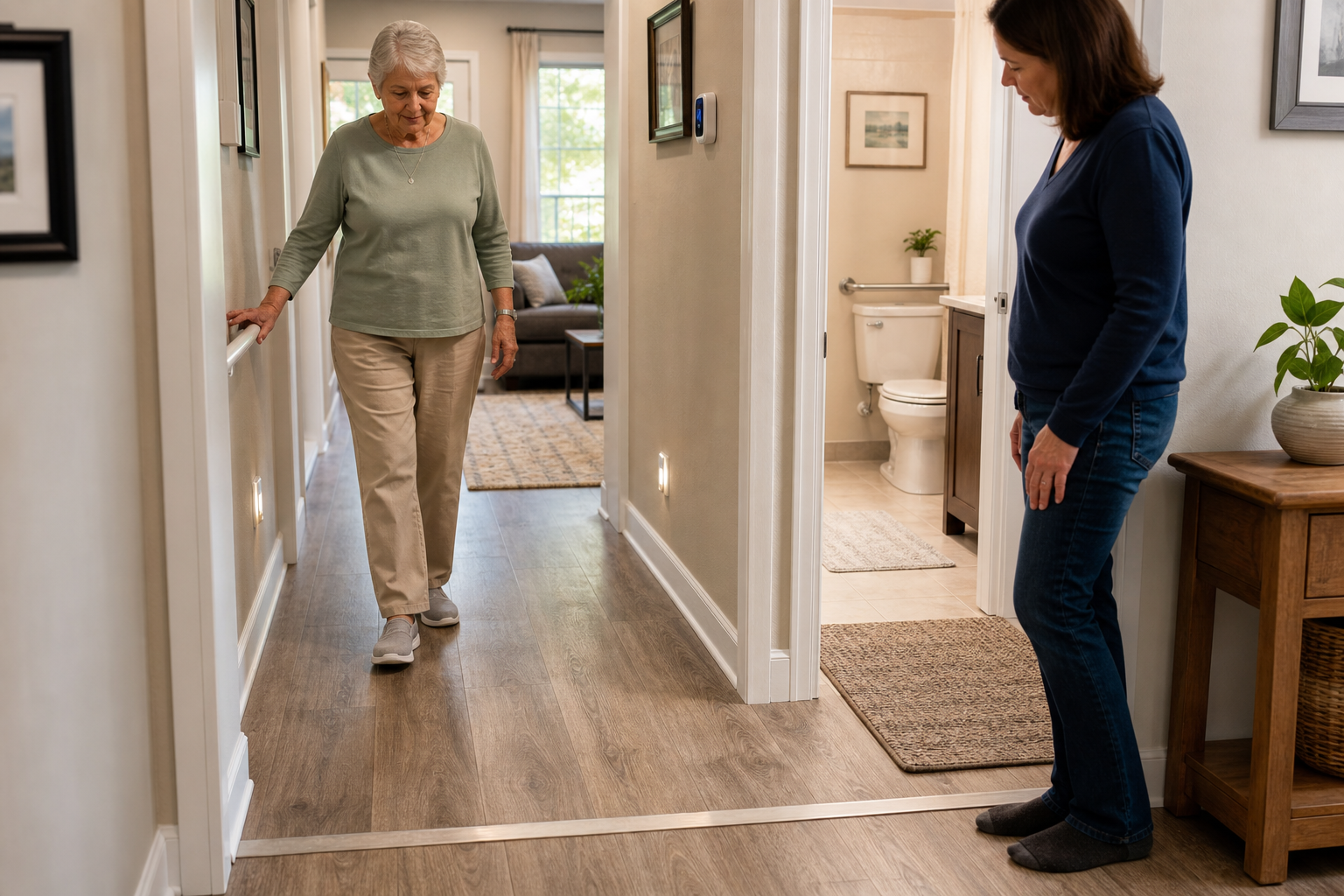
Falls often begin at ground level. Uneven surfaces, slippery materials, loose rugs, and poor transitions between rooms create serious hazards inside the home. Flooring Safety For Seniors focuses on reducing these risks through practical flooring choices, safer walking surfaces, and better movement patterns throughout the house.
Many older adults move carefully during the day but become vulnerable when distracted, carrying objects, turning quickly, or walking at night. Small flooring problems that younger people ignore can create major hazards for aging adults. Prevention begins by identifying unsafe surfaces and correcting them before an injury occurs.
Safe flooring does not require a complete remodel. Many improvements involve removing hazards, improving traction, organizing walking paths, and adjusting how rooms connect together. Small changes often produce major safety improvements when applied consistently throughout the home.
Flooring Safety For Seniors Starts With Stable Walking Surfaces
Hard, slippery flooring increases fall risk when traction decreases or balance changes suddenly. Flooring Safety For Seniors begins with identifying unstable surfaces and correcting them before movement becomes dangerous. High-gloss tile, polished concrete, worn vinyl, and slick laminate flooring often become hazardous during nighttime movement or when socks are worn indoors.
The safest walking surfaces provide consistent traction without abrupt changes between rooms. Flooring should remain stable underfoot without curling edges, shifting materials, or soft depressions that affect balance.
Important flooring corrections include:
- Remove loose throw rugs from major walking areas
- Replace curled mats near entrances and sinks
- Secure carpet edges using transition strips
- Repair uneven flooring immediately
- Avoid highly polished flooring finishes
- Keep pathways completely dry
Older adults often shuffle slightly when walking indoors. Even minor elevation changes can catch the foot unexpectedly. Flooring should support smooth, uninterrupted movement from room to room.
Consistent flooring texture matters more than decorative appearance. Sudden changes from carpet to tile or from smooth vinyl to textured flooring can affect foot placement and balance reactions.
Remove Trip Hazards From Major Walking Paths
Most indoor falls occur during routine movement through familiar areas. Hallways, bedroom paths, bathroom routes, and kitchen walkways should remain completely clear at all times. Small objects become especially dangerous during nighttime movement or while carrying items.
Many homes gradually accumulate minor hazards that residents stop noticing. Electrical cords, decorative baskets, pet items, low furniture, and floor clutter narrow walking space and increase fall risk significantly.
Common hazards to remove include:
- Extension cords crossing floors
- Magazine stacks near chairs
- Decorative floor plants
- Pet toys near walking areas
- Folded blankets near recliners
- Shoes left beside beds
Walking paths should remain wide enough for stable turning and natural stride movement. Tight pathways force awkward foot placement and increase instability.
Floor transitions deserve careful attention. Raised thresholds between rooms can catch the toes unexpectedly, especially when vision declines or lighting conditions change.
Choose Safer Rugs And Mats Throughout The Home
Rugs are one of the most common indoor fall hazards for older adults. Loose edges, sliding movement, and thick transitions create unstable footing during ordinary movement. Some rugs become more dangerous over time as backing materials wear down or corners begin curling upward.
Safer rugs should remain completely flat and resist movement underfoot. Thin, low-profile rugs with non-slip backing work better than thick decorative rugs with elevated edges.
Helpful rug safety practices include:
- Use non-slip rug pads under all area rugs
- Remove rugs from narrow hallways
- Avoid thick decorative rugs
- Replace curled or worn mats immediately
- Use beveled-edge mats near doors
- Keep rug placement consistent
Bathroom rugs create special concerns because moisture reduces traction dramatically. Mats placed near sinks, tubs, or showers should grip firmly without shifting.
Some older adults benefit from removing most rugs entirely. Simplified flooring layouts reduce visual confusion and create more predictable walking conditions throughout the home.
How to Prevent Falls in the Home
Improve Flooring Traction In Kitchens And Bathrooms
Kitchens and bathrooms combine hard flooring with moisture exposure, making them especially dangerous. Water spills, condensation, cooking grease, and cleaning products can reduce traction quickly. Flooring surfaces should support stable footing even during routine daily activity.
Slip-resistant flooring performs better than glossy surfaces in wet conditions. Textured vinyl, matte tile finishes, and low-slip composite flooring improve traction without creating difficult maintenance requirements.
Important traction improvements include:
- Clean spills immediately after they occur
- Use slip-resistant mats near sinks
- Avoid floor wax on tile surfaces
- Install textured flooring in wet zones
- Keep towels accessible to reduce dripping
- Improve ventilation to reduce condensation
Older adults often pivot frequently while cooking or moving between counters. Flooring should support smooth directional changes without sudden slipping.
Kitchen mats should remain thin and stable. Thick anti-fatigue mats sometimes increase trip risk for individuals with balance problems or reduced foot clearance.
Reduce Flooring Risks During Nighttime Movement
Nighttime falls often happen during sleepy movement between the bedroom and bathroom. Reduced lighting, slower reactions, and fatigue combine with flooring hazards to create dangerous conditions. Even familiar flooring becomes difficult to navigate in low visibility.
Many caregivers underestimate how much Flooring Safety For Seniors affects confidence during nighttime movement and daily transfers. Nighttime safety depends on consistency. Flooring layouts should remain predictable, uncluttered, and well illuminated during overnight movement.
Useful nighttime flooring improvements include:
- Install motion-sensor nightlights
- Keep walking paths completely open
- Remove bedroom floor clutter nightly
- Secure bedside rugs firmly
- Avoid dark rugs on dark flooring
- Place stable footwear beside the bed
Many falls occur when older adults rush toward the bathroom. Stable flooring becomes especially important during fast or distracted movement.
Flooring color contrast can improve visibility. Clear visual boundaries between walls, flooring, and furniture help older adults judge depth and placement more accurately during nighttime movement.
Maintain Flooring To Prevent Long-Term Safety Problems
Flooring deterioration happens gradually. Cracked tile, loose boards, frayed carpet, and worn surfaces often become normalized over time. Routine inspection helps identify hazards before injuries occur.
Reviewing Flooring Safety For Seniors every few months helps identify new hazards before they lead to a preventable fall. Maintenance should focus on stability, traction, and smooth transitions rather than cosmetic appearance alone. A floor that looks acceptable may still create movement hazards.
Important maintenance priorities include:
- Repair loose flooring immediately
- Replace worn carpet sections
- Refasten transition strips securely
- Check flooring after plumbing leaks
- Inspect for soft subfloor areas
- Monitor changes in traction over time
Water damage deserves immediate attention because weakened flooring may collapse or flex unexpectedly under pressure.
Cleaning products also affect safety. Some polishes and waxes create slick surfaces that increase slipping risk. Non-slip cleaning approaches generally support safer long-term movement patterns.
For additional public health guidance on reducing fall risks at home, review this NIH resource:
https://pmc.ncbi.nlm.nih.gov/articles/PMC5293217/
Coordinate Flooring Safety With Mobility Changes
Mobility changes affect how flooring should function inside the home. Individuals using canes, walkers, or support rails require more predictable surfaces and wider turning space. Flooring that once felt safe may become hazardous after balance or strength declines.
Supportive flooring allows assistive devices to move smoothly without catching or sliding unexpectedly. Thick carpet, uneven transitions, and unstable mats interfere with safe movement.
Mobility-focused flooring adjustments include:
- Widen walking routes for walker clearance
- Remove thick carpeting from mobility paths
- Secure flooring near grab bars
- Reduce sharp room transitions
- Keep surfaces level between connected rooms
- Eliminate unstable decorative mats
Furniture placement also affects flooring safety. Chairs should remain stable during sitting and standing movements without sliding across smooth flooring surfaces.
System Context: Flooring safety supports the larger goals of aging in place by reducing fall risks during ordinary daily movement. This page works together with other home safety guidance throughout the site to create a more complete prevention strategy focused on long-term independence and safer mobility inside the home.
Aging in Place Checklist
Build A Flooring Safety Routine That Supports Prevention
Safe flooring requires ongoing observation rather than one-time correction. Conditions change over time as materials wear down, furniture shifts, and mobility needs evolve. A preventive mindset helps identify risks before injuries occur.
Simple monthly inspections can reveal hazards early. Older adults and caregivers should review major walking routes regularly and correct problems immediately when discovered.
Helpful prevention habits include:
- Inspect rugs for movement every month
- Check flooring after furniture rearrangement
- Monitor slippery areas during humid weather
- Review nighttime walking paths weekly
- Replace worn mats before edges curl
- Keep major pathways consistently open
Flooring decisions should support predictable movement rather than decoration alone. Stability, visibility, traction, and clear walking routes matter more than appearance when preventing indoor falls.
Long-term aging in place depends heavily on reducing preventable injuries. Flooring safety becomes far more effective when combined with lighting improvements, safer room layouts, and organized movement patterns throughout the home.
_____________________________________________________________________________________________________
Get clear, practical insights on aging in place sent occasionally, and only when useful.
No spam. No noise. Unsubscribe anytime.
______________________________________________________________________________________________________