Life After Caregiving Ends
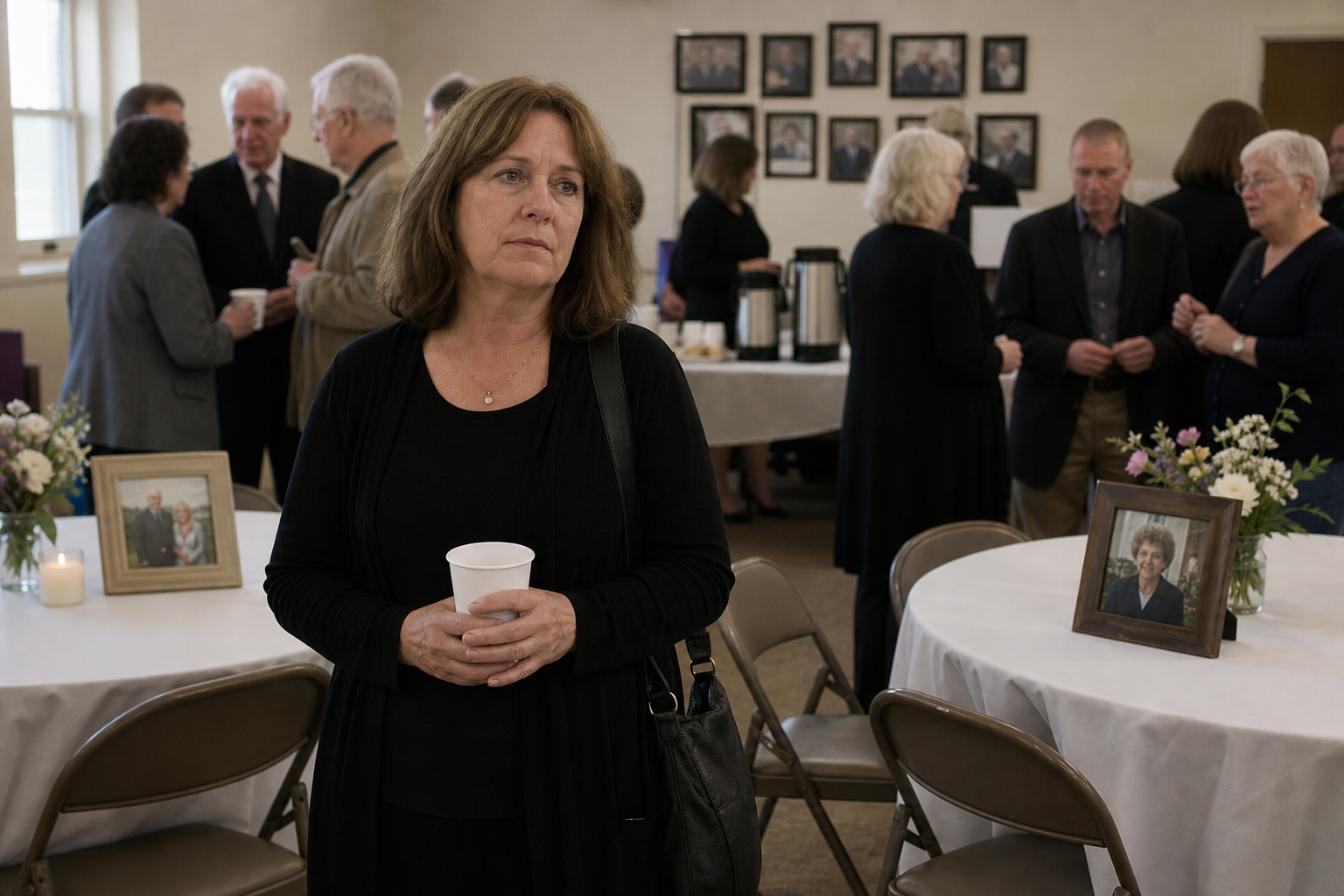
Life After Caregiving Ends often begins long before families expect it to. Caregiving can become so deeply woven into daily routines that many people struggle to imagine what life will look like afterward. Then one day the appointments stop, the medications are no longer needed, the monitoring ends, and the routines that structured every day suddenly disappear.
Many caregivers expect relief. Relief often comes, but it may arrive alongside exhaustion, grief, uncertainty, financial concerns, neglected health problems, and a surprising loss of purpose. These challenges are common yet rarely discussed openly.
Understanding Life After Caregiving Ends can help families prepare for the practical realities that often follow years of caring for a parent, spouse, or other loved one. Recognizing these challenges early may make the transition easier to manage.
Understanding Life After Caregiving Ends
Life After Caregiving Ends is often more complicated than many people expect.
Caregivers frequently spend years organizing their days around another person's needs. Medications must be given on schedule. Meals must be prepared. Safety concerns require constant attention. Medical appointments become routine. Even simple outings require planning.
When caregiving ends, many people suddenly discover that the structure governing their daily lives has disappeared.
Some experience relief.
Some experience sadness.
Many experience both simultaneously.
It is not unusual to feel uncertain about what to do next. The routines that once felt exhausting may also have provided direction and purpose.
The adjustment takes time.
Rebuilding Daily Structure
One of the first practical challenges involves rebuilding daily routines.
During caregiving, many activities become centered on another person's schedule. Afterward, entire portions of the day may feel unexpectedly empty.
Simple routines can help restore structure:
- Wake up at a consistent time.
- Schedule regular meals.
- Create a daily walking routine.
- Set aside time for household tasks.
- Reintroduce hobbies that were abandoned during caregiving.
- Maintain regular sleep schedules.
Many former caregivers discover they have spent years reacting to immediate needs rather than following personal goals.
Predictable routines can reduce the feeling that each day lacks direction.
Life After Caregiving Ends is often easier to manage when daily structure is rebuilt gradually rather than all at once.
This is a time to be a primary caregiver to yourself.
Catching Up On Neglected Health
Caregivers commonly postpone their own health concerns.
Routine medical appointments may be delayed.
Exercise may become inconsistent.
Sleep quality often declines.
Weight gain is common.
Weight loss can occur as well.
Some caregivers spend years lifting, transferring, assisting, and monitoring loved ones while ignoring their own physical limitations.
After caregiving ends, neglected health issues often become impossible to ignore.
Examples may include:
- Joint pain
- Back problems
- High blood pressure
- Weight gain
- Poor sleep habits
- Loss of strength and endurance
Improvement does not require dramatic changes.
Walking regularly, preparing healthier meals, improving sleep habits, and attending overdue medical appointments are often reasonable starting points.
The goal is not perfection. The goal is recovery from years of accumulated strain.
Avoiding Unhealthy Coping Habits
After caregiving ends, it is easy to overlook habits that gradually undermine health. Many former caregivers find themselves exhausted, grieving, isolated, or uncertain about what comes next. The sudden loss of daily responsibilities can leave a void that is not always easy to fill.
During this period, unhealthy habits can develop gradually. Physical activity may be replaced by hours spent sitting. Sleep schedules can become irregular. Convenience foods may replace healthier meals. Alcohol deserves particular attention because increased drinking often happens slowly and can be difficult to recognize.
A drink in the evening may become a daily routine. A daily routine may become several drinks. What begins as an attempt to relax or temporarily escape stress can gradually become a habit that works against recovery.
Research increasingly suggests that no amount of alcohol is completely risk-free. Alcohol can worsen sleep quality, contribute to weight gain, reduce motivation for physical activity, and may intensify symptoms of depression in some people.
Life After Caregiving Ends is often a good time to re-evaluate routines and focus on habits that support recovery. Walking regularly, eating healthier meals, improving sleep habits, rebuilding social connections, and reducing or eliminating alcohol consumption can all help restore physical and emotional well-being.
Recovery from caregiving is a time to rebuild health, not gradually erode it.
When Grief Does Not Follow A Predictable Timeline
Many people assume grief begins after death.
In reality, caregiving often involves years of gradual losses before death occurs.
A parent may lose mobility.
A spouse may lose memory.
A loved one may slowly become unable to participate in conversations, hobbies, or family traditions.
By the time caregiving ends, some grieving has already taken place.
Other emotions may appear much later.
A caregiver may feel relatively stable for months before suddenly becoming emotional while cleaning a room, sorting paperwork, or finding a familiar object.
There is no single timeline.
Life After Caregiving Ends often includes emotional reactions that appear unexpectedly during ordinary activities.
This does not necessarily indicate a problem. It is frequently part of adjusting to a major life change.
How To Cope With Dementia In A Parent
Returning To Work After Years Of Caregiving
Employment can become one of the most difficult practical challenges.
Many caregivers leave the workforce entirely or reduce employment significantly while caring for a loved one.
When caregiving ends, returning to work is not always straightforward.
Potential employers may see a gap in employment history without understanding what occurred during those years.
Caregivers often managed responsibilities such as:
- Medication oversight
- Appointment scheduling
- Transportation
- Financial management
- Meal preparation
- Household organization
- Safety supervision
- Emergency response
These responsibilities require substantial skill, but they rarely appear on a résumé.
Many former caregivers describe feeling as though society praises caregiving while simultaneously penalizing those who devoted years to providing it.
Financial recovery may take time.
Professional networks may need rebuilding.
Skills may require updating.
Confidence may need rebuilding as well.
Recognizing these realities can help former caregivers approach employment challenges with realistic expectations.
NIH Caregivers after Caregiving
Reconnecting With Other People
Long-term caregiving often narrows social circles.
Friends may drift away.
Invitations may be declined repeatedly.
Travel becomes difficult.
Spontaneous activities become rare.
After caregiving ends, reconnecting can feel awkward.
Some relationships resume easily.
Others do not.
A practical approach is usually best.
Start small:
- Call an old friend.
- Attend a community event.
- Visit family members.
- Participate in familiar activities.
Many caregivers discover that rebuilding social connections happens gradually through repeated contact rather than one major effort.
Caregiver Burnout Warning Signs
Managing The Home After Caregiving Ends
The home itself often reflects years of caregiving.
Certain rooms may contain medical equipment.
Supplies may remain stored in closets.
Furniture may have been rearranged for transfers, walkers, or wheelchairs.
Some people leave everything unchanged for long periods.
Others begin removing items immediately.
Neither approach is automatically right or wrong.
Practical decisions can be made over time.
Tasks might include:
- Organizing documents
- Sorting medications for disposal
- Rearranging furniture
- Addressing deferred maintenance
- Simplifying clutter
Many caregivers postponed household projects for years because caregiving responsibilities always came first.
Life After Caregiving Ends may create opportunities to restore parts of the home that received little attention during demanding caregiving periods.
It is also a time when grief and bereavement often become more noticeable as daily caregiving responsibilities fade.
For information about managing bereavement after caregiving ends, visit MedlinePlus.
Planning For The Next Stage Of Life
Life After Caregiving Ends eventually becomes less about caregiving and more about personal planning.
Many former caregivers begin paying closer attention to their own aging process.
Questions often emerge:
- What changes should be made to the home?
- What financial planning needs attention?
- What health habits need improvement?
- What support systems are available if help is needed later?
Years spent caring for another person often provide a clearer understanding of how quickly circumstances can change.
The most practical response is usually preparation rather than worry.
Preparing For Increasing Care Needs
Small improvements made today are often easier and less expensive than changes made during a crisis.
Life After Caregiving Ends does not erase the experiences gained during caregiving. Those experiences often provide valuable insight into maintaining independence, improving safety, and planning realistically for the future.
© 2026 Mark Fomenko. All rights reserved.
AgingInPlaceResource.com
Privacy Policy | Terms of Use | Disclaimer | Contact | Newsletter
Recent Articles


-
Aging In Place Resource Library
Sep 04, 26 08:30 AM
Aging In Place Resource Library -
Aging in Place Resource Newsletter
Aug 30, 26 11:16 AM
Aging in Place Resource Newsletter -
Aging in Place Resource: Simple Strategies for Living Safely at Home
Jul 28, 26 12:43 PM
 Aging in Place Resource provides practical guidance for aging in place. Learn how to live safely and independently at home with strategies for home safety, caregiving, planning, and long-term support.