Leg Weakness And Fall Risk In Seniors
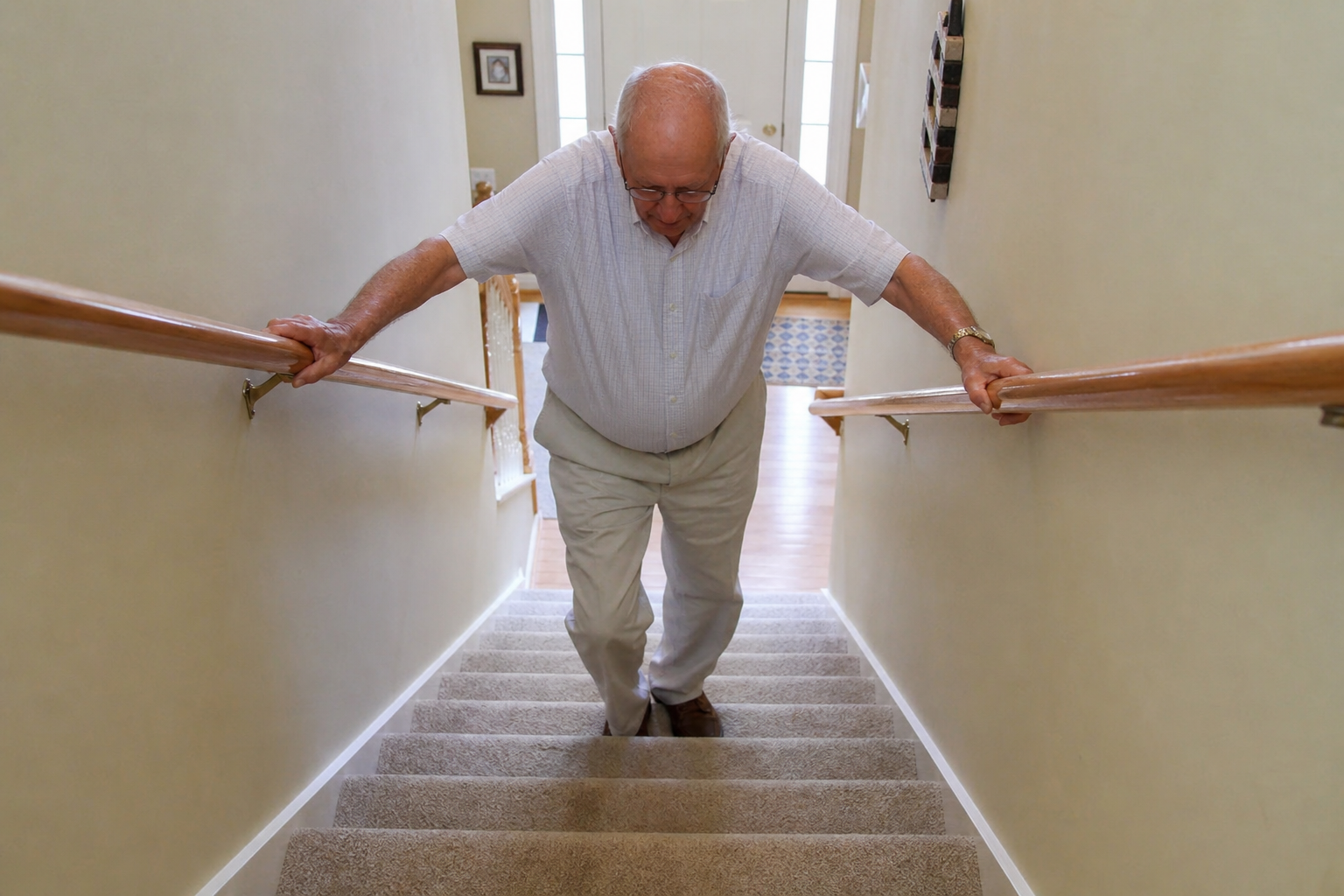
Leg Weakness And Fall Risk In Seniors often develop gradually. Many people do not notice the change at first because it happens over months or years rather than days. Standing up becomes harder, stairs require more effort, and walking longer distances feels increasingly tiring.
The problem is not simply weaker muscles. Leg weakness can affect balance, reaction time, confidence, and the ability to recover from a stumble. Small changes in strength often create larger changes in daily safety.
Understanding how leg weakness affects movement can help families identify problems early and make practical adjustments before a fall occurs.
The following is intended for older adults and seniors planning to age in place.
My mother was sedentary most of her life. When she was in her fifties, she would ask me about exercises she could do, but when I showed her a few simple movements, she decided they were too difficult. My father was more active when he was younger, but after hip replacement surgery, he largely treated recovery as an opportunity to sit and watch television. He received physical therapy instructions but never followed through with them. Trying to change their habits was impossible. Over time both became weaker, less mobile, and more dependent on others for help.
Their experience taught me that mobility is use it or lose it. The body adapts to activity, but it also adapts to inactivity. If you want to remain independent as long as possible, you need to move regularly. Hoping strength and mobility will be there when you need them is not a plan.
How Leg Weakness And Fall Risk In Seniors Are Connected
Leg weakness and fall risk in seniors are closely related because the legs perform most of the work required for standing, walking, turning, and recovering from balance disturbances.
A person may be able to walk across a room without difficulty yet struggle when:
- Rising from a low chair
- Climbing steps
- Carrying groceries
- Walking on uneven surfaces
- Turning quickly
- Standing after prolonged sitting
Many falls occur during transitions rather than while walking in a straight line. The simple act of standing up, turning toward a walker, or stepping around furniture may become difficult when leg strength declines.
Weakness often causes slower reactions. A younger person may recover from a trip by taking a quick corrective step. An older adult with weaker legs may not generate enough force quickly enough to prevent a fall.
The relationship between leg weakness and falls is not always obvious because many people remain reasonably mobile during familiar daily activities. Problems often appear when something unexpected happens. A loose rug shifts, a pet moves underfoot, or an object blocks a walking path. In these situations, the body must react quickly to maintain balance.
Strong legs help stabilize the body when balance is disrupted. They allow a person to take a quick step, change direction, or recover from a stumble before it becomes a fall. As strength declines, that margin for error becomes smaller.
This is one reason falls frequently occur during ordinary activities rather than obviously dangerous situations. Walking to the bathroom, carrying groceries from the car, stepping over a threshold, or getting out of a recliner may place more demands on the legs than people realize.
Balance and strength also work together. A minor balance problem may have little consequence when leg strength is good. However, when weakness develops, the same loss of balance may become much harder to correct.
Families often notice the connection first when a parent begins avoiding activities that require extra effort. Stairs are used less often. Long walks become shorter. Carrying laundry becomes difficult. These changes may seem unrelated at first, but they often reflect the body's attempt to compensate for declining strength and increasing instability.
Understanding this relationship helps explain why seemingly small changes in mobility can have a significant effect on fall risk.
When leg strength declines, everyday movements that once felt automatic may require more effort, more concentration, and greater attention to safety.
Common Signs Of Declining Leg Strength
Leg weakness rarely appears all at once. Families often notice small changes in daily routines before recognizing a larger pattern.
Common warning signs include:
- Using hands to push up from chairs
- Holding furniture while walking
- Avoiding stairs
- Walking more slowly
- Shorter walking distances
- Frequent complaints of tired legs
- Difficulty stepping into a bathtub
- Hesitation when getting in or out of a vehicle
Adult children frequently discover these changes during visits. A parent who sounds fine on the phone may be quietly modifying daily routines to compensate for weakness.
Sometimes the signs are subtle. A favorite room upstairs stops being used. Laundry begins accumulating because basement stairs feel difficult. Shopping trips become shorter. Walks around the neighborhood become less frequent. A person who once moved confidently may begin pausing before standing or looking for something stable to hold onto.
Some older adults adapt so gradually that they hardly notice the changes themselves. They may choose seating based on how easy it is to stand up from, avoid carrying heavy objects, or plan activities around opportunities to rest. These adjustments often develop long before anyone describes the problem as leg weakness.
Families may also notice changes in movement patterns. Standing up takes longer. Steps become shorter. Turning around may require several small movements instead of one smooth motion. Getting into a vehicle or stepping over a curb may require visible concentration and effort.
Fatigue often becomes more noticeable as well. Activities that were once routine may leave someone tired for the remainder of the day. Grocery shopping, household chores, or a medical appointment may require a lengthy recovery period afterward.
These changes do not always indicate a serious problem by themselves. However, when several of them appear together, they often suggest declining strength, reduced mobility, and increasing fall risk.
Recognizing the pattern early gives families more opportunities to make practical adjustments before a fall or injury occurs.
Daily Activities That Become Higher Risk
Leg weakness and fall risk in seniors become most noticeable during routine activities performed multiple times each day.
Getting out of bed may require several attempts. Rising from a recliner can become difficult because the seat position places extra demands on the thighs and hips.
Other higher-risk activities include:
- Carrying laundry
- Taking out trash
- Entering showers
- Walking while carrying food or drinks
- Retrieving items from low cabinets
- Reaching overhead while standing
Many of these activities combine movement, balance, and carrying objects at the same time. A person carrying a laundry basket or plate of food may be unable to use a handrail, steady themselves against a wall, or react quickly if they lose balance.
Simple household tasks can become surprisingly demanding. Bending to load a washing machine, stepping into a shower, carrying groceries from the car, or reaching into lower cabinets all place additional stress on weakened muscles. These movements often require balance adjustments that may no longer happen automatically.
Families frequently notice that an older adult begins modifying routines to avoid difficult tasks. Laundry may be postponed, certain rooms may be used less often, or commonly used items may be left on countertops to avoid repeated bending and lifting. These changes are often practical adaptations, but they may also signal growing mobility limitations.
Rushing often makes these situations worse. Many falls occur when someone tries to answer a ringing phone, respond to a doorbell, or hurry to the bathroom. What would normally be a manageable task can become hazardous when performed quickly.
The transition between activities deserves particular attention. Standing up from a chair, turning toward a walker, carrying an object across a room, and then sitting down again requires multiple movements that each place demands on balance and leg strength. A stumble frequently occurs during one of these transitions rather than during steady walking.
Predictable routines help reduce unnecessary risk. Keeping frequently used items within easy reach, minimizing unnecessary trips through the home, and avoiding rushed movements often provide more benefit than complicated safety equipment.
How To Prevent Falls In The Home
Improving Walking Paths Inside The Home
Clear walking paths become increasingly important as leg strength declines.
A person with strong legs can often recover from a small stumble. Someone dealing with leg weakness may not have the same margin for error. A minor obstacle that once went unnoticed can become a serious fall hazard when balance, strength, and reaction time are reduced.
Walking areas should be wide enough to allow:
- Comfortable walker use
- Easy turning movements
- Stable transfers
- Unobstructed travel between rooms
Common hazards include:
- Decorative stools
- Magazine racks
- Extension cords
- Plant stands
- Pet toys
- Small tables
Furniture placement matters more than many people realize. Narrow passageways often force awkward turns and side-stepping movements that increase instability. This becomes particularly important when carrying objects, using a walker, or moving through the home at night.
Pay attention to the routes used most often throughout the day. The path from the bedroom to the bathroom, the recliner to the kitchen, and the front door to the living area often receive the most traffic. These areas deserve special attention because they are where falls are most likely to occur.
Many older adults gradually develop predictable movement patterns. They may follow the same route through the house every day, reach for the same pieces of furniture for support, or pause at specific locations to regain balance. Observing these habits can reveal obstacles that might otherwise be overlooked.
Good lighting is equally important. Dim hallways make it harder to identify floor changes, objects, and trip hazards. Poor visibility becomes especially problematic during nighttime bathroom trips when fatigue and reduced alertness may already be affecting balance.
Families should occasionally walk through the home with fresh eyes. Items that have blended into the environment for years may create unnecessary risks. A decorative table that narrows a hallway, a basket placed near a doorway, or a power cord stretched across a room may not seem significant until someone with weakened legs tries to navigate around it.
Improving walking paths is often one of the simplest and least expensive ways to reduce fall risk. Small changes in furniture arrangement and household organization can create a safer environment without making the home feel institutional or restrictive.
Safe Transfers From Chairs, Beds, And Toilets
Many serious falls occur during transfers.
Moving from sitting to standing requires considerable leg strength. When strength decreases, people often compensate by pulling on furniture, grabbing unstable objects, or leaning excessively forward. These movements may work temporarily but can increase the likelihood of losing balance.
Helpful strategies include:
- Choosing chairs with firm cushions
- Using chairs with armrests
- Avoiding very low seating
- Keeping frequently used seating stable
- Positioning walkers before standing
Transfers often become difficult before walking itself becomes difficult. An older adult may appear reasonably steady while moving across a room yet struggle significantly when getting out of a recliner, rising from the toilet, or standing up after sitting for an extended period.
Watch for repeated rocking motions before standing. This often indicates that a person is struggling to generate enough force to rise safely. Using both hands to push off a chair, pausing after standing, or immediately reaching for nearby furniture may also indicate declining leg strength.
Toilet transfers deserve particular attention because they combine several fall risk factors. Bathrooms are often small, hard-surfaced environments where balance problems can have serious consequences. Low toilet seats may require substantially more effort to stand from than standard chairs.
Bed transfers present their own challenges. Individuals frequently become unsteady when standing immediately after waking. Blood pressure changes, stiffness, and grogginess can all contribute to instability during the first few minutes after getting out of bed.
Pausing briefly before walking can help reduce dizziness and improve balance. Sitting on the edge of the bed for a few moments before standing may also be helpful for some individuals.
Families should observe transfers whenever possible. Watching how a person rises from a favorite chair, gets out of bed, or uses the bathroom often reveals mobility problems that may not be apparent during normal conversation. Difficulty standing, hesitation, or reliance on nearby objects for support can provide early warning signs that additional safety measures may be needed.
Transfer safety is often less about strength alone and more about recognizing limitations before a fall occurs. Small adjustments to seating, routines, and room layout can significantly reduce risk while helping older adults maintain independence.
Transfer Safety And Aging In Place
Fatigue And End-Of-Day Fall Risk
Leg weakness and fall risk in seniors often worsen later in the day.
Many older adults function reasonably well in the morning but experience increasing instability as fatigue develops. Activities that seem manageable after breakfast may become noticeably more difficult by late afternoon or evening.
Signs of fatigue-related risk include:
- Dragging feet
- Shorter steps
- Slower walking speed
- More frequent furniture grabbing
- Increased reliance on walls for support
Caregivers sometimes notice that falls occur during evening hours rather than earlier in the day. After a full day of walking, standing, climbing stairs, preparing meals, and completing household tasks, weakened muscles may simply have less reserve available to maintain balance and stability.
Fatigue can also affect judgment. An older adult who normally uses a walker may decide to leave it behind for a short trip across the room. Someone who is tired may rush to finish a task rather than make multiple trips. Small decisions like these often contribute to falls.
The effects are not always obvious. A person may begin taking longer to stand from a chair, pause before climbing stairs, or sit down more frequently between activities. Others may avoid tasks entirely because they know they will feel exhausted afterward.
Energy conservation can be surprisingly effective. Spreading demanding activities throughout the day reduces physical strain and may improve overall safety.
Tasks such as laundry, cleaning, shopping, and meal preparation do not always need to occur on the same day. Breaking larger jobs into smaller steps can reduce fatigue while making daily routines more manageable.
Families should pay attention to when weakness appears most noticeable. Some people struggle primarily in the evening. Others become fatigued after shopping trips, medical appointments, or extended periods of standing. Recognizing these patterns often provides useful clues about when additional support or supervision may be needed.
Recognizing fatigue patterns allows families to make better decisions about scheduling activities and reducing unnecessary fall risk.
Strengthening Everyday Movement Safely
Leg weakness and fall risk in seniors do not always require elaborate exercise programs.
Many practical opportunities for movement already exist within daily routines. The goal is often to maintain strength and mobility through regular activity rather than occasional periods of intense effort.
Examples include:
- Short walks inside the home
- Standing during television commercials
- Gentle sit-to-stand practice
- Walking to retrieve mail
- Light household tasks
Simple activities performed consistently can help maintain muscle strength, balance, and confidence. Even brief periods of movement throughout the day may be beneficial for individuals who find longer exercise sessions difficult or intimidating.
Consistency usually matters more than intensity.
People often make the mistake of doing too much on good days and too little afterward because of soreness or exhaustion. This cycle can make it difficult to maintain progress and may increase fall risk when fatigue develops.
Gradual activity tends to be more sustainable. A short walk every day is often more practical than an ambitious exercise plan that is difficult to maintain. The safest approach is usually steady, predictable movement that becomes part of an everyday routine.
It is also important to recognize that movement should support safety rather than create additional risk. Activities should be performed at a comfortable pace and in areas free of clutter, loose rugs, or other tripping hazards.
When weakness progresses rapidly, becomes severe, or is accompanied by sudden balance changes, medical evaluation becomes important because underlying health issues may be contributing to the decline.
For additional information about fall prevention and physical activity, visit the CDC.
Home Safety Strategies For Long-Term Independence
Leg weakness and fall risk in seniors can rarely be eliminated entirely, but risk can often be reduced substantially through practical adjustments. In many homes, the greatest improvements come from addressing dozens of small hazards rather than making a single major change.
Successful aging in place usually involves many small improvements rather than one dramatic solution.
Examples include:
- Better lighting
- Reduced clutter
- Safer furniture placement
- Predictable daily routines
- Appropriate walking aids
- Improved footwear
- Realistic activity pacing
Good lighting is often overlooked. As leg strength declines, people have less ability to recover from unexpected obstacles. A loose rug corner, electrical cord, pet toy, or change in flooring that might have been ignored years earlier can become a significant hazard when balance and mobility are reduced.
Furniture arrangement also deserves periodic review. Many homes gradually accumulate small tables, decorative items, storage containers, and other objects that narrow walking paths. What once felt convenient may eventually force awkward turns, side-stepping, or reaching movements that increase fall risk.
Daily routines matter as well. Some older adults remain relatively steady when they move slowly and follow familiar patterns but become unstable when rushed. Hurrying to answer the telephone, carrying too many items at once, or making repeated trips up and down stairs can create unnecessary risk. Simplifying tasks and reducing unnecessary trips through the home often improves safety without reducing independence.
Appropriate footwear can make a surprising difference. Worn soles, loose slippers, and shoes that slide on smooth flooring frequently contribute to falls. Stable, properly fitting footwear provides a more secure base for walking and standing.
Walking aids should also be viewed realistically. Many people resist using a cane or walker because they associate them with loss of independence. In practice, the opposite is often true. A properly used mobility aid may allow someone to remain active and independent much longer than would otherwise be possible.
Activity pacing becomes increasingly important as strength declines. Many falls occur when fatigue sets in. An older adult may walk reasonably well in the morning but become noticeably less stable later in the day. Scheduling demanding activities during periods of higher energy can reduce risk while making daily life more manageable.
The goal is not creating a perfect environment. The goal is creating an environment that supports safe movement despite changing physical abilities. Most families are working with ordinary homes, limited budgets, and imperfect circumstances. Practical improvements that can be implemented immediately are often more valuable than expensive plans that never happen.
Families should periodically reevaluate the home because mobility needs often change over time. A setup that worked well a year ago may no longer be appropriate. Watching how a person actually moves through the house often reveals opportunities for improvement. Notice where they pause, where they steady themselves with furniture, where they struggle to stand, and where they appear most fatigued.
The most successful aging-in-place strategies are usually built on observation. Small adjustments made early can help maintain independence, reduce fall risk, and make everyday life safer and more manageable as physical abilities change.
Recognizing When Additional Help May Be Needed
Leg weakness and fall risk in seniors sometimes reach a point where existing routines are no longer sufficient. A person who managed reasonably well a year ago may begin struggling with activities that were once automatic.
Warning signs include:
- Multiple recent falls
- Near-falls occurring regularly
- Inability to rise from a chair independently
- Difficulty walking short distances
- Increasing dependence on furniture for support
- Fear of walking alone
Families often notice changes gradually. A parent may begin avoiding stairs, spending more time seated, or planning fewer outings because walking has become difficult. Walking speed may slow noticeably. Standing up from a recliner may require several attempts. Grocery bags, laundry baskets, and other everyday items may suddenly seem much heavier.
Some older adults begin arranging their lives around their physical limitations without mentioning it. They may stop using parts of the home, leave tasks unfinished, or avoid activities they once enjoyed because they are concerned about falling.
Adult children frequently discover clues during visits. Furniture may be positioned to create a series of handholds through the house. Frequently used items may be left on countertops rather than put away because bending, reaching, or carrying them has become difficult. A parent who once walked confidently may now pause before standing, hesitate at door thresholds, or hold walls while moving between rooms.
Fear of falling deserves attention as well. After a fall or near-fall, some people become reluctant to walk unless someone is nearby. This can lead to reduced activity, further muscle loss, and even greater mobility problems over time.
These changes do not automatically mean a move is necessary. In many cases, practical adjustments can improve safety and help preserve independence. Better lighting, removal of tripping hazards, use of appropriate mobility aids, rearranging furniture, and modifying daily routines may significantly reduce risk.
Many families discover that small interventions made early are far easier than responding after a serious injury. A fall resulting in a fractured hip, broken wrist, or hospitalization often creates challenges that are much harder to reverse.
The most effective approach is ongoing observation. Conversations alone rarely reveal the full picture. Watching how a person gets out of bed, rises from a chair, navigates stairs, carries objects, and moves through the home often provides a much clearer understanding of their actual level of risk.
Leg weakness and fall risk in seniors are practical realities faced by many families. Recognizing the signs early, reducing hazards, and adapting routines can help preserve independence while lowering the likelihood of a preventable fall.
© 2026 Mark Fomenko. All rights reserved.
AgingInPlaceResource.com
Privacy Policy | Terms of Use | Disclaimer | Contact | Newsletter
Recent Articles


-
Aging In Place Resource Library
Sep 04, 26 08:30 AM
Aging In Place Resource Library -
Aging in Place Resource Newsletter
Aug 30, 26 11:16 AM
Aging in Place Resource Newsletter -
Aging in Place Resource: Simple Strategies for Living Safely at Home
Jul 28, 26 12:43 PM
 Aging in Place Resource provides practical guidance for aging in place. Learn how to live safely and independently at home with strategies for home safety, caregiving, planning, and long-term support.