Fear Of Falling In Older Adults
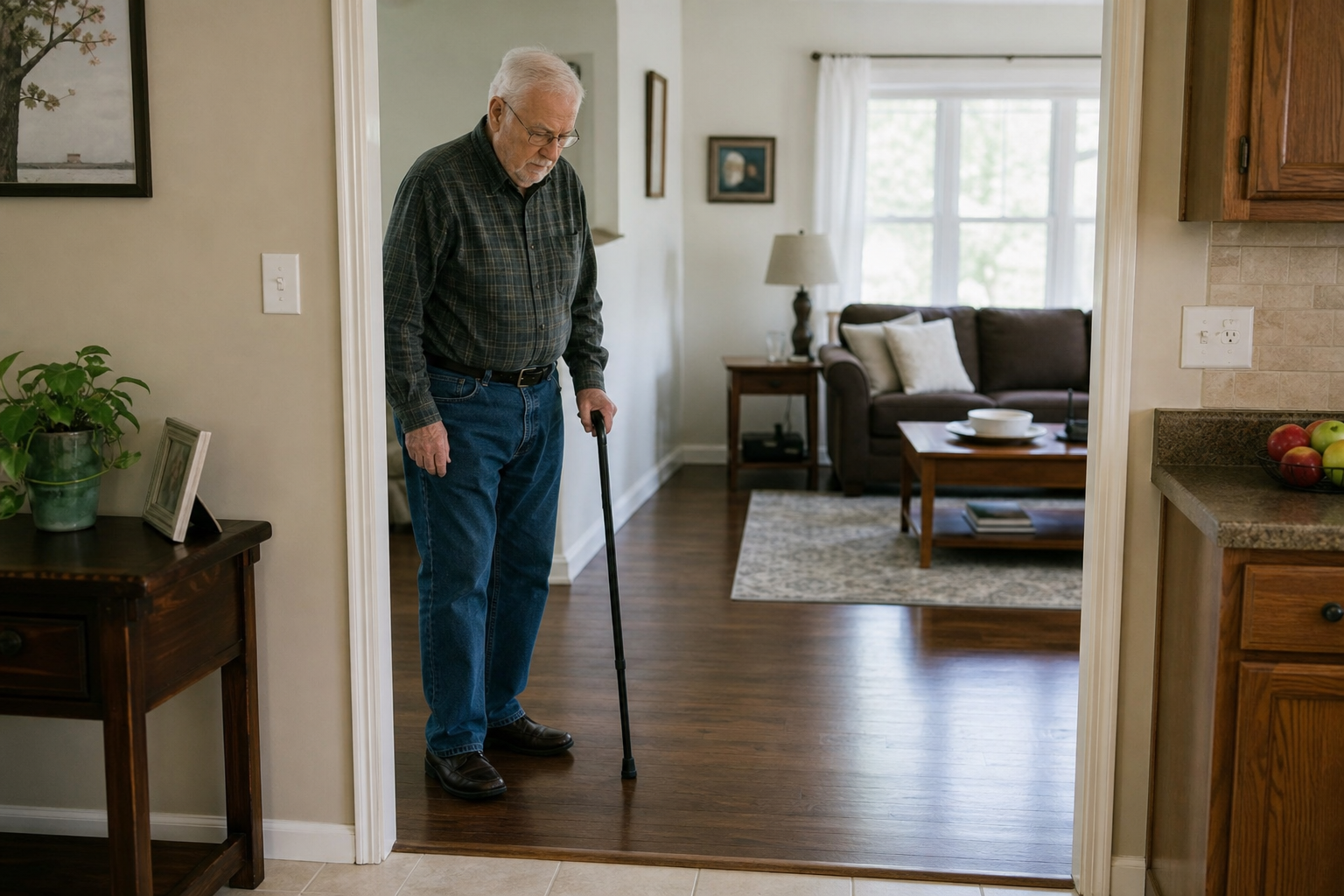
Fear Of Falling In Older Adults is common after a fall, near-fall, hospitalization, illness, or noticeable decline in strength and balance. Sometimes the fear develops after a specific incident. Other times it appears gradually as everyday movements begin to feel less stable.
In some cases, the possibility of falling becomes so concerning that people begin restricting activities they can still perform safely.
The problem is that fear itself can create additional difficulties. People who become worried about falling often start moving less, walking shorter distances, avoiding stairs, or limiting activities they previously handled without much thought. Over time this reduction in activity can contribute to weakness, poorer balance, and loss of confidence.
Fortunately, Fear Of Falling In Older Adults can often be reduced through practical changes, safer movement habits, and realistic adjustments to the home environment. The goal is not to eliminate all risk. The goal is to remain as active, independent, and safe as possible.
Understanding Fear Of Falling In Older Adults
Fear Of Falling In Older Adults is more than simple caution. Healthy caution helps people make safer decisions. Excessive fear can lead to avoiding normal activities that support strength and mobility.
Common situations that trigger fear include:
- A previous fall
- Watching a spouse or friend fall
- Recent hospitalization
- Changes in balance
- Difficulty standing from chairs
- Weakness after illness
- Medication side effects
- Loss of confidence while walking
Many older adults begin making small adjustments without realizing it. They stop going outside as often. They avoid carrying laundry. They use only certain rooms of the house. They become hesitant when turning, climbing steps, or walking across uneven surfaces.
These changes can gradually shrink daily life and reduce independence.
Fear does not always appear as obvious anxiety. More often it shows up as avoidance. A person may stop taking walks, decline invitations, or choose not to perform tasks that once felt routine. They may tell themselves they are simply being careful when they are actually becoming increasingly reluctant to move.
Adult children often notice these changes during visits. A parent who once moved confidently around the home may begin holding onto furniture, avoiding stairs, or asking for help with activities they previously handled alone. Sometimes the older adult does not recognize the pattern because the adjustments occurred gradually over months or years.
The challenge is finding a balance between caution and activity. Ignoring genuine fall risks can be dangerous, but avoiding movement entirely can create new problems. Understanding Fear Of Falling In Older Adults is often the first step toward making practical changes that improve safety while preserving independence.
How Reduced Activity Can Increase Risk
One of the most frustrating aspects of Fear Of Falling In Older Adults is that avoiding movement often creates additional physical decline.
Leg muscles weaken when they are used less frequently. Endurance decreases. Standing from chairs becomes harder. Walking distances become shorter. Balance reactions may become slower.
A person who avoids activity for several months may discover that simple tasks now feel more difficult than they did before.
Common examples include:
- Holding onto furniture while walking
- Needing several attempts to stand up
- Becoming tired after short walks
- Avoiding community activities
- Taking elevators instead of stairs when stairs remain manageable
- Remaining seated for much of the day
The change is often gradual. A person may stop taking daily walks after a fall or near-fall. Later they begin driving instead of walking short distances. Household chores are performed less frequently. Trips outside the home become less common. None of these changes seem significant by themselves, but together they can lead to noticeable physical decline.
Family members sometimes observe the effects during visits. A parent who once moved comfortably around the home may begin using furniture for support, avoid stairs, or become noticeably winded after routine activities. Walking speeds often slow as confidence decreases.
Unfortunately, reduced activity can create a cycle that reinforces Fear Of Falling In Older Adults. Less movement leads to weaker muscles and poorer balance. Reduced strength and balance then make everyday activities feel more difficult and intimidating. As confidence falls, activity levels may decline even further.
The goal is not aggressive exercise or pushing through unsafe situations. The goal is maintaining regular movement that preserves strength, mobility, and confidence. Small amounts of consistent activity are often more beneficial than occasional bursts of strenuous effort.
Identifying Situations That Trigger Fear
Many people benefit from identifying specific situations that create anxiety rather than viewing every activity as equally risky.
Ask yourself:
- Do I feel uneasy walking outside?
- Is getting out of bed difficult?
- Do stairs feel unsafe?
- Am I concerned about nighttime bathroom trips?
- Do I feel unstable carrying objects?
- Do I avoid showering when nobody is home?
Specific concerns are easier to address than a general feeling that everything has become dangerous.
For example, a person who fears nighttime falls may benefit from improved lighting and a clearer path to the bathroom. Someone worried about standing up safely may need to evaluate chair height and transfer techniques.
Fear often develops around particular activities rather than all movement. A person may feel comfortable walking through the living room but become anxious when carrying groceries from the car. Another may have little concern during the day but feel much less confident walking through the house at night.
Near-falls can also create lasting hesitation. Someone who slipped getting out of the shower or stumbled while stepping over a doorway threshold may begin avoiding that activity even if no injury occurred. Family members sometimes notice these changes before the older adult mentions them. A parent may stop using a certain staircase, avoid outdoor walks, or begin asking for help with tasks they previously handled alone.
Identifying patterns can reveal practical solutions. If fear occurs mainly when carrying objects, reducing the need to transport items between rooms may help. If concern centers on stairs, improving lighting, handrails, or daily routines may reduce anxiety. Understanding the exact source of concern helps focus attention on practical solutions rather than treating every activity as equally dangerous.
Making Walking Areas More Predictable
Many falls occur when people encounter unexpected obstacles, poor visibility, or crowded walking paths.
Walking areas should feel predictable and easy to navigate. The less a person has to think about where to place their feet, the more attention they can devote to maintaining balance.
Look for:
- Loose rugs
- Electrical cords
- Small furniture pieces
- Pet toys
- Storage boxes
- Clutter near doorways
- Narrow pathways between furniture
Furniture arrangements that seemed acceptable years ago may become problematic as mobility changes.
Walking paths should allow comfortable movement without twisting sideways or squeezing between objects.
A useful exercise is walking through the home while carrying a laundry basket or using a walker. Areas that feel awkward or cramped often reveal hazards that are easy to overlook.
Many people gradually adapt to difficult walking paths without realizing it. They memorize where obstacles are located and automatically step around them. The problem appears when lighting changes, fatigue increases, or attention is distracted.
Doorways, corners, and room transitions deserve particular attention. A narrow passage between a couch and end table may not seem problematic until someone begins using a cane or walker. The same route that felt comfortable ten years ago may feel completely different after a hospitalization, illness, or decline in strength.
Adult children frequently notice these issues during visits. A parent may have magazines stacked near a favorite chair, decorative tables narrowing a hallway, or storage boxes placed along a commonly used walking route. Because the arrangement developed gradually, the hazards may no longer stand out to the person living there.
Pets can also create unpredictable movement patterns. A dog or cat that sleeps in a walkway or follows closely behind its owner can create a tripping hazard, especially during nighttime bathroom trips.
The goal is not creating an empty house. The goal is creating clear, predictable paths between the locations used most often. Bedrooms, bathrooms, kitchens, and favorite seating areas should be connected by routes that are easy to navigate in both daylight and low-light conditions.
How To Prevent Falls In The Home
Improving Confidence During Transfers
Many people with Fear Of Falling In Older Adults are less concerned about walking than they are about standing up, sitting down, or getting in and out of bed.
Transfers place significant demands on balance and leg strength. A person who feels reasonably stable while walking may still feel unsteady during the first few seconds after standing.
Common problem areas include:
- Recliners that sit too low
- Soft couches
- Beds that are excessively high or low
- Chairs without armrests
- Crowded spaces around seating
People often rush transfers, especially when answering the phone, responding to a doorbell, or heading to the bathroom.
Safer habits include:
- Pausing before standing
- Standing fully before walking
- Using armrests when available
- Turning slowly
- Keeping assistive devices within reach
Many near-falls occur during the transition itself rather than while walking. A person stands up too quickly, loses balance momentarily, and grabs nearby furniture for support. Others take their first step before they are fully upright and stable.
Recliners can create particular challenges. Some sit so low that standing requires significant effort from the legs and hips. Power recliners that lift and tilt forward are often safer for older adults who struggle to stand from a seated position. Soft couches may allow a person to sink down comfortably but make it difficult to rise without rocking forward several times.
The area around frequently used chairs also deserves attention. Walkers, canes, side tables, footstools, and electrical cords can create obstacles during the first few steps after standing.
Adult children often notice changes during visits. A parent who once stood up easily may begin pushing heavily on armrests, taking several attempts to rise, or pausing for balance before walking. These changes may be subtle at first but often signal declining strength or growing concern about falling.
Improving transfer safety does not usually require major home modifications. Small adjustments to furniture placement, chair selection, and daily habits can make standing and sitting feel more predictable and less intimidating.
Transfer Safety And Aging In Place
Reducing Fear During Nighttime Movement
Nighttime movement creates challenges even in familiar homes.
Visibility decreases. Fatigue affects judgment. Many older adults move more cautiously after dark, especially if they have experienced a previous fall.
Simple improvements often help:
- Night lights in hallways
- Motion-activated lighting
- Clear pathways to bathrooms
- Frequently used items kept within reach
- Consistent furniture placement
A common scenario involves waking up, standing too quickly, and immediately beginning to walk. Briefly sitting on the edge of the bed before standing may reduce dizziness and improve stability.
Nighttime bathroom trips are a particular concern. An older adult may be half awake, wearing socks, and moving through a dark room while trying not to fully wake up. Objects that are easy to avoid during the day can become hazards at night.
Many people also develop routines that unintentionally increase risk. They may leave clothing on the floor, stack boxes in hallways, or move furniture without considering how the change affects nighttime walking paths.
Fear often develops after a close call. Someone catches a foot on a rug, loses balance while turning a corner, or stumbles in a dark hallway. Even if no injury occurs, the experience may make future nighttime movement feel less secure.
Simple environmental changes can make a significant difference. A clearly illuminated path from the bed to the bathroom is often more valuable than expensive equipment. The goal is reducing uncertainty so that routine nighttime movement feels predictable and manageable.
The Centers for Disease Control and Prevention provides additional information about fall prevention and risk factors.
Using Assistive Devices Without Feeling Defeated
Some people view walkers, canes, grab bars, or raised toilet seats as symbols of decline. Others resist using them because they fear appearing old or dependent.
In reality, assistive devices often help preserve independence.
A walker that allows safe movement throughout the home can make it easier to remain active. A grab bar may prevent a dangerous fall while requiring very little adjustment to daily routines.
Problems often occur when devices are available but not used consistently.
Common examples include:
- Leaving the walker across the room
- Carrying objects while using a cane
- Walking short distances without needed support
- Using damaged or poorly adjusted equipment
Many falls happen during activities that feel routine. Someone stands up from a recliner and decides to walk a few steps without the walker. A person uses the cane outdoors but leaves it behind when moving around the house. Familiar surroundings can create a false sense of security.
Adult children often become frustrated when a parent refuses equipment that appears obviously helpful. In many cases the resistance is not about the device itself. It may reflect embarrassment, habit, pride, or a desire to feel capable and independent.
The purpose of these tools is not restriction. Their purpose is making everyday movement safer and more predictable. When used consistently, they often help people remain active and independent longer than they otherwise could.
Building Confidence Through Small Successes
Fear tends to decrease when people repeatedly complete activities safely.
Large goals are often less effective than small daily successes. Someone who is afraid of falling may avoid walking around the neighborhood but feel comfortable walking to the mailbox. Another person may not feel ready for a long shopping trip but can safely walk through the house several times each day.
Examples of manageable activities include:
- Walking to the mailbox
- Completing a short indoor walking routine
- Standing from a chair several times daily
- Walking to the end of the driveway and back
- Navigating a familiar grocery store during quiet hours
- Using stairs safely when appropriate
- Taking short outdoor walks on level surfaces
Many older adults become trapped in a cycle where fear reduces activity, reduced activity increases weakness, and weakness increases fear.
This often happens gradually. A person stops taking walks after a near fall. A few months later they notice stairs feel more difficult. They become less willing to leave the house. Eventually activities that once felt routine begin to feel intimidating.
Small successes help interrupt this cycle.
A person who safely walks to the mailbox every day may gradually feel comfortable walking farther. Someone who practices standing from a chair several times each day may notice improved leg strength and confidence. Consistent movement helps maintain the physical abilities that support independence.
Family members sometimes encourage older adults to do too much too quickly. A better approach is often helping them identify activities they can complete safely and repeat regularly.
Progress does not need to be dramatic. Consistency matters more than intensity. The goal is maintaining confidence and mobility rather than proving what is possible on a particularly good day.
Staying Independent While Managing Fear
Fear Of Falling In Older Adults should be taken seriously, but it should not automatically lead to avoiding normal life.
The most successful aging-in-place strategies usually involve gradual adaptation rather than withdrawal. Homes are adjusted. Walking paths are simplified. Lighting is improved. Habits become more deliberate. Assistance is accepted when it genuinely improves safety.
Many adult children first notice Fear Of Falling In Older Adults during visits. A parent who once moved comfortably through the home may hesitate at stairs, hold onto furniture, or avoid certain rooms altogether. These observations often provide useful clues about where improvements are needed.
The objective is not perfect safety. No home can guarantee that. The objective is reducing unnecessary risk while preserving mobility, confidence, and independence for as long as possible.
© 2026 Mark Fomenko. All rights reserved.
AgingInPlaceResource.com
Privacy Policy | Terms of Use | Disclaimer | Contact | Newsletter
Recent Articles


-
Aging In Place Resource Library
Sep 04, 26 08:30 AM
Aging In Place Resource Library -
Aging in Place Resource Newsletter
Aug 30, 26 11:16 AM
Aging in Place Resource Newsletter -
Aging in Place Resource: Simple Strategies for Living Safely at Home
Jul 28, 26 12:43 PM
 Aging in Place Resource provides practical guidance for aging in place. Learn how to live safely and independently at home with strategies for home safety, caregiving, planning, and long-term support.