Daily Routines for Aging in Place
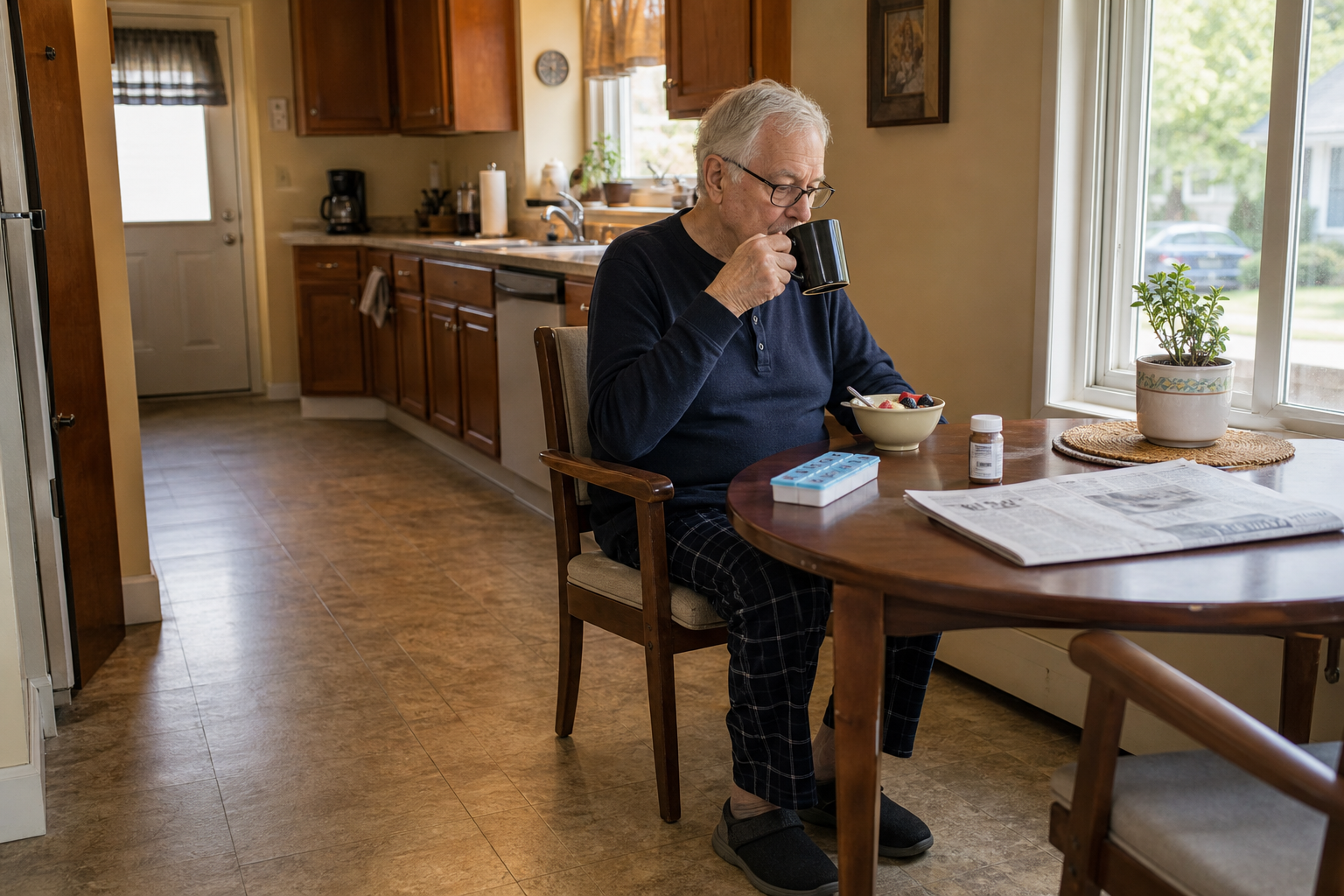
Daily Routines for Aging in Place are the ordinary habits that make home life safer, easier, and more predictable. A good routine reduces rushing, limits unnecessary movement, and helps older adults avoid small hazards before they become serious problems.
The goal is not to make life rigid. The goal is to make daily living more manageable. Simple routines around waking, bathing, dressing, eating, walking, resting, and preparing for bed can support independence without expensive remodeling or complicated systems.
Daily Routines for Aging in Place Reduce Movement Risks
Daily routines should make movement safer before a fall happens. Many home accidents occur during ordinary tasks, not unusual ones. Getting out of bed, walking to the bathroom, reaching for clothing, carrying laundry, preparing food, and answering the door can all become risky when routines are rushed or poorly arranged.
A safer routine begins by noticing where effort, imbalance, and confusion happen most often. The problem is usually not one dramatic hazard. It is often a chain of small risks: poor lighting, clutter near a walkway, an item stored too high, slippery footwear, or trying to do too much at once.
Useful routine changes include:
- Sit at the edge of the bed before standing.
- Turn on the lights before walking across a room.
- Keep glasses, phone, and water within easy reach.
- Use stable shoes before starting morning tasks.
- Move slowly after sitting for a long time.
- Keep commonly used items between waist and shoulder height.
Daily Routines for Aging in Place work best when the home supports the person’s real habits instead of forcing constant adjustment.
Start The Morning Without Rushing
Morning routines should reduce sudden movement. Many older adults are less steady immediately after waking, especially if they slept poorly, feel stiff, or need to use the bathroom quickly. A safer morning begins before the person gets out of bed.
Keep the bedside area simple and predictable. A lamp should be easy to reach. Glasses should be in the same place every night. Shoes or slippers should be positioned where they can be put on without reaching awkwardly. If a cane or walker is used, it should be within reach before standing.
A practical morning sequence may include:
- Turn on the bedside light before sitting up.
- Sit upright for a moment before standing.
- Put on secure footwear before walking.
- Use the same clear path to the bathroom.
- Avoid carrying loose blankets, clothing, or multiple items.
- Pause before stepping onto tile, rugs, or transitions.
Morning routines do not need to be complicated. They need to be repeatable. A predictable first hour can reduce rushing and make the rest of the day safer.
For more insights, see Everyday Habits That Reduce Fall Risk.
Make Bathroom Habits Safer
Bathroom routines deserve special attention because water, tile, low toilet seats, and tight spaces increase the risk of falls. A person may be steady in the living room but unsafe during bathing, toileting, or dressing after a shower.
The safest bathroom routine starts before entering the room. Towels, clean clothing, soap, and toiletries should be ready before bathing begins. This reduces the need to reach, turn, and step out of the tub or shower to retrieve forgotten items.
Helpful changes include:
- Place a towel within easy reach before showering.
- Use a non-slip bath mat outside the tub or shower.
- Keep soap and shampoo at waist-to-chest height.
- Sit while drying feet or putting on socks.
- Remove loose rugs that slide or bunch.
- Leave the light on for nighttime bathroom trips.
Daily Routines for Aging in Place should treat the bathroom as a high-priority safety zone, not just another room.
For more detailed setup ideas, see Bathroom Safety For Seniors.
Build Safer Meal And Kitchen Routines
Kitchen routines should reduce the need to carry, reach, bend, and multitask. Cooking can become unsafe when an older adult tries to move quickly between counters, appliances, cabinets, and the refrigerator.
Simple changes can make daily meals easier. Frequently used dishes, mugs, pans, and food items should be stored where they are easy to reach. Heavy items should not be placed overhead. A small tray, rolling cart, or stable counter sequence can reduce the need to carry several things at once.
Practical kitchen habits include:
- Set ingredients on the counter before cooking.
- Use the front burners when possible.
- Turn pot handles inward.
- Wipe spills immediately.
- Sit for longer preparation tasks.
- Keep a clear path between the stove, sink, and table.
Meal routines should also account for fatigue. Preparing food earlier in the day may be safer than cooking when tired. Reheating simple meals can be safer than starting a full dinner late in the evening.
For related organizational ideas, see Senior-Friendly Kitchen Organization.
Use Scheduled Rest To Prevent Fatigue Mistakes
Rest is a safety tool, not a sign of failure. Many falls and household mistakes happen when someone keeps pushing after strength, balance, or attention has already declined for the day.
A good daily routine builds in rest before fatigue becomes obvious. This may mean sitting after bathing, resting before preparing lunch, or breaking housework into short tasks. The key is to stop before movement becomes careless.
Useful habits include:
- Sit after showering before getting dressed.
- Divide laundry into smaller loads.
- Carry fewer items per trip.
- Rest before leaving the house.
- Avoid rearranging furniture or cleaning when tired.
- Do harder tasks earlier in the day.
Daily Routines for Aging in Place should match real energy levels. A routine that works at 9 a.m. may not be safe at 7 p.m. Planning around that difference helps preserve independence instead of pretending every hour is the same.
For reducing trip hazards during daily movement, see Decluttering For Senior Safety.
Keep Walking Paths Predictable
Walking paths should stay consistent from day to day. Older adults often move safely through familiar spaces because their bodies remember where furniture, tables, rugs, and doorways are. Changing those pathways too often can create unnecessary risk.
A predictable path is especially important between the bedroom, bathroom, kitchen, favorite chair, and entry door. These are the routes used most often. They should be wide enough, well lit, and free of objects that require stepping around.
Good daily habits include:
- Return shoes, bags, and laundry baskets to the same place.
- Keep extension cords out of walking paths.
- Push chairs fully under tables after meals.
- Remove pet toys from main walkways.
- Keep hallway lights working.
- Check rugs for curled edges.
Daily routines should also include a quick evening reset. This does not need to be a major cleaning session. A few minutes spent clearing the main walkway can make nighttime movement safer.
For general fall-prevention guidance, MedlinePlus offers practical information on preventing falls at home: https://medlineplus.gov/ency/patientinstructions/000021.htm
Prepare For Nighttime Movement Before Bed
Nighttime routines should assume that someone may wake up groggy, hurried, or disoriented. The safest time to prepare for nighttime walking is before going to bed.
The path from bed to bathroom should be simple. Lighting should be easy to use. The floor should be clear. Footwear should be nearby. A phone should be within reach, not across the room. These small arrangements matter because nighttime decisions are often made while half awake.
Before bed:
- Turn on a nightlight in the hallway or bathroom.
- Place glasses in the same bedside location.
- Keep a phone within arm’s reach.
- Move laundry baskets away from the bed path.
- Place secure footwear beside the bed.
- Avoid leaving drawers or closet doors open.
Daily Routines for Aging in Place are most useful when they reduce decisions at the worst times of day. Nighttime is one of those times.
For more help with evening and overnight hazards, see Nighttime Safety For Seniors.
Review Routines As Abilities Change
Daily routines need occasional review because aging in place is not static. A routine that worked last year may be too demanding now. Changes in balance, vision, strength, memory, sleep, or medication effects can make old habits less safe.
Families should watch for practical signs. Is the person using furniture for support? Are meals becoming simpler? Is laundry piling up because stairs are harder? Are bathroom trips becoming rushed? Are lights being left off to avoid bothering someone else? These observations often reveal where the routine needs adjustment.
A useful review includes:
- Watch one ordinary morning routine.
- Notice where reaching or leaning happens.
- Check whether commonly used items are too high or too low.
- Ask which tasks feel harder than they used to.
- Remove one avoidable hazard at a time.
- Adjust the routine before a fall forces the issue.
The Aging in Place Checklist can help connect daily habits with home safety, fall prevention, and realistic planning. The point is not to control every moment. The point is to make ordinary movement safer, easier, and less tiring.
© 2026 Mark Fomenko. All rights reserved.
AgingInPlaceResource.com
Privacy Policy | Terms of Use | Disclaimer | Contact | Newsletter
Recent Articles


-
Aging In Place Resource Library
Sep 04, 26 08:30 AM
Aging In Place Resource Library -
Aging in Place Resource Newsletter
Aug 30, 26 11:16 AM
Aging in Place Resource Newsletter -
Aging in Place Resource: Simple Strategies for Living Safely at Home
Jul 28, 26 12:43 PM
 Aging in Place Resource provides practical guidance for aging in place. Learn how to live safely and independently at home with strategies for home safety, caregiving, planning, and long-term support.