Low-Cost Home Modifications For Seniors
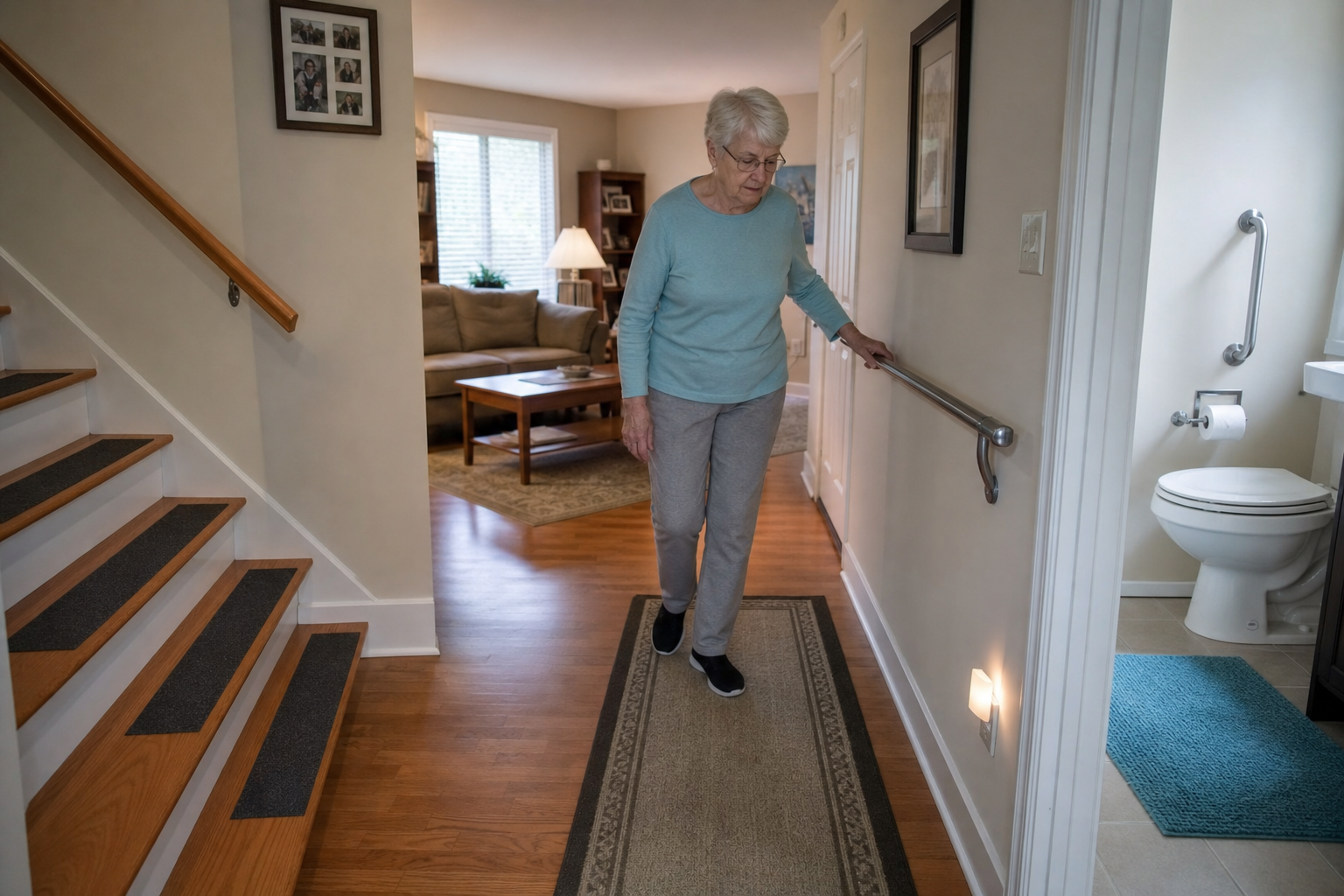
Many homes contain hidden hazards that become more dangerous with age, especially as mobility, balance, vision, or reaction time change. Low-Cost Home Modifications For Seniors can reduce these risks without requiring expensive renovations, contractors, or major remodeling projects. Small environmental changes often make daily movement safer and more manageable.
Falls frequently happen during ordinary activities such as getting out of bed, stepping into a bathtub, carrying laundry, or walking through poorly lit hallways. Prevention usually starts with practical adjustments that improve stability, visibility, and accessibility inside the home. Affordable modifications can help older adults remain independent longer while reducing unnecessary reliance on institutional care.
Many useful changes can be completed gradually over time. A safer home does not need to look clinical or heavily modified. In most cases, the best improvements are simple, inexpensive, and easy to maintain.
Low-Cost Home Modifications For Seniors That Reduce Fall Risks
The most effective Low-Cost Home Modifications For Seniors usually focus on preventing slips, trips, and unstable movement patterns inside the home.
Many fall hazards develop slowly and become “normal” to the people living there. Loose rugs, poor lighting, narrow pathways, uneven flooring, and unstable furniture often remain unnoticed until a fall occurs. Simple environmental changes can dramatically improve movement safety without requiring expensive remodeling.
Important low-cost improvements include:
- Remove throw rugs that slide on hard floors
- Add non-slip backing beneath essential area rugs
- Secure electrical cords against walls
- Rearrange furniture to create wider walking paths
- Install brighter LED bulbs in dark rooms
- Use motion-sensor night lights near bathrooms
- Place frequently used items within easy reach
- Add inexpensive stair tread strips for traction
Many older homes also contain flooring transitions between rooms that create subtle trip hazards. Even a small height difference between surfaces can catch a shoe or mobility aid. Transition strips are inexpensive and widely available.
Furniture placement matters more than many people realize. Sharp turns around tables, crowded hallways, and decorative objects placed near walking paths can force unstable movement patterns that increase fall risk throughout the day.
Improving Bathroom Safety Without Expensive Remodeling
Bathrooms are among the most dangerous areas in the home because water, smooth flooring, and confined spaces create multiple hazards at once. Fortunately, many effective modifications are inexpensive and easy to install.
Simple upgrades can improve stability without turning the bathroom into a medical-looking environment. Most people benefit more from practical adjustments than from expensive renovations.
Affordable bathroom safety improvements include:
- Install suction-free grab bars anchored into wall studs
- Add non-slip adhesive strips inside tubs and showers
- Use a handheld shower head for seated bathing
- Replace slippery bath mats with rubber-backed versions
- Raise low toilet seats with inexpensive seat risers
- Improve lighting near mirrors and shower entrances
- Store towels and toiletries at waist height
- Add a shower chair with rubber feet
Many falls occur when stepping over the edge of a bathtub. A stable grab bar, combined with non-slip surfaces, often significantly reduces this risk.
Some families immediately assume a full bathroom remodel is necessary, but targeted changes usually provide meaningful safety improvements at a much lower cost.
Rearranging Furniture To Create Safer Walking Paths
Furniture arrangement has a major effect on daily mobility inside the home. Tight corners, crowded rooms, and unstable furniture increase the likelihood of falls, especially when carrying items or using mobility aids.
Older adults often adapt to unsafe layouts without realizing how much extra effort certain movement patterns require. Clearing wider walking paths can improve balance and reduce fatigue throughout the day.
Helpful furniture adjustments include:
- Remove small decorative tables from narrow pathways
- Anchor unstable bookshelves and cabinets to walls
- Position chairs near common transition points
- Avoid glass furniture near major walking routes
- Keep pet beds and baskets out of traffic areas
- Create direct pathways between the bedroom and the bathroom
- Reduce clutter near entryways and hallways
Furniture height also matters. Extremely low couches and soft chairs make standing difficult and can increase strain on knees and hips. Furniture risers are inexpensive and can immediately improve transfer safety.
Lighting should support the furniture layout. A safe pathway during daytime hours may become hazardous at night if shadows obscure obstacles or corners.
Low-Cost Lighting Improvements That Increase Visibility
Poor lighting contributes to a large percentage of household falls. Many homes simply do not provide enough illumination for aging eyes, especially during nighttime movement.
Better lighting does not require expensive electrical work. In many cases, replacing bulbs and improving light placement creates substantial safety improvements.
Affordable lighting upgrades include:
- Replace dim bulbs with brighter LED bulbs
- Add motion-sensor lighting near bathrooms
- Install plug-in night lights along hallways
- Increase lighting near stairs and entryways
- Use touch lamps instead of hard-to-reach switches
- Add under-cabinet lighting in kitchens
- Reduce glare by using lamp shades or indirect lighting
Light consistency is also important. Sudden transitions from bright to dark areas can temporarily reduce visibility and depth perception. Hallways, stair landings, and bathrooms should remain evenly illuminated whenever possible.
Natural light matters as well. Heavy curtains and blocked windows often create unnecessary darkness during daytime hours. Rearranging furniture to increase daylight exposure can improve visibility at no cost.
Many families underestimate how difficult nighttime navigation becomes with reduced vision. Small lighting improvements often create immediate benefits for confidence and stability.
Making Bedrooms Safer With Simple Modifications
Bedrooms should support safe movement during both daytime and nighttime hours. Many falls occur when getting into or out of bed, particularly during overnight bathroom trips.
A safer bedroom does not need expensive specialty equipment. Most improvements focus on stability, accessibility, and visibility.
Useful bedroom modifications include:
- Raise low beds using inexpensive risers if necessary
- Place a stable lamp within easy reach of the bed
- Keep pathways free of shoes and storage bins
- Use non-slip flooring beside the bed
- Secure extension cords away from walking areas
- Add motion lighting between the bed and the bathroom
- Keep phones and emergency contacts nearby
- Avoid overly soft mattresses that complicate transfers
Bed height is especially important. A bed that is too low forces excessive effort when standing. A bed that is too high can increase instability when getting up at night.
Many older adults also benefit from reducing unnecessary furniture inside the bedroom. Decorative benches, storage baskets, and crowded corners often create avoidable obstacles.
Affordable Stair Safety Improvements That Matter
Stairs remain one of the highest-risk areas in many homes. Even healthy older adults may struggle with poor lighting, slippery surfaces, inconsistent step heights, or weak railings.
Fortunately, several effective stair modifications are relatively inexpensive and easy to complete.
Practical stair safety improvements include:
- Install secure handrails on both sides when possible
- Add high-contrast stair edge tape
- Improve overhead stair lighting
- Remove loose carpet runners
- Use non-slip stair tread covers
- Keep steps completely free of stored items
- Repair uneven or damaged stair surfaces
- Add motion-sensor lighting near stair entrances
Visual contrast becomes increasingly important with age. Stairs that blend into the surrounding flooring can be difficult to judge accurately, especially in dim light.
Some families assume stair lifts are the only solution, but Low-Cost Home Modifications For Seniors suggests implementing simpler interventions first. Better lighting, traction, and rail stability often improve safety substantially at a much lower cost.
https://www.nia.nih.gov/health/falls-and-falls-prevention/preventing-falls-home-room-room
Small Kitchen Changes That Improve Daily Safety
Kitchens require constant reaching, turning, lifting, and standing. Small environmental improvements can reduce strain while improving efficiency and safety during meal preparation.
Many accidents occur because commonly used items are stored too high, too low, or too far away. Better organization often improves safety immediately.
Helpful kitchen modifications include:
- Store daily-use items between waist and shoulder height
- Use shelf liners to reduce slipping
- Replace unstable step stools with safer alternatives
- Improve lighting above counters and sinks
- Keep frequently used cookware easily accessible
- Remove loose rugs from kitchen floors
- Add pull-out organizers inside lower cabinets
- Use lightweight cookware when possible
Countertop clutter also creates unnecessary hazards. Small appliances, bags, papers, and cords can reduce workspace and force awkward movements.
Floor condition matters greatly in kitchens because spills are common. Smooth tile floors become especially dangerous when wet. Simple anti-slip mats placed securely near sinks can significantly improve traction.
Low-Cost Home Modifications For Seniors work best when they support normal daily routines instead of forcing people to constantly adapt to unsafe environments.
Building A Safer Home One Step At A Time
Many families delay safety improvements because they assume aging-in-place modifications require large financial investments. In reality, gradual low-cost changes often provide meaningful protection while preserving comfort and independence.
The most effective strategy is usually consistent incremental improvement. Small modifications completed over time can dramatically improve overall home safety without creating financial strain.
Useful long-term priorities include:
- Address the highest-risk hazards first
- Improve nighttime visibility throughout the home
- Simplify walking routes between major rooms
- Reduce clutter regularly
- Reevaluate furniture placement every few months
- Upgrade problem areas gradually instead of all at once
- Monitor changes in balance and mobility realistically
- Focus on prevention before accidents occur
Many successful aging-in-place environments evolve naturally over several years rather than through major remodeling projects. Practical adaptation usually works better than trying to create a perfect home immediately.
Low-Cost Home Modifications For Seniors fit naturally into broader fall-prevention planning because environmental safety affects nearly every daily activity inside the home. Small adjustments made early often reduce larger problems later and help older adults remain independent longer without unnecessary institutional care.
_____________________________________________________________________________________________________
Get clear, practical insights on aging in place sent occasionally, and only when useful.
No spam. No noise. Unsubscribe anytime.
______________________________________________________________________________________________________