Housing Choices for Later Life
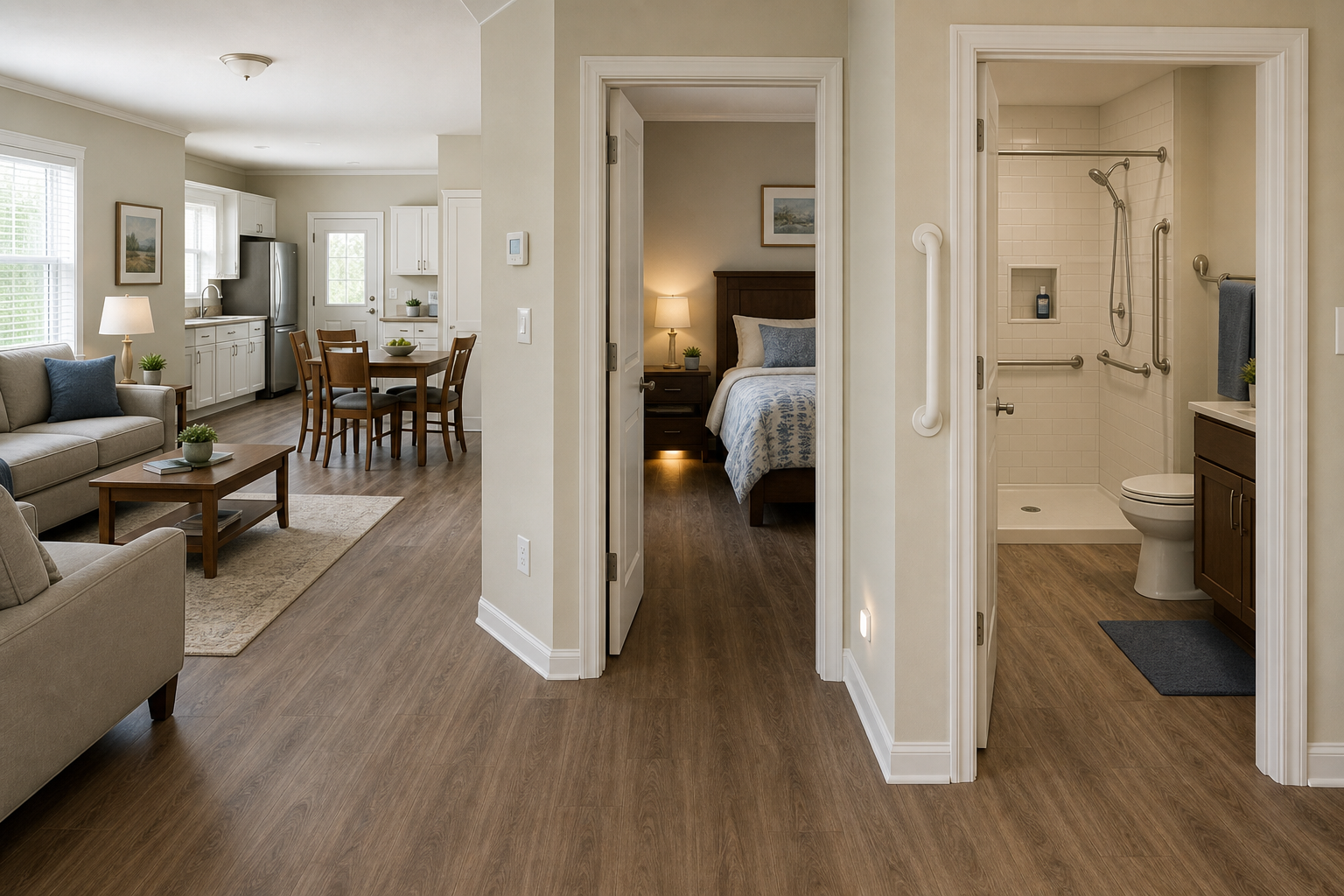
Choosing the right environment is one of the most important decisions in Housing Choices for Later Life, because the wrong setup increases fall risk, limits mobility, and creates daily safety hazards that compound over time. The physical layout of a home directly affects how safely a person can move, rest, and manage routine activities.
Many homes that work well in midlife become inefficient or dangerous later due to stairs, poor lighting, narrow pathways, and inaccessible bathrooms. A prevention mindset focuses on reducing friction in movement, simplifying navigation, and eliminating unnecessary physical strain before a crisis forces change.
The goal is not just to stay somewhere familiar, but to live in a space that actively supports independence and reduces risk every day.
Mobility And Layout Risks In Housing Choices for Later Life
Mobility limitations are the primary driver behind most housing transitions, and Housing Choices for Later Life must account for how easily a person can move through their environment without strain or instability.
A home with long walking distances, tight corners, or frequent elevation changes increases fatigue and fall risk. Even small barriers, like thresholds or uneven flooring, become significant hazards when balance declines.
Practical adjustments include:
- Remove unnecessary furniture to create clear walking paths
- Ensure all major living functions exist on one level
- Eliminate or secure loose rugs and floor transitions
- Widen pathways to accommodate walkers or assistance
- Keep frequently used items within easy reach to reduce bending
- Arrange furniture to support stable hand contact when moving
The layout should allow uninterrupted, predictable movement from bed to bathroom, kitchen, and seating areas.
Single-Level Living Versus Multi-Level Homes
One of the most critical decisions in Housing Choices for Later Life is whether to remain in a multi-level home or transition to a single-level environment.
Stairs introduce ongoing risk, especially during nighttime movement or when carrying items. Even with railings, repeated stair use increases fatigue and the likelihood of missteps.
When evaluating a home:
- Identify how often stairs must be used daily
- Consider whether essential rooms can be relocated to the ground floor
- Install secure handrails on both sides of stairways
- Ensure stair lighting is consistent and bright
- Avoid storing frequently used items on different levels
- Evaluate long-term feasibility, not just current ability
Bathroom Accessibility And Safety Planning
Bathroom design often determines whether a person can remain safely in their home, making it a central factor in Housing Choices for Later Life.
Standard bathrooms are not built for stability. Slippery surfaces, high tub walls, and low toilets create constant risk during transfers.
To improve safety:
- Install grab bars near the toilet and inside the shower
- Use a walk-in shower instead of a bathtub when possible
- Add non-slip flooring or mats that are secured in place
- Raise the toilet height to reduce strain during sitting and standing
- Ensure adequate lighting for nighttime use
- Keep essential items within arm’s reach
The bathroom must support controlled, stable movement in a confined space.
How to Prevent Falls in the Home
Kitchen Function And Daily Usability
Kitchen usability plays a major role in maintaining independence, and Housing Choices for Later Life should prioritize safe, efficient access to food preparation areas.
Kitchens often contain multiple risk points, including reaching, bending, and carrying hot items. A poorly arranged kitchen increases the risk of falls and burns.
Key adjustments include:
- Store frequently used items at waist-to-shoulder height
- Use pull-out shelves instead of deep cabinets
- Keep countertops clear to allow stable work surfaces
- Place appliances within easy reach without stretching
- Ensure flooring is non-slip and even
- Improve lighting over work areas
The goal is to minimize unnecessary movement while maintaining full functionality.
Bedroom Location And Nighttime Movement
The bedroom must support safe nighttime movement, which is often overlooked in Housing Choices for Later Life.
Most falls occur during low-light conditions when individuals are moving between the bed and bathroom. Poor bedroom placement increases this risk significantly.
To improve safety:
- Position the bedroom close to the bathroom
- Install motion-activated lighting along the pathway
- Keep the floor clear of clutter or cords
- Use a stable bed height that allows easy sitting and standing
- Place a lamp or light switch within arm’s reach of the bed
- Ensure footwear is easily accessible and slip-resistant
Nighttime navigation should be simple, predictable, and well-lit.
Community Living Versus Independent Housing
Some Housing Choices for Later Life involve transitioning to community-based environments that provide structured support.
Independent homes require ongoing maintenance and self-management, which can become difficult over time. Community living options reduce these burdens while providing built-in safety features.
When comparing options:
- Evaluate maintenance responsibilities and physical demands
- Consider access to on-site assistance or emergency response
- Review the layout, simplicity, and accessibility features
- Assess proximity to healthcare and daily services
- Determine whether social interaction improves safety awareness
- Analyze long-term affordability and flexibility
Community environments often reduce risk by design rather than requiring constant adaptation.
Home Modifications Versus Relocation Decisions
Deciding whether to modify an existing home or relocate is a central question in Housing Choices for Later Life.
Modifications can extend the usability of a home, but they must be practical and cost-effective. In some cases, structural limitations make relocation the safer option.
Key considerations include:
- Cost of modifications compared to moving
- Feasibility of eliminating major hazards like stairs
- Ability to create a fully functional single-level living space
- Long-term durability of changes made
- Accessibility of the surrounding neighborhood
- Availability of support services nearby
Every decision should be based on long-term safety, not short-term convenience.
Making A Practical And Sustainable Housing Decision
The final step in Housing Choices for Later Life is committing to a decision that supports consistent, safe daily living without ongoing strain or risk.
A good housing choice simplifies movement, reduces physical effort, and eliminates predictable hazards. It should not require constant workarounds or temporary fixes.
Focus on:
- Reducing daily physical demands
- Eliminating known risk factors proactively
- Simplifying navigation and access
- Supporting independence without strain
- Planning for future limitations, not current ability
A well-chosen environment prevents problems before they begin and supports long-term stability.
_____________________________________________________________________________________________________
Get clear, practical insights on aging in place sent occasionally, and only when useful.
No spam. No noise. Unsubscribe anytime.
______________________________________________________________________________________________________