Home Modifications for Aging in Place
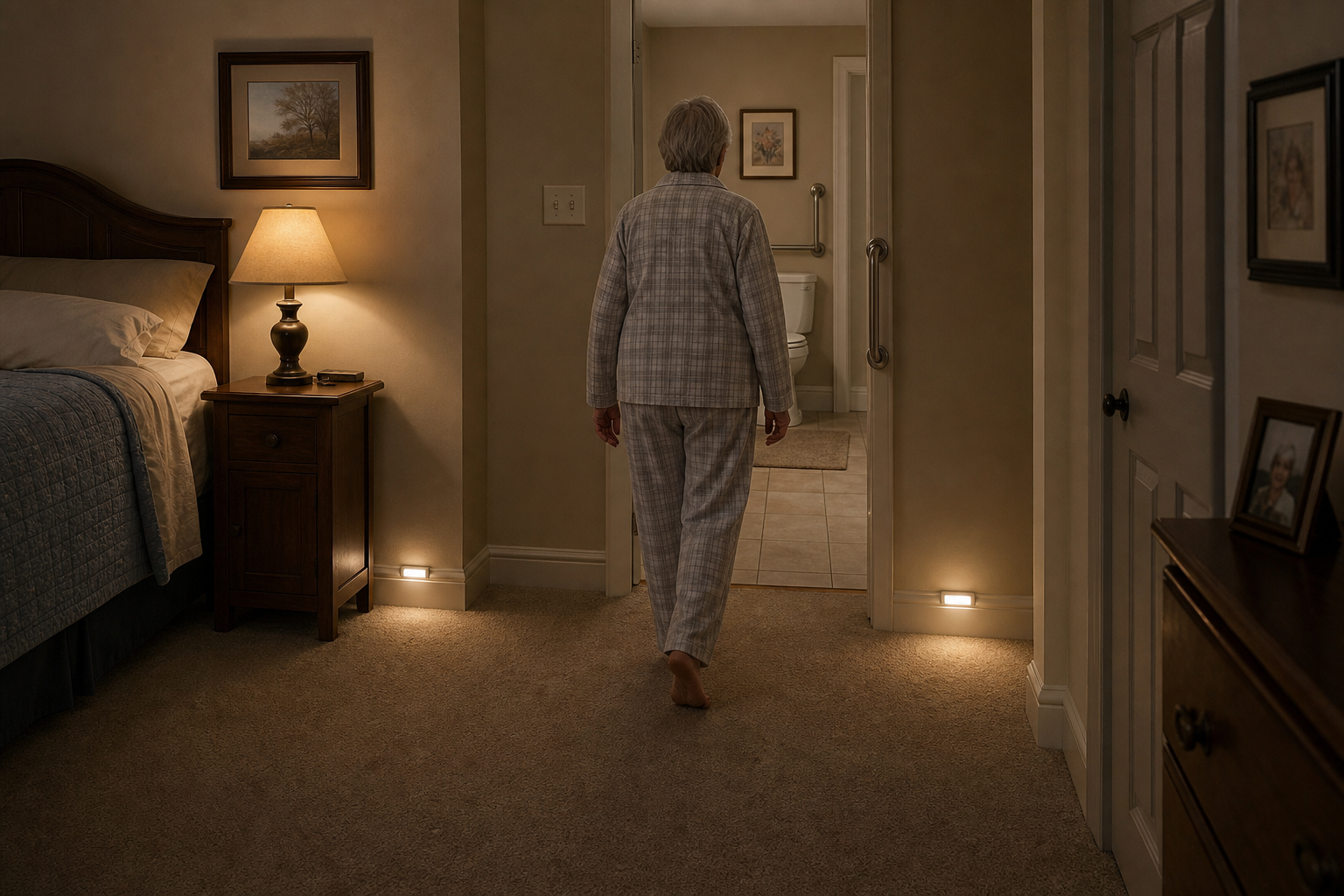
Home environments that once felt effortless can become hazardous as mobility, balance, and vision change. Home Modifications for Aging in Place directly address these risks by reshaping the physical environment to reduce fall exposure and improve daily movement safety. Small obstacles, poor lighting, and awkward layouts are often the difference between independence and injury.
The bedroom is a high-risk area because it combines low lighting, transitions from lying to standing, and frequent nighttime movement. These conditions increase the likelihood of missteps, dizziness, or loss of balance. A prevention-focused approach treats every movement path as a potential risk zone and corrects it before a fall occurs.
The goal is not comfort alone. It is controlled movement, stable surfaces, and predictable navigation throughout the home.
Flooring Stability and Surface Control for Home Modifications for Aging in Place
Flooring is one of the most common sources of instability and must be corrected first. Surfaces that shift, slide, or create uneven transitions immediately increase fall risk.
Hard, flat, non-slip surfaces are preferred because they provide consistent traction and predictable footing. Rugs, especially small or unsecured ones, introduce instability during normal walking patterns.
Practical corrections include:
- Remove all loose throw rugs from primary walking paths
- Secure remaining rugs with non-slip backing or double-sided tape
- Eliminate floor height transitions between rooms whenever possible
- Repair cracked tiles, warped boards, or uneven subflooring
- Avoid thick carpeting that alters foot placement and balance perception
Incorporating Home Modifications for Aging in Place at the flooring level creates a stable foundation for all other safety improvements. Without this step, other modifications lose effectiveness.
Lighting Improvements for Safer Night Movement
Lighting must support continuous visibility from bed to bathroom and throughout the home. Poor lighting increases hesitation, misjudgment, and disorientation during movement.
A layered lighting strategy ensures that no area is left in shadow during nighttime transitions. Motion-activated lighting is particularly effective because it removes the need to search for switches.
Key actions include:
- Install motion-sensor night lights along bedroom-to-bathroom pathways
- Use consistent brightness levels to avoid contrast blindness
- Place light switches within easy reach of the bed
- Add low-level lighting under beds or along baseboards
- Ensure stairways and transitions are fully illuminated
Lighting adjustments are among the most effective Home Modifications for Aging in Place because they directly reduce the risk of nighttime falls.
Home Lighting Safety For Seniors
Bed Height and Transfer Safety
Getting in and out of bed requires controlled movement and stable positioning. Beds that are too high or too low create unnecessary strain and increase the chance of imbalance.
The ideal bed height allows both feet to rest flat on the floor while seated on the edge. This position supports stable standing and reduces reliance on momentum.
Important adjustments include:
- Adjust bed height using risers or lower frames as needed
- Ensure mattress firmness supports controlled movement
- Place a stable chair nearby for dressing or rest transitions
- Keep pathways clear on both sides of the bed
- Avoid rolling or unstable bed frames
Home Modifications for Aging in Place in the bedroom must prioritize safe transfers, as these movements occur multiple times daily and often in low-light conditions.
Bathroom Access and Pathway Safety
The path from bedroom to bathroom is one of the most critical movement routes in the home. This pathway must be unobstructed, well-lit, and predictable.
Nighttime urgency often leads to rushed movement, increasing fall risk. A direct and simplified route reduces hesitation and confusion.
Essential improvements include:
- Clear all obstacles from the walking path
- Use consistent flooring between rooms
- Install night lighting along the entire route
- Keep doors fully open or easy to operate
- Avoid furniture placement that narrows pathways
Applying Home Modifications for Aging in Place to this transition area reduces one of the highest-risk scenarios in daily living.
Furniture Placement and Movement Flow
Furniture must support movement, not obstruct it. Poor placement creates narrow paths, sharp turns, and unexpected barriers.
Each room should allow smooth, uninterrupted walking patterns with clear visual lines.
Adjustments to consider:
- Arrange furniture to create wide, straight walking paths
- Remove low or unstable tables that can shift under pressure
- Avoid furniture with sharp edges near walking routes
- Keep frequently used items within easy reach
- Ensure seating is stable and easy to rise from
Strategic placement is a core part of Home Modifications for Aging in Place because it directly affects how safely a person moves through their environment.
Bathroom Safety Modifications That Prevent Falls
Bathrooms present multiple hazards, including wet surfaces, confined spaces, and awkward transfers. These risks must be addressed directly.
Installing supportive structures reduces reliance on balance alone and improves control during movement.
Recommended modifications:
- Install grab bars near toilets and inside showers
- Use non-slip mats or adhesive strips in wet areas
- Replace standard tubs with walk-in showers if possible
- Use raised toilet seats to reduce strain
- Ensure adequate lighting without glare
For detailed medical guidance and patient-level safety instructions, refer to this resource:
https://medlineplus.gov/ency/patientinstructions/000021.htm
Stairway Safety and Vertical Movement Control
Stairs require strength, balance, and coordination. Without modifications, they become one of the most dangerous areas in the home.
Improving stair safety involves both structural and behavioral adjustments.
Key actions include:
- Install secure handrails on both sides of the staircase
- Ensure steps are uniform in height and depth
- Add non-slip treads to each step
- Improve lighting at both the top and bottom of the stairs
- Avoid carrying objects that block vision during use
Home Modifications for Aging in Place should minimize unnecessary stair use when possible and make required use as safe as possible.
Ongoing Adjustment and Risk Awareness
Home safety is not a one-time project. It requires continuous observation and adjustment as needs change.
Subtle shifts in mobility, vision, or strength can introduce new risks that were not present before.
Maintain safety by:
- Reassessing walking paths regularly
- Adjusting furniture as needs evolve
- Monitoring lighting effectiveness over time
- Identifying new obstacles as they appear
- Making small corrections immediately rather than delaying
System Context: Home Modifications for Aging in Place are part of a broader system focused on fall prevention and long-term independence. This page supports the structured safety approach used across the site and connects directly to the core framework found in the Aging in Place Checklist.
_____________________________________________________________________________________________________
Get clear, practical insights on aging in place sent occasionally, and only when useful.
No spam. No noise. Unsubscribe anytime.
______________________________________________________________________________________________________