Wheelchair Safety At Home
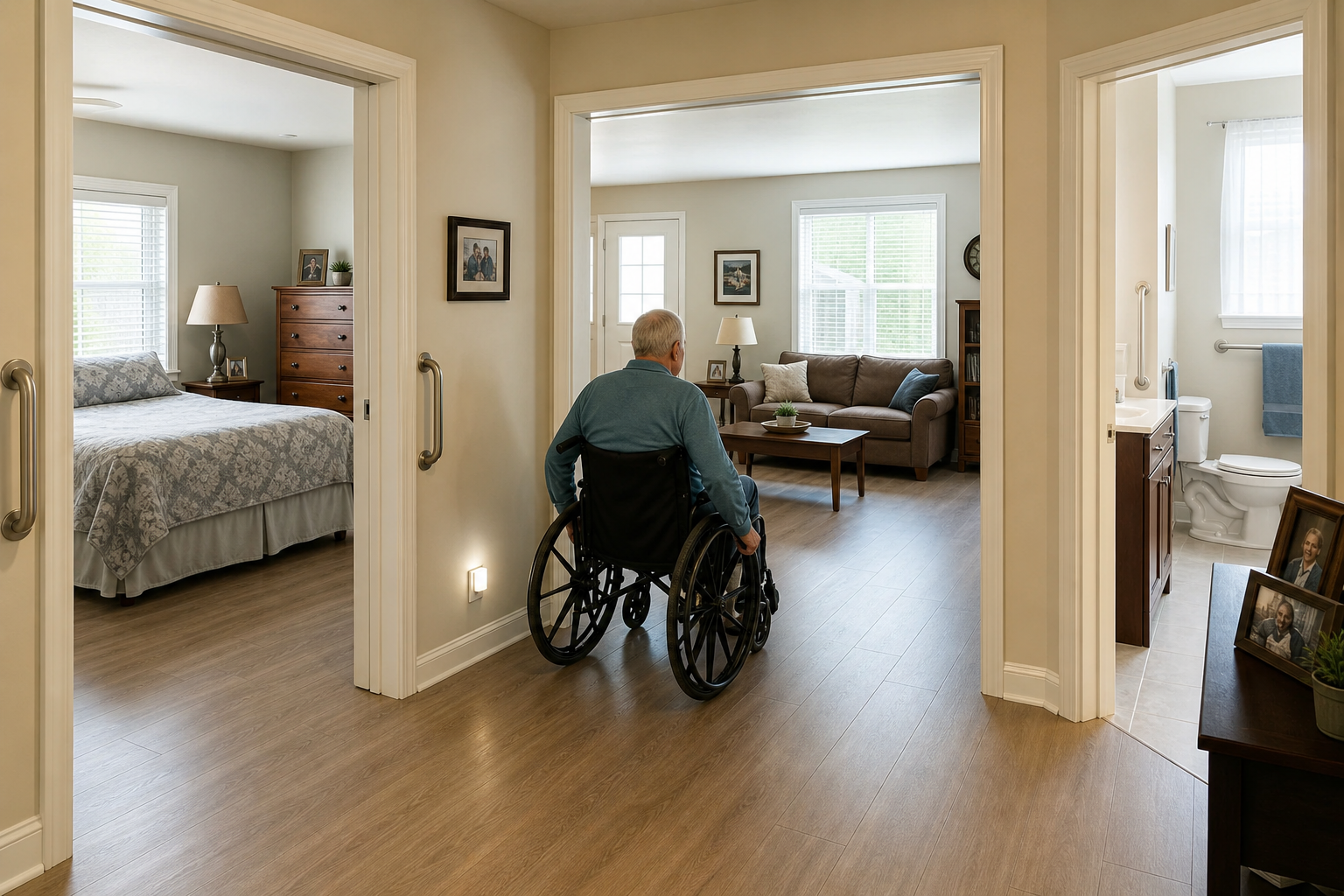
Wheelchair use changes how a person moves through a home, interacts with furniture, and handles daily tasks. Wheelchair Safety At Home becomes critically important when small obstacles, poor flooring choices, or narrow pathways create risks that can lead to falls, collisions, or dangerous transfer situations.
Many homes were not originally designed for mobility devices. Tight corners, loose rugs, uneven flooring, and poorly placed furniture often create avoidable hazards. Prevention starts with identifying movement patterns inside the home and adjusting the environment to support safer navigation and easier daily living.
Simple layout changes, better lighting, and thoughtful organization can significantly reduce risks while helping older adults remain independent longer.
Wheelchair Safety At Home Starts With Clear Flooring And Safe Movement Paths
Flooring directly affects how safely a wheelchair moves through a home. Small elevation changes, thick rugs, cords, or clutter can stop wheels suddenly and cause dangerous tipping or transfer. Smooth, stable pathways improve mobility and reduce strain during daily movement.
Carpet edges and uneven transitions between rooms are especially hazardous. Even a slight lip between flooring surfaces can impede wheelchair movement and increase the risk of falls during transfers.
Important flooring adjustments include:
- Remove loose throw rugs completely
- Tape down or secure low-pile area rugs
- Eliminate extension cords across walkways
- Keep furniture edges out of travel paths
- Repair cracked tile or uneven flooring
- Widen narrow furniture spacing for easier turning
Hard flooring usually allows easier wheelchair movement than thick carpet. However, slippery polished surfaces can create problems during standing transfers. Flooring should support both wheelchair traction and stable foot placement.
Door thresholds should also be checked carefully. Even minor bumps may become difficult for older adults with reduced upper-body strength.
Safe Furniture Placement Improves Daily Wheelchair Mobility
Furniture arrangement strongly affects Wheelchair Safety At Home because older homes often contain crowded layouts designed for walking rather than rolling mobility. Tight turns increase fatigue and raise the risk of collisions.
Living areas should allow enough turning radius for the wheelchair without forcing awkward angles or repeated repositioning. Frequently used items should remain within comfortable reach to reduce the risk of dangerous stretching or twisting.
Helpful layout improvements include:
- Leave a wide turning space near seating areas
- Remove unnecessary side tables
- Keep pathways consistent throughout the home
- Position chairs close to transfer areas
- Avoid sharp furniture corners near pathways
- Maintain open access to doorways
Dining rooms and bedrooms often become clutter points because furniture accumulates over time. Simplifying the room frequently improves safety more than adding equipment.
Transfer Areas Require Extra Attention
Transfers between the wheelchair and the bed, toilet, couch, or recliner are among the highest-risk moments in the home. Many falls occur during standing pivots or repositioning attempts.
Transfer surfaces should remain stable and predictable. Chairs that slide, swivel unexpectedly, or sit too low can create dangerous situations. Bed height also matters because overly high or low surfaces increase physical strain.
Important transfer safety practices include:
- Keep transfer surfaces at similar heights
- Lock the wheelchair brakes before standing
- Remove footrests during transfers
- Keep transfer areas dry and uncluttered
- Position grab bars where natural support is needed
- Avoid rolling chairs during seated transfers
Lighting near transfer zones should remain bright and consistent. Shadows make foot placement harder to judge, especially at night.
Bathrooms deserve special attention because water dramatically increases the risk of slips. Toilet access, sink clearance, and shower positioning should allow smooth wheelchair movement without tight maneuvering.
Kitchen Layout Changes Can Reduce Wheelchair Hazards
Kitchens often contain narrow walkways, sharp corners, slippery surfaces, and hard-to-reach storage. These factors increase risks during meal preparation and cleanup.
Wheelchair users benefit from work zones that reduce excessive movement. Frequently used cookware, dishes, and food items should remain accessible from seated height whenever possible.
Helpful kitchen modifications include:
- Store daily items below shoulder height
- Keep trash cans out of pathways
- Use stable nonslip kitchen mats sparingly
- Improve lighting over food preparation areas
- Remove decorative floor obstacles
- Keep refrigerator access fully open
Table placement matters as well. Chairs that block movement paths often force awkward turns or backing maneuvers. Stable seating also helps support safer transfers during meals.
Wheelchair Safety At Home also depends on reducing fatigue. Excessive reaching, repeated repositioning, and unnecessary travel across the kitchen increase physical strain over time.
Bathroom Access And Nighttime Routes Must Stay Open
Nighttime movement becomes more dangerous when visibility decreases and fatigue increases. A wheelchair path that feels manageable during daylight may become hazardous in low light.
The route between the bed and bathroom should remain completely open at all times. Shoes, baskets, pet items, or decorative furniture commonly create avoidable nighttime hazards.
Helpful nighttime safety adjustments include:
- Install motion-sensor night lights
- Keep bathroom doors fully open overnight
- Remove floor clutter every evening
- Position mobility aids consistently
- Avoid glossy flooring near bathrooms
- Keep emergency phone access nearby
Nighttime transfers require extra caution because balance and alertness often decline after a sudden awakening. Stable flooring and predictable furniture placement become even more important during overnight bathroom use.
Wheelchair Safety At Home improves when the home layout remains consistent. Rearranging furniture frequently can create confusion and unexpected obstacles.
Entryways And Doorways Need Smoother Access
Entryways often create daily frustration for wheelchair users because thresholds, narrow openings, and exterior surfaces may restrict movement. Safer access reduces strain and improves independence.
Exterior ramps should provide stable traction without steep slopes. Wet surfaces, leaves, and uneven concrete can substantially increase the risk of accidents.
Important entryway improvements include:
- Install sturdy handrails near ramps
- Improve lighting near entrances
- Remove decorative clutter from door areas
- Repair cracked sidewalks promptly
- Keep thresholds as low as possible
- Ensure door hardware is easy to grip
Interior doorways should allow comfortable wheelchair clearance without scraping walls or forcing difficult turns. Narrow hallways also increase collision risk.
Regular maintenance matters because small environmental problems gradually become larger safety hazards.
https://www.medicalnewstoday.com/articles/wheelchair-safety
Emergency Planning Matters For Wheelchair Users
Emergency situations become more complicated when mobility is limited. Power outages, storms, and medical emergencies require preparation that supports safe evacuation or sheltering at home.
Wheelchair users should maintain clear access to exits and emergency supplies. Backup lighting becomes especially important during nighttime emergencies.
Important emergency planning steps include:
- Keep emergency contact numbers visible
- Maintain flashlight access in multiple rooms
- Store medications within easy reach
- Keep pathways clear at all times
- Charge powered mobility devices consistently
- Review evacuation plans regularly
Wheelchair Safety At Home includes planning for temporary disruptions as well. Even short-term obstacles, such as repair equipment or stored boxes, can create serious access problems.
System Context: This page supports the larger AgingInPlaceResource.com safety framework by helping families reduce mobility-related fall risks inside the home. Wheelchair navigation, transfer safety, and environmental layout all directly affect long-term independence and practical aging in place planning.
Consistent Home Organization Helps Prevent Daily Accidents
Long-term safety depends on maintaining organization every day rather than making occasional corrections after problems appear. Even well-designed spaces become hazardous when clutter gradually returns.
Wheelchair users often rely on predictable movement patterns throughout the home. Sudden changes in furniture placement or storage habits increase the risk of collisions and falls. Consistency supports safer movement and reduces unnecessary physical effort.
Practical organization habits include:
- Return items to the same location daily
- Avoid storing objects in pathways
- Keep charging cords secured against walls
- Maintain stable furniture placement
- Remove seasonal clutter quickly
- Monitor flooring wear regularly
Family members and caregivers should also avoid temporary obstructions that interrupt wheelchair routes. Laundry baskets, delivery boxes, pet supplies, and portable heaters commonly create preventable hazards.
Wheelchair Safety At Home works best when prevention becomes part of a normal household routine rather than an occasional cleanup effort. Small, consistently performed environmental improvements usually provide greater long-term safety benefits than expensive equipment additions.
_____________________________________________________________________________________________________
Get clear, practical insights on aging in place sent occasionally, and only when useful.
No spam. No noise. Unsubscribe anytime.
______________________________________________________________________________________________________