Mobility Aids For Seniors
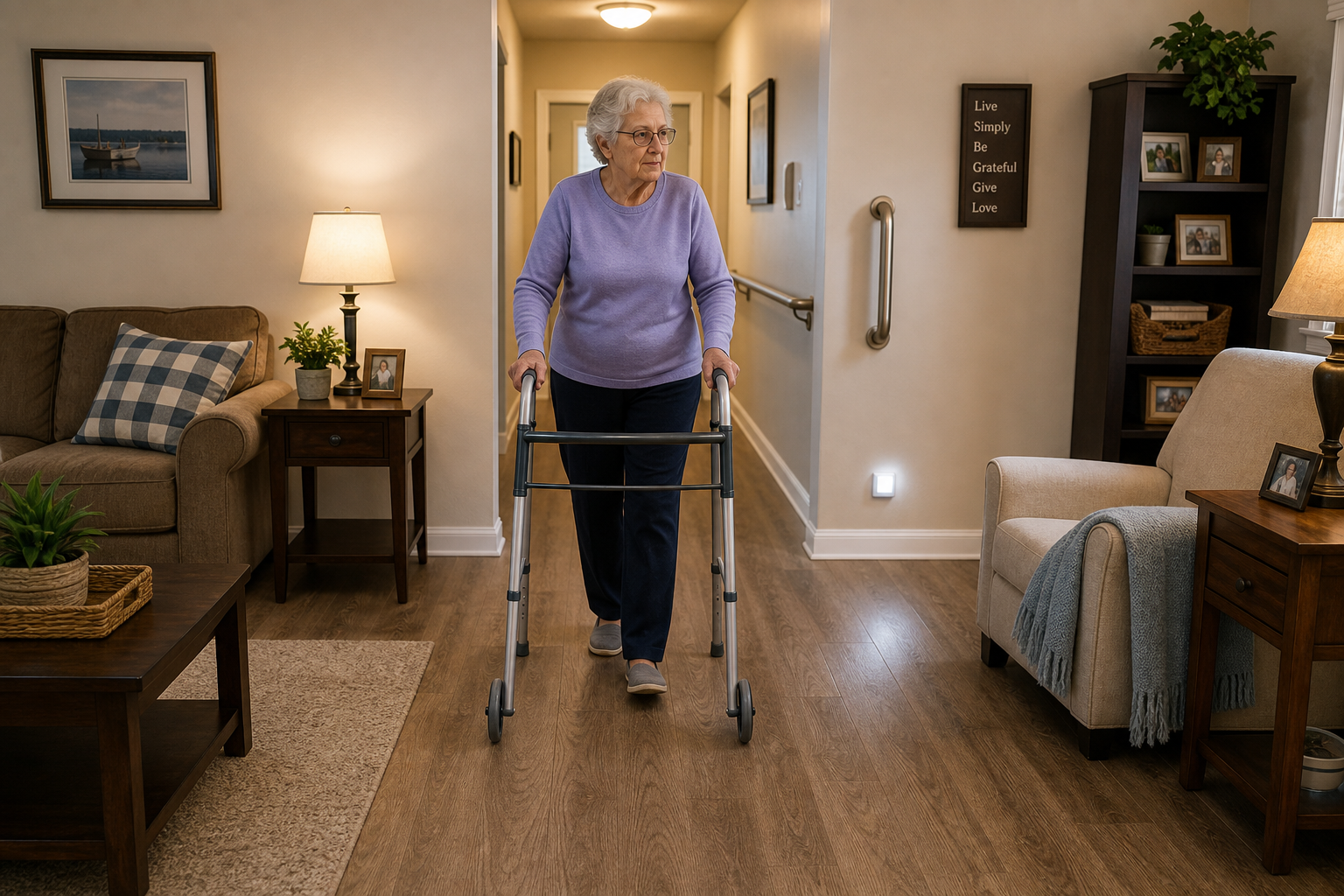
Falls often begin with small movement problems that slowly become part of everyday life. Mobility Aids For Seniors can help reduce strain, improve balance, and support safer movement throughout the home before a serious injury occurs.
Many older adults wait too long to adjust their living environment or daily movement habits. Simple mobility changes often make aging in place easier, safer, and less physically demanding. A prevention mindset focuses on stability, visibility, clear walking paths, and reducing unnecessary physical strain before a fall happens.
Small improvements can make a major difference when walking through tight spaces, standing from chairs, using stairs, or moving during nighttime hours. The right mobility support can help maintain independence without turning the home into a clinical environment.
Choosing The Right Mobility Aids For Seniors
The safest mobility equipment is the equipment that matches the person’s actual movement pattern inside the home. Many seniors use devices that are too large, too unstable, or poorly adjusted for their height and walking style. Stability should always come before convenience.
A cane may help with mild balance issues, while a walker may be more appropriate for weakness, fatigue, or uneven movement. Lightweight devices are easier to move, but they must still provide enough support during transfers and directional changes.
Important factors to evaluate include:
• Check whether the device height allows the arms to remain slightly bent
• Test movement on carpet, tile, and uneven thresholds
• Make sure hand grips do not create wrist strain
• Verify that rubber tips and wheels are not worn down
• Remove clutter that interferes with the turning radius
• Confirm that the brakes lock firmly before sitting or standing
Many falls happen because mobility equipment is technically present but used incorrectly. Seniors often lean too far forward, move too quickly, or attempt to carry objects while walking. The surrounding environment must support the equipment rather than fight against it.
Keeping Walking Paths Open And Stable
A mobility device only works properly when the walking route is safe and predictable. Narrow pathways, unstable rugs, electrical cords, and decorative furniture create major hazards for older adults who already struggle with balance or slower reaction times.
Every room should be evaluated from the perspective of movement efficiency. Wide open walking paths reduce sudden twisting motions and minimize the need for awkward sidestepping around obstacles.
Helpful home adjustments include:
• Remove small rugs that slide or bunch underfoot
• Keep furniture spacing wide enough for walkers and canes
• Secure loose cords against walls or baseboards
• Avoid storage boxes along major walking routes
• Improve visibility near room transitions and doorways
• Keep pet food bowls away from walking areas
Many seniors move carefully during the daytime but become far less stable when carrying laundry, groceries, or other household items. Walking routes should stay consistently open throughout the day instead of becoming temporary storage areas.
Safer Transfers From Chairs And Beds
Transfers are one of the most physically demanding parts of daily movement and here is where mobility aids for seniors become very helpful. Standing up from a low couch, turning beside a bed, or lowering into a chair creates balance shifts that increase fall risk.
Many injuries occur during transitional movement rather than while walking. A stable seating setup reduces unnecessary strain and helps maintain confidence during daily routines.
Good transfer safety habits include:
• Use chairs with firm cushions and strong armrests
• Avoid low recliners that require rocking forward to stand
• Keep frequently used seating near stable walking routes
• Leave enough clearance beside beds for mobility equipment
• Position bedside lighting within easy reach
• Avoid rolling chairs on smooth flooring surfaces
Furniture height matters more than many people realize. Knees should remain slightly below hip level when seated. Extremely soft furniture may feel comfortable initially but often becomes difficult and unsafe during standing movements.
How to Prevent Falls in the Home
Improving Bathroom Movement And Stability
Bathrooms contain multiple fall hazards concentrated within a small area. Wet flooring, tight movement spaces, and fast directional changes make mobility especially difficult for older adults.
Installing safety supports early helps maintain independence longer. Many seniors resist grab bars or shower chairs because they associate them with loss of independence, but these supports often prevent injuries that would dramatically reduce independence later.
Useful bathroom mobility improvements include:
• Install grab bars near toilets and shower entrances
• Use non-slip bath mats with rubber backing
• Raise low toilet seating with stable attachments
• Keep towels and supplies within easy reach
• Improve lighting near mirrors and floor transitions
• Use shower seating for longer bathing sessions
Movement inside the bathroom should remain slow and controlled. Wet feet combined with twisting motions create serious instability risks, especially when exiting tubs or stepping over shower edges.
A brief home review every few months helps identify changes in mobility needs before problems escalate.
Using Mobility Equipment During Daily Tasks
Mobility support should work naturally with everyday routines instead of becoming an obstacle. Many seniors struggle because they attempt to multitask while moving through the home.
Safe movement requires slowing down during routine activities such as carrying dishes, handling laundry, or reaching into cabinets. Good household organization reduces unnecessary bending, twisting, and carrying.
Practical adjustments include:
• Store heavy items between waist and shoulder height
• Use rolling carts instead of carrying multiple objects
• Keep frequently used kitchen tools easy to reach
• Avoid climbing stools or unstable chairs
• Sit while folding laundry or preparing food
• Create rest areas in larger homes
Even strong and active seniors may become unstable when fatigued. Mobility problems often appear late in the day when energy levels decline and reaction times slow.
Maintaining organized living spaces also reduces the need for sudden movements that increase the risk of falls.
https://medlineplus.gov/mobilityaids.html
Preventing Nighttime Mobility Accidents
Nighttime movement creates unique risks because visibility decreases while coordination and alertness are reduced. Many seniors fall while rushing to the bathroom or moving through dark hallways after waking suddenly.
The use of mobility aids for seniors and simple lighting and layout improvements can dramatically reduce nighttime hazards without requiring expensive remodeling.
Helpful nighttime safety strategies include:
• Install motion-sensor lights along major pathways
• Keep mobility devices beside the bed every night
• Use light switches that are easy to reach from bed
• Avoid dark rugs that blend into flooring surfaces
• Keep slippers stable with non-slip soles
• Reduce clutter near nighttime walking routes
Seniors should avoid moving too quickly after standing. Brief dizziness is common when rising suddenly from bed. Sitting at the edge of the bed for several seconds before standing often improves stability.
Additional nighttime fall prevention guidance is available through MedlinePlus:
https://medlineplus.gov/ency/patientinstructions/000052.htm
Adapting Mobility Support As Needs Change
Movement ability changes gradually over time. Equipment that worked well two years ago may no longer provide enough support today. Regular reassessment helps prevent situations where older adults continue using unsafe or outdated mobility setups.
Many seniors underreport balance problems because they fear losing independence. In reality, adapting early often helps preserve independence much longer.
Signs that mobility support may need adjustment include:
• Increased use of walls or furniture for balance
• Difficulty turning while walking
• Slower recovery after standing
• Trouble carrying items safely
• Increased fatigue during routine movement
• Hesitation on stairs or uneven surfaces
System Context: This page supports the broader AgingInPlaceResource.com focus on fall prevention, safer movement, and long-term independence at home. Mobility planning works best when combined with broader environmental safety improvements and practical household organization strategies.
Creating A Safer Long-Term Movement Plan
Aging in place becomes more realistic when mobility decisions are made early instead of during a crisis. Small home adjustments, better walking routes, and practical support equipment often reduce injuries while making daily life easier and less physically exhausting.
Mobility aids for seniors should be part of long-term movement planning, which should remain practical and affordable. Most seniors do not need expensive renovations immediately. Consistent attention to flooring, lighting, seating, and safe movement habits often provides major safety improvements at relatively low cost.
Effective long-term strategies include:
• Reassess major walking routes every few months
• Replace worn mobility equipment promptly
• Simplify room layouts to reduce obstacles
• Keep emergency phone access nearby
• Improve lighting before vision problems worsen
• Reduce unnecessary reaching and bending
A safer home environment supports independence by reducing avoidable injuries and maintaining confidence during everyday movement. Consistent prevention habits usually work better than reacting after a serious fall has already occurred.
_____________________________________________________________________________________________________
Get clear, practical insights on aging in place sent occasionally, and only when useful.
No spam. No noise. Unsubscribe anytime.
______________________________________________________________________________________________________