Emergency Preparedness For Seniors
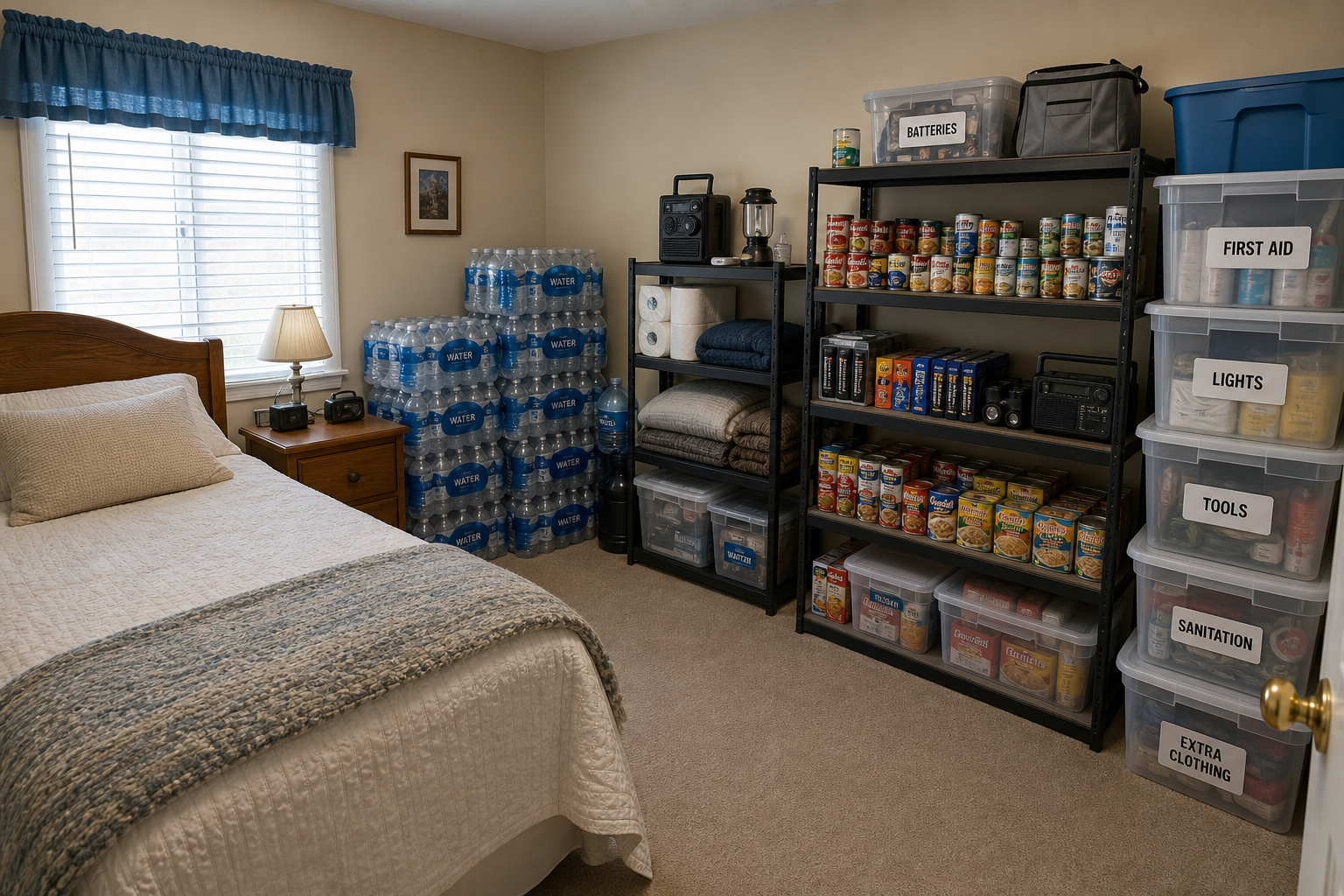
A power outage, storm, flood warning, heat wave, or sudden evacuation can turn an ordinary home into a difficult place to manage. Emergency Preparedness For Seniors means making the home easier to use, safer to move through, and better supplied before a problem begins.
The goal is not to create fear or buy expensive equipment. The goal is to make practical choices that help an older adult remain as independent as possible during common disruptions. A good plan reduces rushed decisions, prevents avoidable falls, and gives family members a clear way to help without taking over everything.
Small steps matter. A working flashlight near the bed, a charged phone, labeled medication, easy food, clear walkways, and written contact information can make a real difference when normal routines are interrupted.
Emergency Preparedness For Seniors Starts With Clear Pathways And Safe Movement
Safe movement is the first concern during any home emergency.
When lights go out, phones ring, alarms sound, or someone feels rushed, familiar rooms become harder to navigate. A hallway that is normally manageable can become risky if shoes, cords, pet bowls, laundry baskets, or small tables block the path. Emergency Preparedness For Seniors should begin with the physical layout of the home, because mobility issues often arise before any larger crisis is resolved.
Focus first on the routes that matter most: bed to bathroom, bedroom to kitchen, favorite chair to exit door, and main entrance to driveway or sidewalk. These routes should be simple, predictable, and free of objects that require stepping around.
Practical changes include:
- Move loose shoes, baskets, and small boxes away from walking paths.
- Place a flashlight within reach of the bed and favorite chair.
- Keep a cane, walker, or other mobility aid in the same location every day.
- Remove low decorative tables from narrow traffic areas.
- Tape down or remove cords that cross walking routes.
- Keep a pair of stable shoes near the bed instead of slippers that slide.
The point is not to make the home look staged. The point is to make the home usable under imperfect conditions.
Build A Practical Emergency Supply Area
A useful supply area should be easy to reach and easy to understand.
Emergency supplies do not need to be expensive, complicated, or stored in a professional-looking kit. A sturdy plastic bin, a low shelf, or one clear cabinet can work well if the items are visible and organized. Emergency Preparedness For Seniors is more effective when supplies are placed where the older adult can actually reach them without bending deeply, climbing, or moving heavy objects.
Keep the main supply area near a common living space, not in a garage corner behind boxes. If the home has more than one floor, place basic supplies on the level where the older adult spends the most time.
A practical supply area may include:
- Bottled water stored at waist height.
- Shelf-stable food that can be opened without special tools.
- Flashlights with fresh batteries beside them.
- A battery-powered radio or weather radio.
- A written list of emergency contacts in large print.
- A small amount of cash in case card systems are unavailable.
Check the supply area every few months. Replace expired food, test flashlights, and make sure nothing has been buried behind unrelated household items.
Keep Medications And Health Information Easy To Find
Medication confusion becomes more dangerous when routines are disrupted.
A storm, power outage, evacuation, or temporary move to a family member’s home can quickly create uncertainty about pills, doses, timing, and refills. Emergency Preparedness For Seniors should include a simple medication system that another family member could understand without guessing. This does not require clinical language. It requires clear labeling and practical organization.
Keep a current medication list in the same place as the emergency contact list. Include the medication name, dose, time taken, pharmacy phone number, and prescribing office if that information is useful. Update the list whenever something changes.
Helpful actions include:
- Store daily medications in one consistent location.
- Keep the medication list in large, readable print.
- Use a weekly pill organizer if it reduces confusion.
- Write refill dates on a calendar before supplies run low.
- Keep pharmacy contact information near the phone.
- Place backup reading glasses near medication instructions.
If refrigeration is required for any item, write that clearly on the medication list and include a simple plan for what to do during a power outage.
Medication Management For Seniors
Prepare For Power Outages Without Overcomplicating The Home
Power outages are common enough to deserve a simple plan.
When electricity fails, lighting, heating, cooling, cooking, phone charging, and medical equipment may be affected. Emergency Preparedness For Seniors should focus on the first few hours of a power outage because that is when most preventable mistakes happen. People walk in the dark, search through drawers, use unsafe candles, or try to carry objects while holding a flashlight.
Place light sources before they are needed. A flashlight in a kitchen drawer is less useful than one in the bedroom, bathroom, or main sitting area. Battery lanterns can be easier than handheld flashlights because they leave both hands free.
Power outage preparation may include:
- Place battery lanterns on stable surfaces near main walkways.
- Keep extra batteries in the same bin as flashlights.
- Charge phones before predicted storms.
- Use a plug-in night light with battery backup in key areas.
- Avoid candles in walking paths or near bedding.
- Keep a written phone list in case a mobile phone battery dies.
For hot or cold weather, identify one room that is easiest to keep comfortable. Close unused rooms, dress in layers, and avoid unnecessary trips through dark parts of the house.
Make Evacuation Decisions Easier Before They Are Urgent
Evacuation planning should be simple enough to follow under stress.
Some emergencies require staying home, while others require leaving quickly. The hardest part is often not packing. It is deciding what matters most and where everything is located. Emergency Preparedness For Seniors works better when the essentials are grouped before a warning arrives.
Start with the items that would be difficult to replace or dangerous to forget. These usually include identification, insurance cards, medication, glasses, hearing aids, phone charger, keys, and emergency contacts. A small grab-and-go bag near the main exit can prevent frantic searching.
A practical evacuation setup may include:
- Keep a small bag near the main exit door.
- Place copies of important papers in a labeled folder.
- Store an extra phone charger in the evacuation bag.
- Keep sturdy walking shoes close to the exit path.
- Write down where pets, keys, and mobility aids are usually kept.
- Plan which family member or neighbor should be called first.
The home exit route also matters. Clear the area around the main door, remove loose rugs near the threshold, and make sure outdoor lighting works if evacuation might happen after dark.
Plan For Weather, Heat, Cold, And Local Alerts
Local conditions should shape the emergency plan.
A home in a hurricane-prone area has different risks than a home where winter storms, tornadoes, wildfire smoke, flooding, or extreme heat are more likely. Emergency Preparedness For Seniors should match the threats that actually occur in the area. A practical plan is not a pile of random supplies. It is a short list of actions tied to the most likely events.
Weather alerts should be easy to receive. Do not rely on a single device. A charged phone is useful, but a battery-powered weather radio can still work when internet service fails. Family members should know whether the older adult usually hears alerts, understands them, and knows what action to take next.
Useful weather planning steps include:
- Write down the most likely local emergencies.
- Set up phone alerts with loud, clear notifications.
- Keep a weather radio in the main supply area.
- Identify the safest interior room for severe wind.
- Keep drinking water accessible during heat alerts.
- Place extra blankets where they can be reached during cold weather.
For general emergency preparation guidance, MedlinePlus provides a useful overview of supplies and planning.
https://medlineplus.gov/disasterpreparationandrecovery.html
Create A Family Communication Plan That Does Not Depend On Memory
A written communication plan prevents confusion.
During an emergency, people forget phone numbers, misplace devices, or assume someone else has already checked in. Emergency Preparedness For Seniors should include a basic contact plan that is visible, readable, and understood by everyone involved. This is especially useful for adult children who live apart or share caregiving responsibilities.
The plan should answer three questions: who calls first, who is the backup contact, and what should happen if no one answers. Keep the plan near the phone, in the emergency supply area, and in the evacuation bag. Large print is better than a tiny list taped inside a cabinet.
A useful communication plan may include:
- Primary family contact with phone number.
- Backup family contact with phone number.
- Nearby neighbor or trusted local contact.
- Pharmacy phone number.
- Utility company outage number.
- Address of the preferred evacuation destination.
Do not make the plan too complicated. A short, visible plan is more useful than a perfect plan no one can remember. Review it after storms, power outages, or close calls to see what failed and what should be changed.
Emergency Preparedness For Seniors At Home
Keep The Plan Affordable, Visible, And Easy To Maintain
The best emergency plan is the one the household can actually keep using.
Emergency Preparedness For Seniors should not turn into a costly remodeling project or a cluttered collection of supplies. The strongest plans are usually built from ordinary household improvements: clear walking paths, better lighting, readable labels, working batteries, simple food storage, organized medication, and written instructions. These changes support aging in place by reducing confusion and helping daily routines continue when the home is under pressure.
This page also fits within the site's broader safety structure. Emergency planning connects directly to fall prevention, safe movement, home layout, and the Aging in Place Checklist because the same practical habits protect older adults on both ordinary and difficult days.
Keep maintenance simple:
- Test flashlights on the same day each month.
- Replace expired food when checking kitchen shelves.
- Update contact lists after any phone number change.
- Review medication lists after medical appointments.
- Walk the main exit route and remove new obstacles.
- Refill water and batteries before storm seasons.
Prevention is not a single project. It is a routine of small checks that keeps the home safer, more affordable, and easier to live in independently.
_____________________________________________________________________________________________________
Get clear, practical insights on aging in place sent occasionally, and only when useful.
No spam. No noise. Unsubscribe anytime.
______________________________________________________________________________________________________