Emergency Preparedness For Seniors At Home
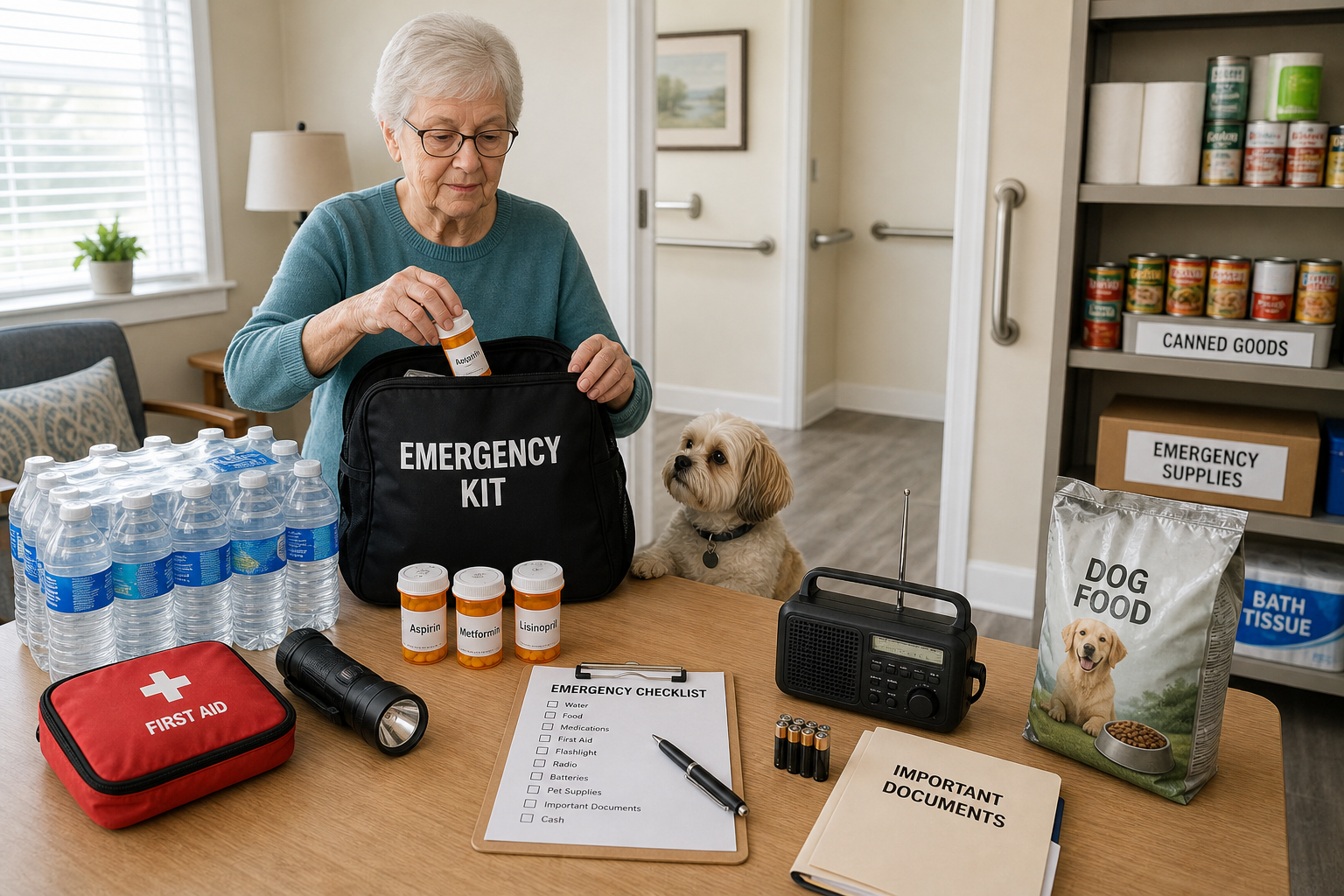
Emergency preparedness is often overlooked until something goes wrong. Emergency Preparedness For Seniors At Home is not just about extreme events. It includes power outages, falls during evacuations, medication disruptions, and limited mobility during urgent situations.
The home environment becomes a higher-risk setting when emergencies occur because normal routines break down. Lighting may fail. Paths may be blocked. Access to medications or communication tools can become difficult. Preparation reduces these risks by creating predictable, safe responses.
A structured approach to preparation allows seniors and caregivers to maintain control during uncertain conditions. The following sections focus on physical safety, layout decisions, and practical readiness.
Emergency Preparedness For Seniors At Home Starts With Safe Movement Paths
Safe movement paths are the foundation of emergency readiness because most injuries during emergencies happen while moving quickly through the home.
Clear, direct pathways must be established between key areas such as the bedroom, bathroom, and exits. Furniture placement should allow uninterrupted movement even in low visibility conditions. Emergency situations reduce reaction time, so the layout must already support safe movement.
• Remove all loose rugs from primary walking paths
• Keep exit routes completely free of furniture or storage items
• Secure electrical cords along walls, not across walkways
• Ensure doorways open fully without obstruction
• Widen tight pathways by repositioning chairs or tables
Emergency movement should be tested in low-light conditions to confirm usability. Walking the route during the day is not enough. The environment must function under stress and reduced visibility.
Emergency Lighting And Power Backup Planning
A lighting failure is one of the most dangerous aspects of a home emergency because it immediately affects balance and orientation.
Backup lighting should be placed in predictable, reachable locations. Flashlights must be easy to access without bending or searching. Battery-powered lighting reduces reliance on wall switches that may not function.
• Place a flashlight within arm’s reach of the bed
• Install motion-activated night lights in hallways
• Store extra batteries in a labeled, easy-to-open container
• Use plug-in emergency lights that activate during power loss
• Avoid candles due to fire risk and instability
Backup power planning should also include charging strategies for phones and medical devices. A simple battery bank can maintain communication during outages.
Emergency Communication Setup And Accessibility When Planning Emergency Preparedness For Seniors At Home
Communication systems must remain usable under stress and without complicated steps.
Phones should be accessible from multiple locations, especially near sleeping areas. Emergency contact numbers should be written in large, clear print and placed near each phone. Voice-activated systems can improve response speed when movement is limited.
• Keep a charged phone within reach at all times
• Program emergency contacts into speed dial
• Post emergency numbers near landlines
• Use a medical alert system if appropriate
• Ensure hearing aids or glasses are accessible for communication
Communication planning must also consider how responders will locate the individual. Clear address markings and visible house numbers improve response time.
https://www.cdc.gov/disability-emergency-preparedness/communication-resources/index.html
Medication And Medical Supply Readiness
Medication disruptions during emergencies can create serious health risks within hours or days.
Medications should be organized and easy to transport in case of evacuation. A clearly labeled container allows quick access without sorting or confusion. Supplies must be rotated regularly to ensure usability.
• Store at least a 7-day supply of essential medications
• Use a labeled container for emergency medication transport
• Keep a printed list of medications and dosages
• Include basic first aid supplies in the same location
• Store medical devices with backup batteries if required
Medication readiness is not only about storage but also about access. Items must be reachable without bending or searching during an emergency.
Bathroom And Hygiene Planning During Emergencies
Bathroom safety becomes more complex during emergencies because access to water, lighting, and mobility may be affected.
Planning for safe hygiene ensures dignity and reduces fall risk. Temporary solutions should be prepared in advance to avoid unsafe improvisation. Emergency Preparedness for Seniors at Home requires thoughtful planning.
• Keep non-slip mats securely in place
• Store hygiene supplies in one accessible location
• Use a bedside commode if bathroom access may be limited
• Ensure grab bars are secure and properly positioned
• Keep towels and clothing within easy reach
Emergency conditions often reduce water availability or pressure. Simple preparation can maintain basic hygiene without increasing risk.
Food, Water, And Basic Supply Storage
Basic supply readiness ensures that seniors can remain safely at home during short-term disruptions.
Supplies must be easy to access and require minimal preparation. Heavy containers or difficult packaging can create hazards during use.
• Store at least three days of water per person
• Choose non-perishable foods that require no cooking
• Keep a manual can opener available
• Store supplies at waist height to avoid bending
• Rotate stored items regularly to maintain freshness
Food and water planning should prioritize simplicity. Complex preparation increases risk during emergencies.
https://www.nia.nih.gov/health/safety/disaster-preparedness-and-recovery-older-adults
Exit Planning And Evacuation Safety
Evacuation planning must be simple, repeatable, and physically realistic.
Exit routes should be clearly defined and practiced. Seniors must be able to move safely without assistance or with minimal support. The plan should account for mobility limitations and environmental obstacles.
• Identify at least two exit routes from the home
• Ensure doors and locks are easy to operate
• Keep keys in a consistent, accessible location
• Practice moving to exits slowly and safely
• Avoid stairs if a safer alternative exists
Evacuation is not about speed. It is about safe, controlled movement under pressure.
Ongoing Preparedness And Home Safety Integration
Emergency preparedness must be maintained over time to remain effective.
Regular checks ensure that supplies are usable and systems are functioning. Small adjustments to the home environment can significantly improve safety during unexpected situations.
• Review emergency supplies every three months
• Replace expired food, water, and medications
• Test lighting and communication devices regularly
• Reassess movement paths after furniture changes
• Update contact information as needed
Preparedness is part of a larger system of home safety and fall prevention. Each improvement strengthens the overall environment and reduces risk during both daily life and emergencies.
System Context: Emergency preparedness connects directly to aging in place by reinforcing safe movement, reliable access to essentials, and reduced fall risk during disruptions. This page supports the broader structure by aligning with the Aging in Place Checklist, which serves as a central planning tool.
_____________________________________________________________________________________________________
Get clear, practical insights on aging in place sent occasionally, and only when useful.
No spam. No noise. Unsubscribe anytime.
______________________________________________________________________________________________________