Aging In Place vs Assisted Living
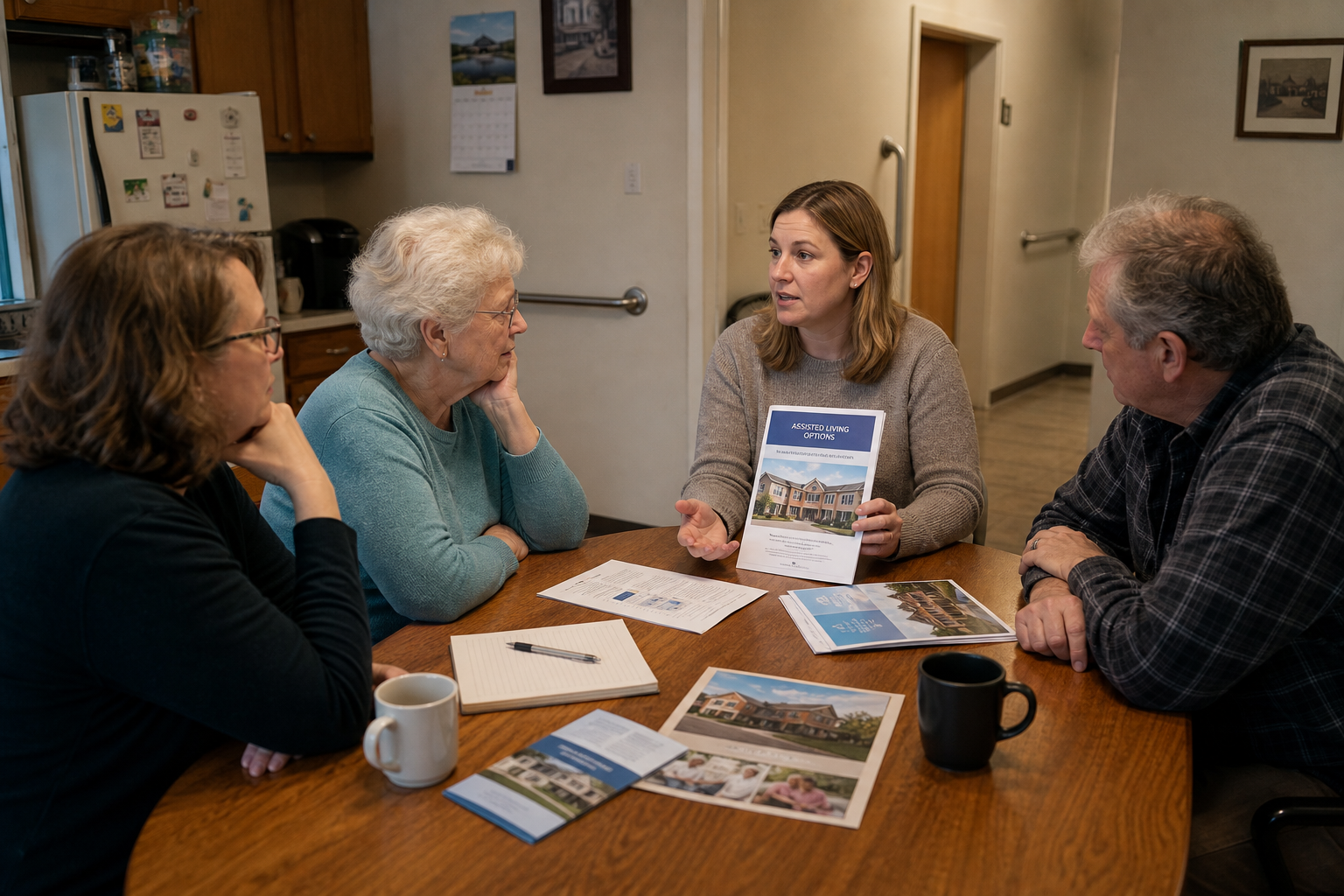
Aging In Place vs Assisted Living is not only a housing question. It is a decision about safety, cost, mobility, and independence that affects how an older adult gets through each ordinary day.
The real risk is not usually one dramatic event. It is the slow buildup of small hazards: poor lighting, hard transfers, cluttered walking paths, missed medications, unsafe stairs, weak bathroom setup, and family stress that grows because no one has a clear plan. Prevention works best when the home is adjusted before a fall, crisis, or rushed move forces the decision.
The goal is not to keep someone at home at all costs. The goal is to understand what can be handled safely, affordably, and practically at home before deciding whether assisted living is truly needed.
Aging In Place vs Assisted Living Starts With Movement Safety At Home
The first comparison should be how safely the person moves through the home each day.
Aging in place depends on whether the home supports ordinary movement without creating a constant fall risk. Assisted living may offer a more controlled environment, but that does not automatically mean every person needs it. Many homes can be made safer with low-cost changes before a move becomes necessary.
Look at the actual routes the person uses every day, not the house in theory. Watch how they get from the bed to the bathroom, from the chair to the kitchen, from the entryway to the living room, and from the bedroom to the laundry area.
Useful first checks include:
- Remove loose rugs from the main walking paths.
- Add bright lamps beside chairs, beds, and hallway turns.
- Move small tables out of narrow routes.
- Place frequently used items between waist and shoulder height.
- Add non-slip backing under mats that must stay in place.
- Keep shoes, bags, and pet items away from doorways.
If the person can move safely with these changes, aging in place may remain realistic. If basic movement still requires constant help, assisted living deserves more serious consideration.
Compare Daily Support Needs Before Comparing Buildings
The practical question is how much daily help is already needed.
Some older adults need only a safer setup and occasional family check-ins. Others need help with bathing, dressing, meals, medications, transfers, or nighttime movement. Aging In Place vs Assisted Living becomes clearer when the family writes down what actually happens during a normal day.
Do not guess. Track the support pattern for a week. Note what the person can do independently, what requires reminders, and what requires hands-on help.
A simple daily review should include:
- Count how many times someone needs help standing up.
- Note whether meals are being prepared safely.
- Check whether medications are taken at the correct time.
- Watch whether bathing requires steady physical support.
- Look for nighttime bathroom trips that feel unsafe.
- Identify which tasks are becoming stressful for family caregivers.
If the support needs are predictable, aging in place may still be manageable. If help is needed many times a day and cannot be provided reliably, assisted living may reduce risk.
Cost Should Include More Than Monthly Rent
The cost comparison should include hidden home costs and hidden facility costs.
Assisted living often looks expensive because the monthly bill is obvious. Aging in place can look cheaper because the home is already there. That can be true, but only if the home is safe enough and the support plan is realistic.
Aging In Place vs Assisted Living should include home repairs, grab bars, lighting, stair changes, transportation, food delivery, emergency response devices, paid help, and family time. It should also include assisted living fees, move-in costs, increases in care levels, medication support, laundry, meals, transportation, and personal supplies.
A practical comparison should include:
- List the current monthly cost of staying home.
- Add likely safety upgrades over the next year.
- Estimate paid help only for tasks family cannot handle.
- Ask assisted living communities what raises the base fee.
- Compare transportation costs in both settings.
- Include the cost of maintaining an unused or difficult home.
Aging in place is often the more affordable choice when the house is mostly safe, family help is reasonable, and the person still handles many daily tasks. Assisted living may become financially sensible when home support becomes constant, unpredictable, or expensive.
Independence Depends On The Layout, Not Just The Person
Independence is partly a matter of personal ability and partly of home design.
A person may seem less independent in a poorly arranged home than they would in a safer one. A chair that is too low, a bed that is too high, a dark hallway, or a crowded kitchen can make ordinary tasks harder than necessary. Before assuming assisted living is required, the home layout should be tested.
Aging In Place vs Assisted Living should ask whether the home is forcing extra dependence. Sometimes the right answer is not a facility. It is a better chair, clearer walking space, stronger lighting, safer storage, and fewer unnecessary obstacles.
Focus on the physical setup:
- Raise a favorite chair with stable furniture risers if appropriate.
- Place a sturdy side table within easy reach.
- Keep the most-used dishes on a reachable shelf.
- Move laundry supplies to a no-bending location.
- Place a flashlight or motion light near the bed.
- Remove decorative furniture that blocks turning space.
These changes are not glamorous, but they matter. A safe layout can preserve independence for longer and reduce the pressure to move prematurely.
Assisted Living May Help When Supervision Is Needed Often
Assisted living becomes more relevant when supervision is needed frequently throughout the day.
Aging in place works best when risks can be reduced through the environment, routines, and scheduled support. It becomes harder when the person needs frequent cueing, cannot remember safety steps, leaves appliances on, wanders, falls repeatedly, or cannot call for help reliably.
This is where families must be honest. Wanting to stay home is understandable. Wanting to avoid high costs is also understandable. But a home plan must still work at 2 a.m., during bad weather, after a caregiver gets sick, and when the older adult is tired or confused.
Warning signs include:
- Falls happen even after pathways are cleared.
- The stove is left on more than once.
- Medication mistakes continue after organizers are added.
- The person cannot safely transfer without hands-on help.
- Family caregivers are missing sleep regularly.
- Emergency calls are becoming more frequent.
Aging In Place vs Assisted Living should never be decided by fear alone. It should be decided by observing whether the home plan can still protect the person when routines break down.
Medication Management For Seniors
Fall Prevention Should Drive The Decision
Fall prevention is one of the strongest reasons to carefully compare both options.
Aging in place can be safe when the home is adjusted around fall risk. Assisted living can reduce some hazards, but residents can still fall there too. The question is not whether one setting is perfect. The question is which setting gives the person the best realistic chance of moving safely.
The most useful home fall-prevention steps are physical and immediate. Improve lighting. Reduce clutter. Stabilize furniture. Make bathroom movement safer. Keep pathways open. Make nighttime routes simple.
A basic prevention plan should include:
- Install night lights from the bed to the bathroom.
- Keep a stable chair near dressing areas.
- Add grab bars near the toilet and shower.
- Remove cords from walking paths.
- Use non-slip footwear inside the home.
- Keep a phone or alert device within reach.
Families should also understand general fall-prevention guidance from reliable health sources.
https://medlineplus.gov/ency/patientinstructions/000021.htm
Family Capacity Matters As Much As The House
A safe home plan depends on the people who must keep it working.
Aging In Place vs Assisted Living often turns on family capacity. A house may be adaptable, but the family may not be available enough. Or the family may be willing, but the tasks may be too frequent or physically demanding. Ignoring caregiver limits creates risk for everyone.
A practical family review should be blunt but fair. Who can visit? Who can handle groceries? Who can check medications? Who can respond if the older adult falls? Who can drive to appointments? Who can manage bills, repairs, and home maintenance?
Useful planning steps include:
- Assign one person to track home safety problems.
- Set a weekly medication and supply check.
- Create a backup contact for missed visits.
- Keep emergency numbers posted in large print.
- Decide who handles transportation before appointments arise.
- Review caregiver strain every month.
This site treats aging in place as a practical safety system, not a vague preference. The Aging in Place Checklist helps connect home safety, fall prevention, daily routines, and family planning, so each page supports a clearer decision.
Aging in Place Home Safety Assessment
Choose The Setting That Reduces Risk Without Wasting Independence
The best choice is the one that reduces real risk without removing useful independence too soon.
Aging in place is often the better first plan when the person can still move safely, manage parts of daily life, and live in a home that can be improved affordably. Assisted living may be the better plan when safety depends on constant supervision, repeated emergency help, or a level of support the family cannot provide.
Aging In Place vs Assisted Living should be reviewed again as conditions change. A decision that works this year may not work next year. That does not make the first choice wrong. It means the plan should stay practical.
Before deciding, take these final actions:
- Walk through the home during the day and at night.
- List the three most dangerous movement points.
- Price the cheapest useful safety fixes first.
- Compare one month of home support with one month of assisted living.
- Ask whether family help is reliable, not just well-intended.
- Recheck the decision after major falls, illness, or caregiver burnout.
Prevention works best when it is ordinary, visible, and affordable. Start with the hazards that can be fixed now, then decide whether the remaining risks still make the home a realistic place to live.
When Aging In Place Is No Longer Safe
_____________________________________________________________________________________________________
Get clear, practical insights on aging in place sent occasionally, and only when useful.
No spam. No noise. Unsubscribe anytime.
______________________________________________________________________________________________________