Transportation Options After Driving
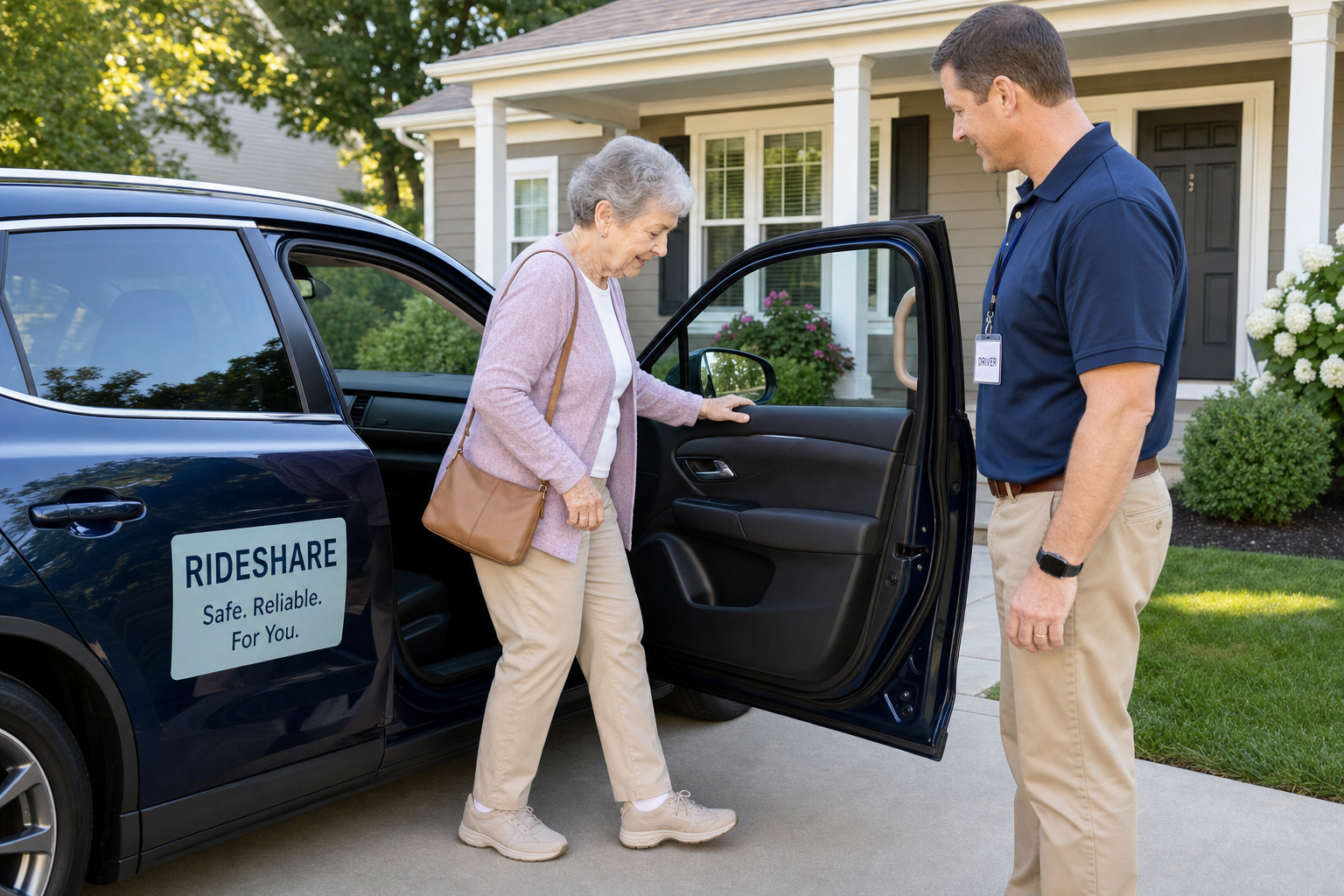
Losing the ability to drive changes daily life in ways that are both practical and immediate. Transportation Options After Driving becomes a critical topic because mobility is directly tied to independence, safety, and quality of life. When driving is no longer safe, every trip must be rethought, from grocery shopping to medical appointments.
This transition often happens gradually, but the risks escalate quickly when reaction time, vision, or cognitive processing declines. The goal is not simply to stop driving. The goal is to replace it with systems that are safer, more reliable, and more sustainable over time.
A structured approach prevents isolation, missed appointments, and unsafe improvisation. With the right planning, mobility can remain consistent and predictable.
Evaluating Transportation Options After Driving Based on Physical Mobility
Transportation Options After Driving must begin with a clear understanding of how easily a person can enter, exit, and tolerate different vehicles.
This is not theoretical. It is a physical interaction that determines whether a solution works or fails.
Some individuals can step into a sedan with minimal support, while others require higher seats, stable handholds, or assistive devices. Ignoring these differences leads to unsafe transfers and an increased risk of falls.
Start by observing actual movement patterns:
• Test entry and exit from low and high vehicles
• Identify whether balance is steady when stepping up or down
• Check if hand support is required when sitting or standing
• Evaluate tolerance for longer rides without repositioning
• Assess ability to manage doors, seatbelts, and turning motions
Matching transportation type to physical ability prevents injuries before they occur.
Family And Caregiver Transportation Planning
Transportation Options After Driving often depend heavily on informal support systems.
Family members and caregivers become part of the transportation network, whether planned or not. Without structure, this quickly becomes inconsistent and stressful.
A predictable schedule is more effective than last-minute arrangements. Regular rides for groceries, medical visits, and social engagement should be planned in advance.
Key coordination steps include:
• Assign specific days for routine trips
• Establish backup drivers for missed availability
• Create a shared calendar visible to all involved
• Plan for longer appointments that may require waiting time
• Define clear pickup and drop-off procedures
Consistency reduces confusion and eliminates unnecessary risk.
Public Transportation Accessibility And Limitations
Transportation Options After Driving frequently include public systems such as buses or local transit routes. While these can be useful, they introduce environmental risks that must be evaluated carefully.
Walking to stops, navigating steps, and standing during transit can create fall hazards. Weather exposure and timing constraints also affect reliability.
Evaluate the system realistically:
• Measure walking distance to the nearest stop
• Check for benches or shelters at waiting areas
• Confirm whether routes run at the needed times
• Test boarding height and stability during entry
• Observe crowd levels and available seating
Public transportation works best when routes are simple and predictable.
How to Prevent Falls in the Home
Ride Services And On-Demand Transportation Safety
Transportation Options After Driving now include app-based ride services and local driver programs. These offer flexibility, but safety depends on how they are used.
The biggest risks occur during entry and exit, not during the ride itself. Poor lighting, uneven surfaces, and rushed transitions create avoidable hazards.
Improve safety with controlled routines:
• Request pickup in well-lit, flat areas
• Avoid stepping off curbs when entering vehicles
• Confirm vehicle type before exiting the home
• Take time when sitting and securing seatbelts
• Wait for the vehicle to fully stop before moving
Structured habits reduce the risk of falls and confusion.
Medical Transportation And Specialized Services
Transportation Options After Driving must include reliable access to healthcare. Missing appointments due to transportation issues leads to rapid health decline.
Many areas offer medical transport services designed for individuals with mobility challenges. These often include assistance with entry, exit, and navigation.
When evaluating options, focus on:
• Door-to-door versus curbside service
• Assistance provided during transfers
• Scheduling requirements and lead times
• Reliability for recurring appointments
• Availability for urgent or last-minute needs
Medical transportation should be treated as essential infrastructure, not optional support.
https://www.cms.gov/medicare/medicaid-coordination/states/non-emergency-medical-transportation
Walking, Mobility Devices, And Short-Distance Travel
Transportation Options After Driving sometimes shift toward walking or mobility aids for nearby tasks. This works only if the environment is safe and distances are realistic.
Sidewalk conditions, lighting, and terrain all influence whether this is viable. Even short trips can become hazardous without proper planning.
Improve short-distance safety by focusing on:
• Inspecting sidewalks for cracks and uneven surfaces
• Using mobility aids that match current ability
• Wearing stable footwear with non-slip soles
• Avoiding travel during low-light conditions
• Planning rest points along the route
Small adjustments can make short-distance travel practical and safe.
Building A Weekly Transportation System
Transportation Options After Driving become sustainable only when they are organized into a repeatable system. Random trips create stress and increase the chance of missed needs.
A weekly structure ensures all essential activities are covered without overlap or gaps.
Build a functional schedule:
• Assign fixed days for groceries, errands, and appointments
• Coordinate transportation types based on distance and need
• Include buffer time for delays or cancellations
• Review and adjust the schedule monthly
• Keep a visible written or printed plan in the home
A system eliminates uncertainty and improves long-term adherence.
Maintaining Independence Without Driving
Transportation Options After Driving are ultimately about preserving independence through safer alternatives. The goal is not to replicate driving, but to replace it with something more reliable and controlled.
Independence is maintained when systems are consistent, accessible, and easy to follow. Complexity creates failure points that lead to isolation or risk-taking behavior.
Focus on practical control:
• Use simple, repeatable transportation methods
• Avoid over-reliance on a single option
• Keep contact information for all services easily accessible
• Regularly reassess physical ability and transportation fit
• Adjust plans before problems develop
Mobility does not end when driving stops. It changes form, and that change must be managed deliberately.
_____________________________________________________________________________________________________
Get clear, practical insights on aging in place sent occasionally, and only when useful.
No spam. No noise. Unsubscribe anytime.
______________________________________________________________________________________________________