Medication Side Effects And Fall Risk
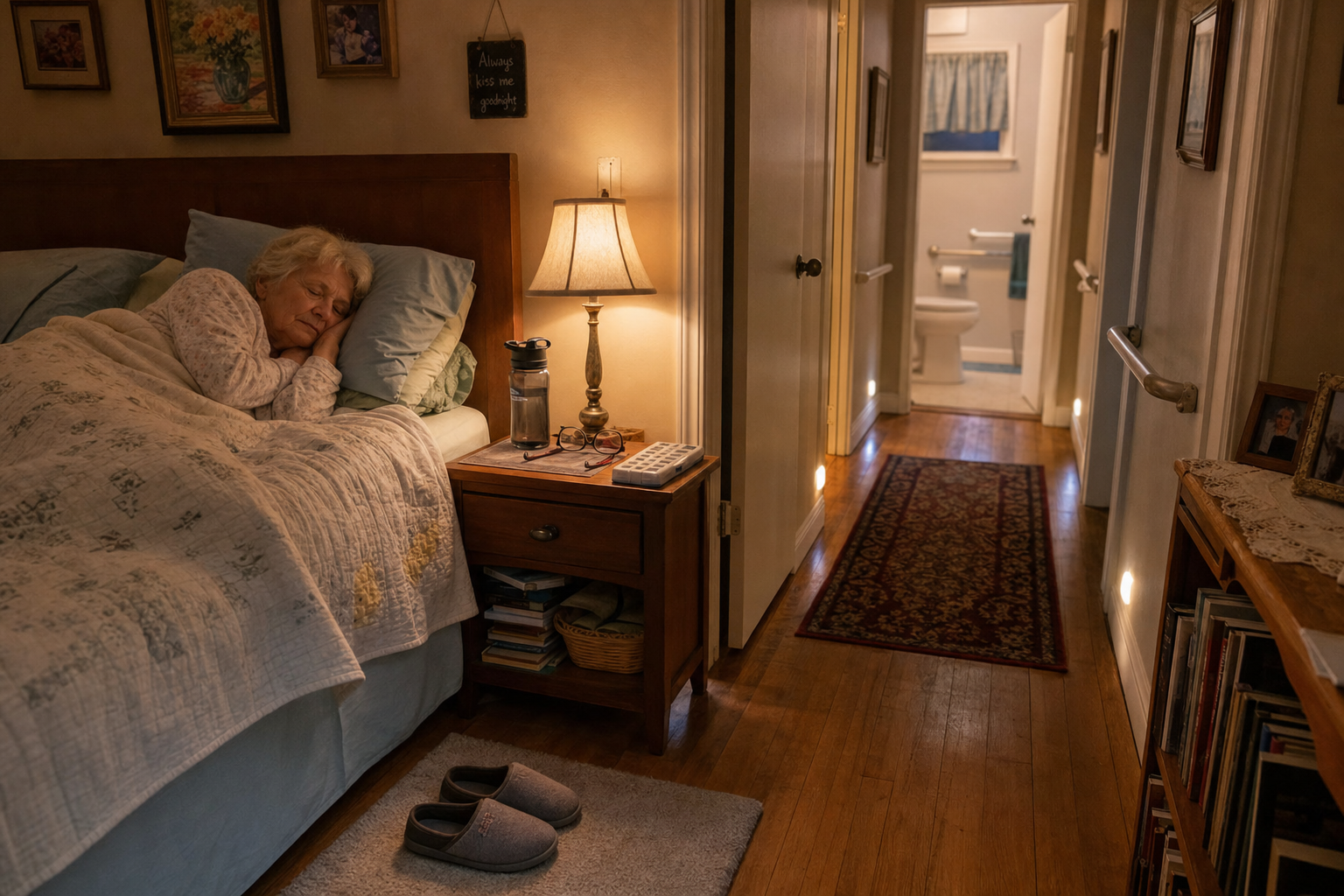
Medication Side Effects And Fall Risk is a practical home safety issue because some medicines can change balance, alertness, vision, hydration, bathroom habits, or reaction time. The risk is not limited to one room or one activity. It can show up while standing from a chair, walking to the bathroom at night, carrying laundry, using stairs, or reaching into a cabinet.
The goal is not to create fear around medication. The goal is to notice how daily routines change after a new medicine, a dose change, or a different timing schedule. Most useful prevention begins with simple observations, safer movement habits, better lighting, clear walking paths, and affordable changes that make the home easier to use.
Medication safety also belongs in the same conversation as fall prevention. A pill organizer may help, but it is only one part of the picture. The home also needs to support slower movement, occasional dizziness, nighttime urgency, and the reality that a person may not feel the same at 2 a.m. as they do at noon.
Medication Side Effects And Fall Risk Often Starts With Balance And Pathway Hazards
Balance changes become more dangerous when the walking path is not forgiving. A person who feels slightly lightheaded may still move safely in a clear hallway, but the same person may fall if they must step around shoes, baskets, cords, pet bowls, or a narrow arrangement of furniture.
Medication Side Effects And Fall Risk often becomes visible during ordinary movement. Watch what happens when the person stands up, turns, pauses, or changes direction. A small sway after rising from a recliner may not look serious until it happens near a coffee table, loose rug, or doorway threshold.
Practical actions include:
- Clear a direct walking path from the bed to the bathroom.
- Move small tables out of turning areas near chairs and sofas.
- Remove loose rugs from hallways and high-traffic rooms.
- Keep shoes, slippers, and pet items out of nighttime walking routes.
- Add a stable chair near areas where the person often pauses.
- Keep frequently used items between waist and shoulder height.
The safest home layout gives the person room to move imperfectly. That matters because the effects of medication are not always predictable. The person may be steady most of the day and still have a brief period of dizziness after a dose, after standing quickly, or after getting up during the night.
Dizziness After Standing Needs A Slower Home Routine
Dizziness after standing is one of the most common practical warning signs that should be taken seriously. It may happen after blood pressure medication, dehydration, poor sleep, missed meals, or a change in medication timing. The exact cause should be discussed with the appropriate prescriber, but the home response should begin immediately.
A slower standing routine is inexpensive and often effective. The person should not be expected to jump up and walk across the room the way they did years earlier. Build pauses into the day so that standing, turning, and walking are separate movements rather than one rushed action.
Useful changes include:
- Sit on the edge of the bed before standing.
- Stand still for a few seconds before walking.
- Keep a lamp within easy reach of the bed.
- Place a sturdy chair near the most-used doorway.
- Avoid carrying laundry or drinks immediately after rising.
- Keep a clear surface nearby for setting items down.
Medication Side Effects And Fall Risk increases when the person tries to move before their body has adjusted. A practical routine gives the body a moment to catch up before the person crosses the room, enters the bathroom, or starts down a hallway.
Nighttime Bathroom Trips Can Turn Mild Side Effects Into Fall Hazards
Nighttime bathroom trips deserve special attention because several risks happen at once. The person may be sleepy, the room may be dark, urgency may increase speed, and medication may contribute to dizziness, confusion, or more frequent urination.
The path from bed to bathroom should be treated like a safety route, not just a normal hallway. The route needs light, space, stable surfaces, and no surprises underfoot. This is especially important when medication timing leads to more nighttime trips.
Make the route safer by doing these specific things:
- Use soft night lights from the bedroom to the bathroom.
- Move laundry baskets away from the bed path.
- Keep slippers beside the bed, not across the room.
- Remove throw rugs near the toilet and sink.
- Keep the bathroom door partly open at night.
- Place toilet paper and hygiene supplies within easy reach.
Medication Side Effects And Fall Risk may rise when sleep aids, bladder medications, diuretics, pain medicines, or blood pressure medicines affect nighttime movement. The home should assume that the person may be groggy, rushed, or less coordinated after waking.
Sleep Aids And Grogginess Require Morning Safety Adjustments
Sleep aids can affect the next morning, not just the night before. A person may wake up feeling alert enough to start moving, but their balance, reaction time, or judgment may still be slower than usual. This creates a risk during the first bathroom trip, the first kitchen trip, or the first attempt to get dressed.
Morning routines should be set up to avoid rushing. The first hour of the day is not the best time to carry full laundry baskets, climb onto step stools, bend into low cabinets, or walk across a dim room with both hands full.
A safer morning routine may include:
- Turn on a bedside lamp before standing.
- Sit briefly before walking to the bathroom.
- Put glasses on before crossing the room.
- Use stable footwear before leaving the bedroom.
- Keep morning medicines and water on a steady surface.
- Delay showering until fully awake and steady.
Medication Side Effects And Fall Risk can be reduced by moving demanding tasks later in the day. This is not a loss of independence. It is a smarter schedule. A person can still do many things independently when higher-risk tasks are matched to the time of day when balance and alertness are strongest.
Dehydration And Timing Problems Can Make Walking Less Steady
Dehydration can quietly affect balance, energy, and concentration. Some people drink less to avoid bathroom trips. Others forget to drink enough when routines change. Some medications may also affect fluid balance, bathroom frequency, or dry mouth.
The practical home response is to make hydration easier without creating clutter or spill hazards. Water should be available in stable places, but not scattered across walking paths or perched on crowded tables. The goal is steady access without turning the home into an obstacle course.
Specific steps can help:
- Keep a filled water bottle near the main sitting area.
- Use a sturdy cup with a lid near the bed.
- Place drinks on solid side tables, not tray tables.
- Avoid leaving cups on the floor near chairs.
- Keep a small towel nearby for minor spills.
- Track whether dizziness is worse after skipping fluids.
Medication timing also matters. A medicine taken before bed may affect nighttime walking. A medicine taken before breakfast may affect the first trip to the kitchen. Families should observe patterns and write them down before discussing changes with a prescriber.
Medication Management for Seniors
Medication Reviews Should Focus On What Happens At Home
A medication review is most useful when it includes real home observations. A list of prescriptions is helpful, but it does not show what happens when the person stands from a recliner, wakes at night, walks to the bathroom, or tries to prepare breakfast while lightheaded.
Families can keep the process simple. Write down what changed, when it changed, and what movement became harder. Avoid vague notes like “less steady.” Better notes include “held the wall after standing from the sofa,” “almost tripped on the way to the bathroom at 3 a.m.,” or “felt dizzy after morning pills before breakfast.”
Useful observations include:
- The time dizziness happens.
- The room where near-falls occur.
- Whether symptoms follow a dose change.
- Whether symptoms are worse after poor sleep.
- Whether bathroom trips increased at night.
- Whether the person is using furniture for balance.
Do not stop or change prescribed medication without appropriate guidance. The practical step is to bring clear, specific observations to the prescriber or pharmacist so the conversation is based on daily function rather than guesswork.
https://medlineplus.gov/ency/patientinstructions/000021.htm
Storage, Labels, And Lighting Help Prevent Mistakes
Medication organization affects fall risk because mistakes can change how a person feels and moves. A missed dose, a doubled dose, a wrong-time dose, or confusion between similar bottles can quickly create a bad day. The solution does not need to be expensive, but it does need to be visible and consistent.
Storage should happen in one reliable place with good light. Avoid storing daily medicine in several rooms unless there is a very clear reason. Cluttered counters, dim bedrooms, and crowded bathroom cabinets can increase the likelihood of errors.
Practical improvements include:
- Use one weekly pill organizer for routine medicines.
- Keep the organizer on a stable, well-lit surface.
- Separate current medicines from old or discontinued bottles.
- Use large-print labels when possible.
- Store nighttime items away from morning-only items.
- Keep a written medication list near the organizer.
Medication Side Effects and Fall Risk become harder to manage when no one knows whether the medication was taken correctly. A simple system makes patterns easier to see. It also helps adult children notice changes without taking over every part of the parent’s routine.
A Safer Home Makes Medication Changes Easier To Manage
A safer home gives people more margin when medication changes affect balance, sleep, bathroom habits, or alertness. The goal is not to predict every side effect. The goal is to make the home less punishing during an unsteady moment.
Focus on the places where movement actually happens. Chairs should be easy to rise from. Walking paths should be wide enough for slow turns. Lighting should support real nighttime movement. Floors should not require perfect balance. Everyday items should be placed where reaching, bending, and twisting are minimized.
Medication Side Effects And Fall Risk fits directly into aging in place and fall prevention because medication effects often show up during ordinary household movement. Aging in Place Checklist can help connect medication awareness with safer rooms, clearer paths, better lighting, and practical routines. The best prevention is usually a set of small changes that work together.
Useful final actions include:
- Watch the first few days after any medication change.
- Clear the main walking routes before symptoms appear.
- Move frequently used items to easier locations.
- Improve lighting before nighttime problems increase.
- Write down near-falls instead of relying on memory.
- Adjust the home before independence becomes harder to maintain.
_____________________________________________________________________________________________________
Get clear, practical insights on aging in place sent occasionally, and only when useful.
No spam. No noise. Unsubscribe anytime.
______________________________________________________________________________________________________