Aging in Place Financial Planning
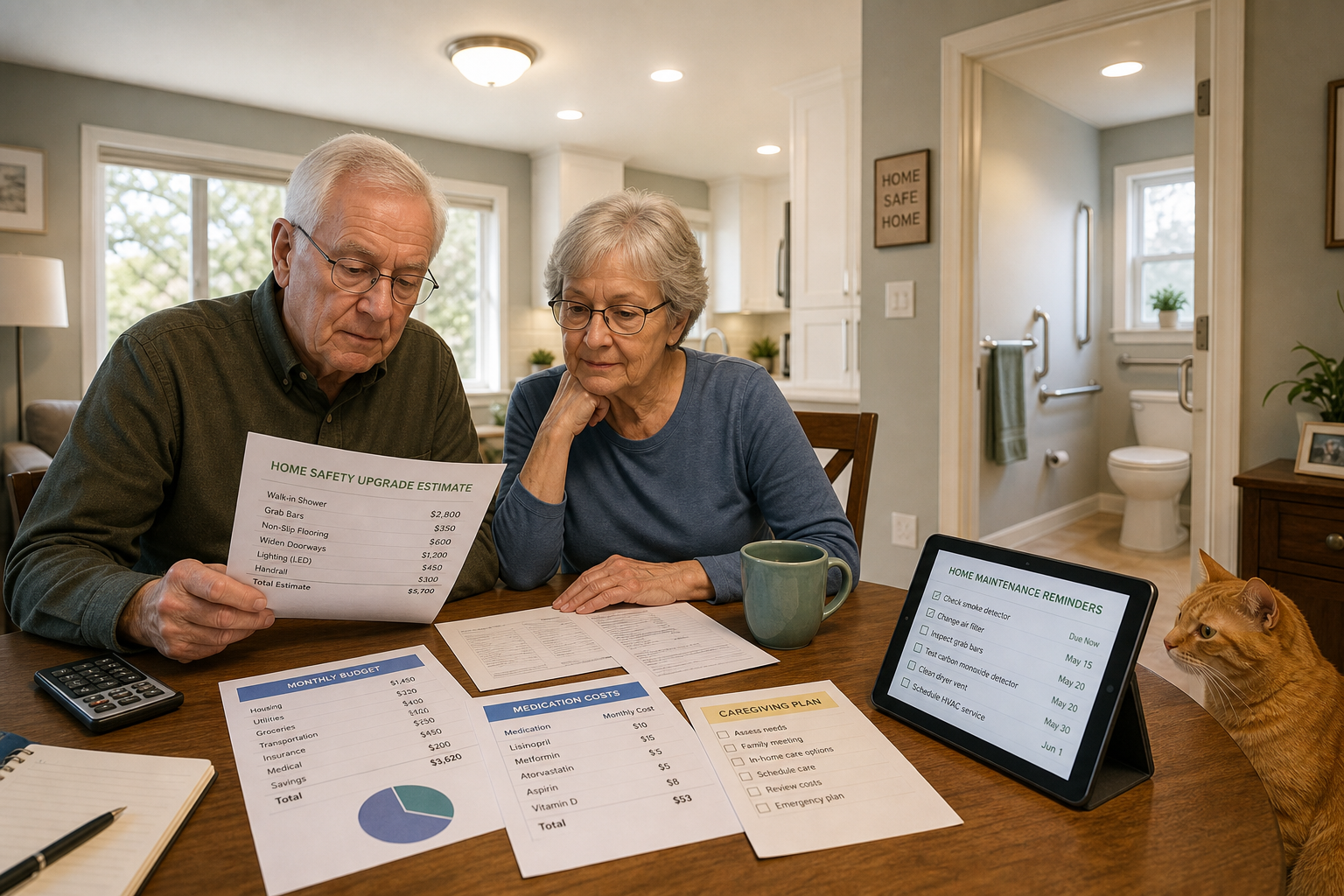
Aging in Place Financial Planning helps families prepare for the real-world costs of remaining safely and independently at home as they grow older. Many people underestimate how quickly home modifications, transportation needs, caregiving support, medication costs, and mobility equipment can affect long-term financial stability.
Planning ahead reduces the likelihood of rushed decisions during a health crisis or mobility decline. A safer home environment often requires gradual upgrades, and those upgrades are easier to manage when they are prioritized early rather than delayed until an emergency occurs.
Financial planning for aging in place is not only about retirement savings. It also involves understanding how the home functions physically, identifying future risks, and creating realistic strategies that support safety, independence, and daily living over time.
Budgeting For Aging in Place Financial Planning
Aging in Place Financial Planning begins with understanding how the home environment will affect future spending. Many homes require adjustments that are not obvious until mobility, balance, vision, or endurance begin to change. Creating a structured budget early allows homeowners and caregivers to prepare gradually rather than reacting under pressure.
A useful starting point is identifying predictable household risks and estimating what improvements may cost over the next five to ten years. This process helps prioritize safety upgrades before injuries or medical emergencies force expensive changes.
Important budget categories often include:
- Bathroom grab bars and safer flooring
- Improved lighting in hallways and stairways
- Medication management systems
- Transportation alternatives after driving becomes difficult
- Entryway railings or ramps
- Emergency alert systems
It is also important to review recurring monthly costs that may increase with age, including utilities, meal delivery services, housekeeping assistance, or prescription expenses. Small recurring costs can compound quickly when added to existing retirement obligations.
Many families benefit from maintaining a dedicated aging-in-place reserve fund separate from ordinary emergency savings. This makes it easier to track future safety-related spending without disrupting broader retirement goals.
Understanding Home Modification Costs
Home modification expenses vary significantly depending on the layout, age, and condition of the property. Some upgrades are inexpensive and highly effective, while others require larger structural changes. Aging in Place Financial Planning becomes more practical when homeowners understand which improvements provide the greatest long-term value.
Basic safety improvements are often affordable when completed early. Delaying them can increase costs later if emergency remodeling becomes necessary after a fall or hospitalization.
Common home modification priorities include:
- Installing grab bars near toilets and showers
- Replacing loose rugs with stable flooring
- Adding brighter LED lighting in walking paths
- Improving stair rail stability
- Widening doorways for walkers or wheelchairs
- Lowering trip hazards at thresholds
Larger renovations may involve bathroom redesigns, first-floor bedroom conversions, walk-in showers, or exterior ramps. These projects can become costly if structural work is required.
Some homeowners choose to complete modifications gradually over several years rather than financing large renovations all at once. This approach allows better control over cash flow and often reduces financial strain.
Preparing For Caregiving And Support Expenses
Caregiving costs are frequently underestimated because support needs often develop gradually. A person may first require occasional transportation help or meal preparation assistance before eventually needing regular supervision or mobility support. Aging in Place Financial Planning should account for both short-term and long-term caregiving possibilities.
Even family caregivers may face indirect financial strain through reduced work hours, transportation costs, or increased household responsibilities. Planning for these realities early helps prevent instability later.
Important caregiving expense categories include:
- Part-time in-home assistance
- Transportation services
- Medication organization support
- Respite care for family caregivers
- Meal delivery programs
- Mobility equipment rentals
Households should also evaluate whether the current home layout can realistically support caregiving activities. Narrow hallways, steep stairs, and inaccessible bathrooms can increase physical strain on both caregivers and residents.
Written financial planning documents can help families assign responsibilities clearly and reduce confusion during emergencies. Organizing insurance information, account access, and recurring payment schedules in advance can also simplify caregiving transitions.
How to Prevent Falls in the Home
Managing Retirement Income And Monthly Cash Flow
Stable monthly cash flow is one of the most important elements of long-term independence. Aging in Place Financial Planning requires careful review of income sources, recurring obligations, and future safety-related expenses that may not exist yet.
Many retirees focus primarily on housing payments and overlook maintenance, accessibility upgrades, and rising healthcare costs. A realistic monthly budget should include both current needs and projected aging-related expenses.
Useful financial review areas include:
- Mortgage or rent obligations
- Insurance premiums
- Utility fluctuations
- Prescription medication costs
- Transportation alternatives
- Home maintenance reserves
Some homeowners benefit from simplifying finances before major aging-related challenges occur. Reducing debt, consolidating accounts, and automating recurring payments can make long-term management easier.
It is also important to evaluate whether current spending patterns align with future accessibility needs. Delaying nonessential luxury purchases may create greater flexibility for important safety improvements later.
Financial discussions should include all major household decision-makers whenever possible. Shared understanding reduces confusion during periods of illness, hospitalization, or cognitive decline.
Aging in Place Home Safety Assessment
Protecting The Home From Financial Neglect
Financial neglect can affect the physical safety of the home over time. Deferred maintenance often creates direct injury risks that increase with age. Aging in Place Financial Planning should therefore include routine inspection schedules and maintenance reserves.
Minor repair problems can gradually become major safety hazards if ignored for too long. Loose railings, poor lighting, damaged flooring, and unstable entryways are common examples.
High-priority maintenance concerns include:
- Uneven sidewalks and walkways
- Water leaks that create slippery flooring
- Loose handrails
- Broken outdoor lighting
- Unsafe electrical cords
- Worn carpeting near stairs
Some homeowners delay maintenance because they fear large repair costs. However, preventive repairs are usually far less expensive than hospitalization, rehabilitation, or emergency remodeling after a serious injury.
Creating a yearly home safety maintenance calendar can improve consistency. Seasonal inspections often help identify problems before they become dangerous.
Family members should also discuss who will coordinate repairs if mobility limitations increase later. Clear planning reduces delays when action becomes necessary.
Understanding Public Benefits And Community Resources
Government programs and community organizations may help offset some aging-related expenses, but many families fail to research these options until after a crisis develops. Aging in Place Financial Planning becomes stronger when available support systems are identified early.
Local programs may assist with transportation, meal delivery, caregiver support, home modification grants, or utility assistance. Eligibility requirements vary by location and income level.
Potential support resources may include:
- Area Agencies on Aging
- Veteran assistance programs
- Community transportation systems
- Nonprofit caregiver organizations
- Utility assistance programs
- Fall prevention education programs
It is useful to maintain written records of program contact information, eligibility requirements, and renewal deadlines. Organized records help simplify future applications and reduce missed opportunities.
Public resources should not replace personal financial preparation, but they can help reduce pressure on fixed retirement incomes when combined with proactive planning.
For additional home safety guidance, review this MedlinePlus resource:
https://medlineplus.gov/ency/patientinstructions/000954.htm
Planning For Future Mobility Changes
Mobility changes often occur gradually, which gives households time to prepare if they recognize early warning signs. Aging in Place Financial Planning should include realistic consideration of future walking limitations, balance problems, reduced endurance, and transportation challenges.
The financial impact of mobility decline can extend far beyond medical costs. Home layout changes, transportation alternatives, and caregiver support can significantly affect long-term budgets.
Common mobility-related planning areas include:
- Converting tubs into walk-in showers
- Installing stair rail reinforcements
- Improving nighttime lighting
- Purchasing mobility aids
- Creating safer bathroom access
- Rearranging furniture for walker clearance
Transportation planning is especially important. Many older adults eventually reduce or stop driving, which can create unexpected ongoing expenses for rideshare services, public transportation, or caregiver transportation support.
Families should also evaluate whether the current home location remains practical for long-term independence. Homes far from healthcare services, grocery stores, or family support may create greater financial and logistical strain later.
Building A Long-Term Prevention Strategy
A long-term prevention strategy is often more financially effective than reacting to emergencies after they occur. Aging in Place Financial Planning works best when safety, budgeting, maintenance, and mobility planning are treated as connected systems rather than isolated decisions.
Preventive planning helps reduce the likelihood of sudden financial disruption caused by falls, hospitalizations, emergency renovations, or caregiver burnout. Small adjustments made consistently over time are usually easier to manage than large crisis-driven changes.
Practical prevention habits include:
- Reviewing home safety conditions every six months
- Updating emergency contact information regularly
- Tracking recurring healthcare expenses
- Inspecting walking paths for trip hazards
- Monitoring lighting quality throughout the home
- Reassessing transportation plans yearly
System Context: Aging in place requires both physical safety planning and realistic financial preparation. This page supports the broader structure of AgingInPlaceResource.com by helping readers connect budgeting decisions with fall prevention, home safety, and long-term independence strategies. Many readers also benefit from reviewing the Aging in Place Checklist while evaluating future home and caregiving expenses.
_____________________________________________________________________________________________________
Get clear, practical insights on aging in place sent occasionally, and only when useful.
No spam. No noise. Unsubscribe anytime.
______________________________________________________________________________________________________